How to Propagate Rocky Mountain Bristlecone Pine?
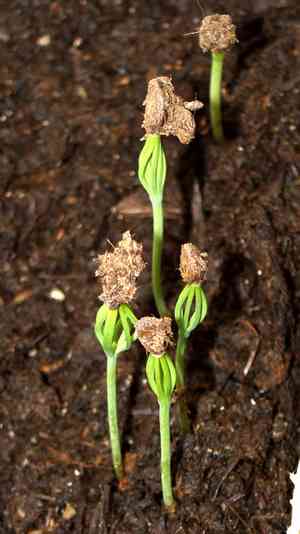
The Rocky Mountain Bristlecone Pine is celebrated for its extended lifespan and resilience. To achieve successful propagation, employing semi-hardwood cuttings proves most efficient. It is essential to choose robust, pathogen-free source material. Apply a rooting stimulant to foster root growth and embed the cuttings in a porous soil blend, guaranteeing sufficient hydration and consistent warmth. A sheltered setting, such as a greenhouse, can boost rooting rates. Perseverance is vital, as the rooting process can be protracted.
Optimal Time for Rocky Mountain Bristlecone Pine Propagation
Propagation Type
Cutting
Propagation Season
Autumn,Winter
Tools for Rocky Mountain Bristlecone Pine Propagation
Sharp pruning shears
These are vital for obtaining healthy, clean cuttings from rocky Mountain Bristlecone Pine. Sharp blades ensure a precise cut, minimizing harm to the parent plant and boosting the cuttingâs rooting potential. Damage from dull blades can lead to infections, which is detrimental to both the cutting and the parent plant.
Rooting hormone powder
This assists in stimulating root development from rocky Mountain Bristlecone Pine cuttings. By dipping the cut end of the cutting into the hormone, you improve rooting success, which is crucial for rocky Mountain Bristlecone Pine due to its specific growth needs and slower rooting process.
Sterilized potting mix
A key element for planting the cuttings. A pathogen-free mix ensures that the new roots of rocky Mountain Bristlecone Pine will not be attacked by soil-borne diseases. This mix should offer good drainage while retaining sufficient moisture to support root growth without waterlogging, which can be critical for rocky Mountain Bristlecone Pine, known for its preference for well-drained soils.
Propagation tray with dome
These trays create an ideal setting for rooting cuttings by maintaining high humidity around rocky Mountain Bristlecone Pine. The clear dome allows light to reach the cuttings while keeping humidity high and consistent, which is vital for the successful rooting of rocky Mountain Bristlecone Pine.
Heat mat
Used to maintain an optimal and consistent soil temperature, which is crucial for the rooting of rocky Mountain Bristlecone Pine's cuttings. This is especially important as rocky Mountain Bristlecone Pine may require warmer soil conditions to initiate root growth effectively.
Misting bottle
Used to gently provide moisture to the cuttings without disturbing their placement in the soil. Regular misting helps to keep the air around rocky Mountain Bristlecone Pine humid, which is essential for preventing the drying out of delicate new roots and shoots.
How to Propagate Rocky Mountain Bristlecone Pine?
Propagation Type
Moderately Difficult
Caring for Your Newly Propagated Rocky Mountain Bristlecone Pine
Caring for Your Newly Propagated Rocky Mountain Bristlecone Pine
After successful propagation, rocky Mountain Bristlecone Pine needs well-drained soil, consistent watering to keep the soil moist but not waterlogged, and full sun to partial shade exposure. Protect the young rocky Mountain Bristlecone Pine from extreme temperatures and winds. As an alpine plant, rocky Mountain Bristlecone Pine is accustomed to particular conditions, thus, select a suitable outdoor location that mimics its natural habitat for best growth results. Nutrient needs can be met with a balanced fertilizer applied as per label instructions during the growing season.
Common Mistakes to Avoid When Propagating Rocky Mountain Bristlecone Pine
Overwatering
Excessive watering can lead to root rot in rocky Mountain Bristlecone Pine, which thrives in well-drained soil conditions. Too much water restricts essential air flow to the roots, potentially causing fungal infections and plant death.
Using non-acidic soil
Rocky Mountain Bristlecone Pine requires acidic soil to thrive. Planting in alkaline or non-acidic soil can hinder nutrient uptake and weaken the plant.
Inadequate stratification
Rocky Mountain Bristlecone Pine seeds usually require a cold stratification period to break dormancy. Skipping this step may result in very low germination rates.
Planting depth
Seeds or cuttings planted too deeply can struggle to emerge or root. Inadequate planting depth could also expose seeds to birds and other predators, leading to loss of propagation material.
Ignoring mycorrhizal relationships
Rocky Mountain Bristlecone Pine forms symbiotic relationships with mycorrhizal fungi. Not incorporating such fungi can impact the plantâs nutrient absorption and overall health.
Tips For Propagating Rocky Mountain Bristlecone Pine
Appropriate watering
Ensure rocky Mountain Bristlecone Pine is watered appropriately; the soil should be allowed to dry out between waterings to avoid waterlogging, which is detrimental to the plantâs health.
Acidic soil preparation
Plant rocky Mountain Bristlecone Pine in acidic soil to provide an optimal environment for nutrient uptake and growth.
Cold stratification
Mimic rocky Mountain Bristlecone Pine's natural environment by using cold stratification for seeds. This will greatly increase the chances of successful germination.
Proper planting depth
Plant seeds or cuttings at the recommended depth to prevent desiccation and provide protection from environmental stressors.
Incorporate mycorrhizal fungi
Utilize mycorrhizal fungi when planting rocky Mountain Bristlecone Pine to encourage a healthy root system and improve nutrient and water uptake.



