How to Propagate Anise burnet saxifrage?
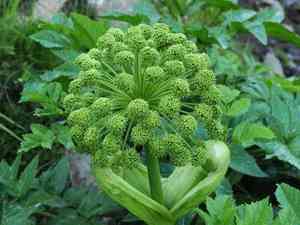
The most effective method for propagating Anise burnet saxifrage is by seeding. To achieve successful growth, utilize recently collected seeds because their ability to germinate diminishes rapidly. Plant them directly into damp, adequately draining earth in a sun-exposed spot. Gently layer a thin covering of soil over the seeds to ensure proper contact, while still permitting light, which is crucial for sprouting. Ensure continuous dampness throughout the germination phase. Reduce the number of young plants to avoid excessive density, which could impede their development.
Optimal Period for Anise Burnet Saxifrage Propagation?
Propagation Method
Seeding
Propagation Period
Spring
Essential Tools for Anise Burnet Saxifrage Propagation?
Seed trays
Seed trays are crucial for initiating anise burnet saxifrage from seeds. They facilitate uniform growing conditions and efficient space utilization. These trays help maintain consistent moisture and temperature, vital for anise burnet saxifrage germination.
High-quality seed starting mix
Employing a sterile, nutrient-rich seed starting mix aids in healthy root development and reduces the risk of soil-borne illnesses. This is especially important for anise burnet saxifrage, as it promotes optimal seed germination and early seedling vigor.
Misting bottle or spray system
These instruments are used to gently irrigate anise burnet saxifrage seeds without disturbing them. A fine, even mist helps keep the soil damp, which is crucial for germination without causing soil compaction or washing away seeds.
Grow lights or a sunny window
Anise burnet saxifrage needs sufficient light for germination and growth. Grow lights can provide consistent and appropriate light exposure, essential during periods of low natural sunlight, ensuring even seedling development.
Heating mats
Especially when propagating anise burnet saxifrage in cooler climates, heating mats can be vital. They maintain a steady soil temperature, encouraging faster and more dependable germination.
Labeling materials
Labels enable tracking of sowing dates and varieties of anise burnet saxifrage. Proper labeling can assist in monitoring growth progress and accurately implementing care schedules.
How to Propagate Anise Burnet Saxifrage?
Propagation Type
Simple
How to Nurture Your Newly Propagated Anise Burnet Saxifrage?
How to Nurture Your Newly Propagated Anise Burnet Saxifrage?
Post-propagation, continue to provide anise burnet saxifrage with regular irrigation, ensuring the soil stays moist but not waterlogged. Fertilize sparingly with an organic feed during the growing season to encourage robust growth. Shield the plants from strong winds and extreme temperatures by adding a layer of mulch around the base to insulate the soil and retain moisture. Periodically check for pests and diseases and address them promptly to maintain plant health.
Common Errors to Avoid When Propagating Anise Burnet Saxifrage
Inappropriate Soil Selection
Using dense or clay-rich soil can hinder root growth and water drainage, leading to root rot or stunted development.
Incorrect Watering
Both excessive and insufficient watering can be harmful; overwatering may cause root rot, while underwatering can dehydrate young plants.
Insufficient Lighting
Placing the plant in inadequate light can result in weak, elongated growth as the plant stretches for more illumination.
Seed Spacing
Planting seeds too close together can lead to overcrowding, competition for nutrients, and poor air circulation, fostering disease.
Depth of Sowing
Sowing seeds too deeply can prevent germination, while sowing them too shallow can cause them to dry out rapidly.
Advice for Propagating Anise Burnet Saxifrage
Utilize Well-Draining Soil
Choose a light, well-draining soil mix to ensure proper root aeration and prevent waterlogging.
Monitor Watering
Ensure the soil remains consistently damp but not saturated. Check moisture levels regularly and adjust irrigation as needed.
Provide Ample Light
Position seedlings in an area with abundant indirect sunlight to promote healthy, vigorous growth.
Proper Seed Spacing
Space seeds or seedlings appropriately to minimize competition and ensure good airflow. Adhere to recommended spacing guidelines.
Correct Sowing Depth
Plant seeds at the suitable depth, typically around 1/4 inch, to maximize their chances of germinating and accessing moisture.



