How to Propagate Creeping charlie?
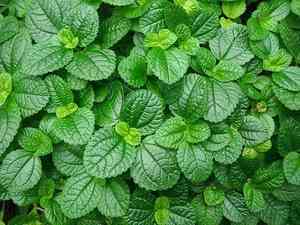
Glechoma hederacea, a rapidly expanding, evergreen perennial, is recognized for its spreading nature and appealing circular, verdant foliage. To multiply Glechoma hederacea, obtain stem sections that encompass multiple leaf junctions. Permit the severed end to air-dry briefly prior to embedding it in adequately draining substrate. Verify that the substrate remains damp yet not oversaturated. Root systems generally emerge within a couple of weeks. Employing a rooting stimulant can elevate the successful establishment of cuttings. Careful manipulation and consistent environmental factors will foster robust root formation. Upon establishment, Glechoma hederacea demands little upkeep and will readily expand, populating areas with its dense greenery.
Optimal Period for Creeping Charlie Propagation
Propagation Type
Cutting
Propagation Season
Spring,Summer
Tools for Creeping Charlie Propagation
Sharp pruning shears or scissors
Sharp pruning shears or scissors are vital for obtaining clean, precise cuttings from creeping charlie. A clean cut prevents harm to the parent plant and promotes faster healing and rooting in the cuttings. These instruments are crucial for minimizing infection risk and ensuring the well-being of both new and mature plants.
Rooting hormone
Rooting hormone aids in root formation on the cut stem of creeping charlie, boosting the likelihood of successful propagation. It stimulates root development at the cut site, which is essential for the survival and establishment of new plants. Applying a rooting hormone can significantly improve the rooting speed and success rate of the propagules.
Potting mix
A well-draining, nutrient-rich potting mix offers the ideal setting for creeping charlie cuttings to develop roots. The mix should be light and airy to encourage oxygenation, crucial for root development and overall plant health. An appropriate potting mix also retains adequate moisture without becoming waterlogged, vital for preventing root rot in new cuttings.
Propagation trays or small pots
Propagation trays or small pots are utilized to hold the potting mix and support the new cuttings. They should feature proper drainage and be suitably sized to accommodate multiple cuttings. This arrangement helps manage the environmental conditions for creeping charlie, providing a controlled habitat that supports root and foliage growth during initial development.
Plastic covers or mini greenhouses
Plastic covers or mini greenhouses create a humid atmosphere around creeping charlie cuttings, enhancing moisture retention and preventing dehydration. This microenvironment is important for promoting root growth and can increase the cuttings’ survival rate, especially in dry conditions. The cover also helps maintain stable temperatures, shielding the cuttings from external stresses.
Propagating Creeping Charlie
Propagation Type
Easy
Caring for Your Newly Propagated Creeping Charlie
Caring for Your Newly Propagated Creeping Charlie
Post-propagation, gradually introduce the new creeping charlie plant to less humid conditions by progressively opening the plastic covering over a week. Water the soil when it feels dry to the touch, but avoid over-watering. Provide indirect light and moderate temperatures to encourage growth. Once established, regular pruning will help maintain its shape and promote denser foliage.
Common Errors to Avoid When Propagating Creeping Charlie
Overwatering cuttings
Excessive soil saturation can lead to root rot and fungal issues, impeding creeping charlie's ability to establish new roots.
Too much sunlight
Exposing creeping charlie cuttings to direct sunlight can cause them to dry out or suffer from leaf burn, hindering their growth.
Incorrect soil medium
Using soil that drains poorly or lacks aeration can prevent creeping charlie's roots from developing properly.
Cutting size
Taking cuttings that are either too small or too large can disrupt the balance between foliage and root development, affecting propagation success.
Neglecting humidity
Ignoring the need for a humid environment can cause creeping charlie cuttings to lose moisture too quickly, stressing the plant during root establishment.
Tips For Propagating Creeping Charlie
Adequate moisture
Maintain a consistently moist, but not waterlogged, environment to encourage root growth without causing decay.
Indirect light
Place creeping charlie cuttings in bright, indirect light to prevent damage while providing sufficient energy for growth.
Well-draining soil
Use a well-draining soil mix that retains moisture but allows excess water to escape, ensuring healthy root growth.
Proper cutting length
Select cuttings that are 4-6 inches long to maintain a balance between the plant's top growth and root development.
Humidity control
Cover the cuttings with a clear plastic dome or bag to create a humid microclimate that mimics creeping charlie's natural environment.



