How to Propagate Aluminum plant?
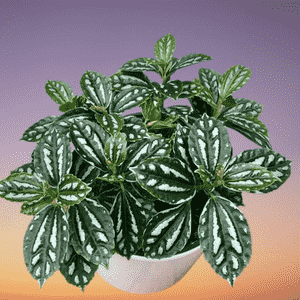
The Pilea cadierei multiplies readily from stem sections throughout the prime warm periods of spring and summer. Perseverance is crucial, as successful multiplication is indicated by the emergence of fresh roots and shoots. Ensure the cuttings remain damp and receive ample, diffused illumination.
Optimal Period for Aluminum Plant Propagation
Propagation Method
Cutting
Propagation Season
Spring, Summer
Essential Tools for Aluminum Plant Propagation
Sharp pruning shears or scissors
These are crucial for making precise cuts when taking stem cuttings from aluminum plant. A clean cut helps prevent damage to the parent plant and provides a smooth surface for the cutting to heal and develop roots.
Rooting hormone powder or gel
Rooting hormone encourages root development on aluminum plant cuttings. It can significantly boost the chances of successful rooting by stimulating the cutting to produce new root tissue more effectively.
Sterilizing solution (e.g., isopropyl alcohol or bleach solution)
Tools used in the propagation process must be disinfected to prevent the spread of disease. This is especially important for aluminum plant, as infections can hinder rooting and overall plant health.
Propagation tray or small pots with drainage holes
These offer a suitable environment for aluminum plant cuttings to establish roots. Proper drainage is vital to prevent waterlogging, which can lead to rot and impede the rooting process.
Well-draining potting mix or a propagation medium (e.g., perlite, vermiculite, or sphagnum moss)
These media provide adequate aeration and moisture retention, which supports the development of new roots for aluminum plant without retaining excessive water that could cause rot.
Plastic cover or propagation dome
This helps maintain high humidity around aluminum plant cuttings, which is beneficial for preventing moisture loss from the leaves while the new roots are forming.
Misting bottle
Regular misting can provide the necessary humidity for aluminum plant cuttings, especially if a propagation dome is not used. This tool allows for gentle water application without disturbing the delicate new roots.
Steps to Propagate Aluminum Plant
Propagation Type
Cutting
Difficulty Level
Easy
Caring for Your Newly Propagated Aluminum Plant
Caring for Your Newly Propagated Aluminum Plant?
Place the newly propagated aluminum plant in a spot with bright, indirect light and ensure the temperature stays consistent, between 65-75°F (18-24°C). Water when the top inch of soil feels dry, and fertilize monthly with a balanced, water-soluble fertilizer during the growing season. Maintain adequate humidity around the plant by misting the leaves or placing a pebble tray filled with water beneath the pot. Avoid overwatering, which can lead to root rot. With proper care, the aluminum plant will become established and continue to grow into a healthy mature plant.
Common Errors to Avoid When Propagating Aluminum Plant
Excessive watering
Overwatering cuttings or the soil can lead to root rot and fungal infections, which are common issues when propagating aluminum plant. Saturated conditions are not ideal for the initial rooting process.
Using dull tools
Cutting with dull or dirty tools can damage the stem tissues of aluminum plant, leading to poor healing and potential infection. It's essential to use sharp, clean instruments for clean cuts that heal quickly.
Ignoring humidity needs
Aluminum plant cuttings require high humidity to root successfully. Neglecting this can result in cuttings drying out and failing to root.
Taking cuttings from weak plants
Propagating aluminum plant from unhealthy or stressed parent plants may lead to weak offspring that lack vigor and are more susceptible to disease and failure.
Planting too deep
Inserting the cuttings of aluminum plant too deeply into the soil might reduce oxygen availability necessary for root initiation and growth, and thus delay or inhibit propagation success.
Tips For Propagating Aluminum Plant
Soil choice
Use a well-draining, airy potting mix for aluminum plant to reduce the risk of waterlogging and provide a favorable environment for root growth.
Humidity provision
Create a humid microclimate for aluminum plant cuttings by covering them with a plastic bag or using a propagation chamber to maintain moisture around the leaves, supporting the development of new roots.
Correct watering
Keep the soil of aluminum plant consistently moist but not waterlogged. A balance is crucial; the medium should be damp to the touch but not so wet that it can be wrung out.
Healthful parent selection
Select healthy, vigorous stems from the parent aluminum plant for propagation to ensure robust cuttings with a high likelihood of successful rooting and growth.
Indirect light exposure
Provide bright, indirect light for aluminum plant cuttings to encourage photosynthesis without the risk of scorching the tender foliage, which is crucial during the rooting stage.



