How to Propagate Japanese pieris?
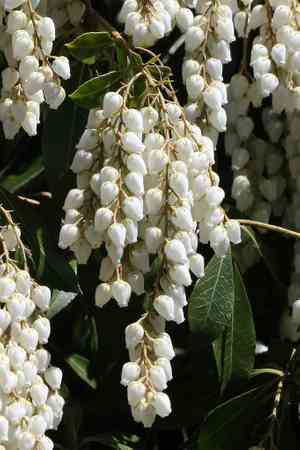
Japanese pieris can be successfully multiplied using cuttings, preferably collected in the spring or summer seasons. This technique presents a moderate level of difficulty, though the application of rooting hormone can enhance the likelihood of success. Observe for the emergence of fresh shoots as a sign of effective propagation.
Optimal Time for Japanese Pieris Propagation
Propagation Method
Cutting
Propagation Period
Spring, Summer
Tools for Japanese Pieris Propagation
Sharp Pruning Shears
Pruning shears are vital for taking healthy, clean cuts from japanese pieris. A sharp blade ensures a precise cut that minimizes damage to the parent plant and increases the chances of successful rooting in the cuttings. It's imperative to use sterilized shears to prevent the spread of disease.
Rooting Hormone
Rooting hormone is used to stimulate root growth on the cuttings of japanese pieris. It can significantly increase the success rate of the cuttings developing strong, viable root systems, which is crucial for their survival when transplanted.
Sterile Potting Mix
A sterile potting mix provides a pathogen-free medium for the cuttings of japanese pieris to root. This reduces the risk of soil-borne diseases which can be detrimental to young plants and provides the necessary aeration and moisture retention to support new root development.
Propagation Tray with Clear Lid
Propagation trays are used to plant the cuttings and maintain an optimal environment for rooting. A clear lid helps retain humidity around the cuttings of japanese pieris, mimicking a mini greenhouse, which is beneficial for encouraging root growth without the leaves drying out.
Heat Mat
A heat mat gently warms the soil, which can improve the rooting success of japanese pieris cuttings. Consistent bottom heat often stimulates faster root development, especially important for this species that may root more slowly in cooler temperatures.
Misting Bottle
A misting bottle is used to provide the cuttings of japanese pieris with sufficient moisture. Regular misting keeps the humidity high, which helps in preventing the cuttings from drying out before they can develop roots.
How to Propagate Japanese Pieris?
Propagation Method
Cutting
Difficulty Level
Moderately Difficult
Caring for Your Newly Propagated Japanese Pieris
Caring for Your Newly Propagated Japanese Pieris
After successful propagation and potting up, japanese pieris should be placed in an area with partial shade to full sun, ensuring protection from harsh afternoon sunlight. Maintain consistent moisture in the soil, but avoid overwatering which can lead to root rot. Provide japanese pieris with a slow-release acidic fertilizer according to package instructions, typically in early spring and late summer. Monitor for pests such as lace bugs, and treat as necessary. Gradually harden off the young plants if moving them outdoors, by slowly introducing them to outdoor conditions over the course of a week or two to prevent shock. Prune japanese pieris to maintain desired shape and size, usually after flowering. Protect from cold winter winds and frost by applying mulch around the base, leaving some space near the stem to prevent rot.
Common Mistakes to Avoid When Propagating Japanese Pieris
Excessive watering
Excessive moisture during the propagation of japanese pieris can lead to root rot, which is detrimental as this species is susceptible to root issues. Overly wet conditions can also foster fungal diseases, which can inhibit rooting and growth or even kill the cuttings.
Ignoring soil ph
Not paying attention to soil pH levels when propagating japanese pieris is a mistake because it thrives in acidic soil. Inappropriate pH can hinder nutrient uptake and contribute to poor plant health and weak root development.
Using diseased cuttings
Selecting cuttings from diseased or weak specimens of japanese pieris can result in poor propagation outcomes, as the new plants may inherit the health problems or be less vigorous.
Neglecting humidity
Failure to maintain a high humidity environment can lead to desiccation of japanese pieris cuttings. Proper humidity is key for the cuttings to establish roots and flourish.
Overlooking sanitation
Not using clean and sterilized tools for cutting and propagation can introduce pathogens to the japanese pieris cuttings, thereby impeding their growth or causing disease.
Tips For Propagating Japanese Pieris
Soil preparation
Ensuring the use of well-draining soil that is rich in organic matter and maintaining an acidic pH will create an optimal environment for the root development of japanese pieris.
Cutting selection
Choosing healthy, disease-free shoots that are semi-hardwood, typically after the blooming period, is essential as it increases the chance of successful rooting for japanese pieris.
Rooting hormones
Dipping the cuttings of japanese pieris in rooting hormone can stimulate root growth and improve the chances of successful plant establishment.
Moisture balance
Maintaining consistent moisture, NOT waterlogged conditions, is crucial for the cuttings of japanese pieris. This helps prevent stress on the cuttings while they form roots without risking root rot.
Proper light
Providing bright, indirect light to japanese pieris cuttings is beneficial since direct sunlight can lead to desiccation, yet insufficient light can impede root and shoot formation.



