How to Propagate Norway spruce?
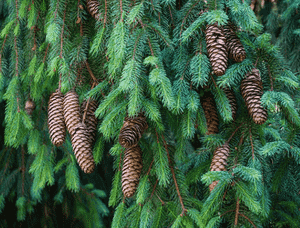
To effectively propagate Norway spruce, choose techniques such as air layering, stem cuttings, or seed sowing, achieving optimal outcomes in the fall and winter seasons. While it presents a moderate level of difficulty, observe the emergence of fresh shoots and root development as indicators of success. Provide appropriate care and focus to enhance your chances of a positive result.
Optimal Period for Norway Spruce Propagation
Propagation Method
Cutting
Propagation Period
Autumn,Winter
Tools Required for Norway Spruce Propagation
Sharp pruning shears
Utilized for taking cuttings from mature norway spruce plants, ensuring a clean and precise cut that promotes better healing and reduces the risk of infection.
Rooting hormone
Applied to the base of norway spruce cuttings to stimulate root growth and increase the success rate of propagation.
Sterile potting mix
Provides a pathogen-free environment for the newly cut norway spruce propagules to promote healthy root development without competition from weeds or disease.
Humidity dome
Maintains high humidity levels around the norway spruce cuttings, which is critical for preventing water loss while they develop roots.
Heat mat
Gently warms the soil, improving the rooting environment for norway spruce cuttings, particularly in cooler climates or seasons.
Planting pots or trays
Holds the sterile potting mix and norway spruce cuttings, designed to facilitate proper drainage and provide sufficient space for root expansion.
Post-Propagation Care for Your Norway Spruce
Post-Propagation Care for Your Norway Spruce
Once the norway spruce cutting has successfully rooted, continue to provide care by maintaining consistent soil moisture without overwatering. Position the young norway spruce in a location where it receives full sun to partial shade and protect it from extreme weather. Fertilize the norway spruce annually with a balanced, slow-release fertilizer formulated for evergreens. Monitor for pests and diseases, and prune as needed to shape the young norway spruce and remove any dead or damaged branches.
Common Errors to Avoid When Propagating Norway Spruce
Insufficient humidity
Lack of adequate humidity can cause cuttings to dry out before rooting. Norway spruce's cuttings require a moist environment to prevent desiccation and ensure successful rooting.
Deep planting cuttings
Planting cuttings too deep can lead to rotting instead of rooting. For norway spruce, shallow planting is essential to allow enough light and air to reach the developing roots.
Ignoring pest control
Neglecting to monitor and control pests can quickly result in infestations that compromise the health of norway spruce. Pests can damage young cuttings and emerging seedlings, hindering propagation.
Overwatering
Excessive watering can lead to root rot and fungal diseases, which are detrimental to norway spruce's cuttings and seedlings. Proper water management is crucial for their healthy growth.
Advice for Propagating Norway Spruce
Proper cutting selection
Choose healthy, disease-free mother plants for cuttings, ensuring they are semi-hardwood with several nodes. This increases the chances of successful root development for norway spruce.
Use rooting hormones
Applying a rooting hormone to the cut end of the cutting can significantly enhance root formation for norway spruce.
Soil medium preparation
Prepare a well-draining propagation medium with appropriate soil mix to support the initial growth stage of norway spruce. Avoid heavy soils that retain excessive moisture.
Adequate spacing
Space cuttings or seedlings sufficiently to prevent competition for resources and decrease the risk of disease spread. Norway spruce requires room to grow, and overcrowded conditions can be harmful.



