How to Propagate Common ninebark?
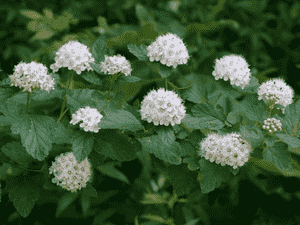
The primary methods for propagating common ninebark are via cuttings and layering, typically performed in the fall and winter. This propagation process can present a moderate level of difficulty, with successful outcomes evidenced by robust root formation and emerging leaves. To achieve the best results, ensure adequate hydration throughout the propagation phase.
Optimal Period for Propagating Common Ninebark?
Propagation Method
Cutting
Propagation Period
Autumn,Winter
Tools Required for Common Ninebark Propagation?
Sharp pruning shears or scissors
Crucial for obtaining common ninebark cuttings, sharp shears or scissors ensure a clean incision, minimizing harm to both the parent plant and the cutting. This is vital for the cutting's survival and subsequent root growth. Precise cuts heal quicker and lessen disease risk.
Rooting hormone powder or gel
Rooting hormone encourages root development in common ninebark cuttings, boosting the likelihood of successful propagation. It contains synthetic auxins, which are natural plant hormones. Dipping the cut end of the cutting into rooting hormone promotes faster and more dependable root formation.
Sterilizing solution (e.g., alcohol or bleach solution)
Used to sanitize cutting implements before and after use, sterilizing solution helps prevent the transmission of plant diseases. This is especially important when propagating common ninebark to maintain the health of both the cuttings and the parent plant.
Plant pots with drainage holes
Adequate drainage is essential when rooting common ninebark cuttings to avoid root rot. Pots with drainage holes allow excess water to escape, ensuring the cuttings are not submerged in overly wet soil, which can lead to fungal issues.
Soilless potting mix or perlite
A light, well-draining substrate is necessary for common ninebark cuttings to root effectively. Soilless potting mix or perlite provides aeration and moisture retention while reducing the risk of soil-borne pathogens affecting the delicate new roots.
Plastic bags or humidity dome
Maintaining elevated humidity levels around common ninebark cuttings can enhance the probability of root formation. Enclosing the potted cuttings in plastic bags or utilizing a humidity dome creates a miniature greenhouse effect that keeps moisture levels stable.
Heat mat (optional)
Though not compulsory, a heat mat can supply gentle warmth to the base of the pots, which may accelerate root growth in common ninebark cuttings, particularly in cooler growing environments.
How to Nurture Your Newly Propagated Common Ninebark?
How to Nurture Your Newly Propagated Common Ninebark?
Once the common ninebark cutting has developed its root system, transfer it to a larger container or directly into garden soil if conditions allow. Water consistently, letting the soil dry slightly between waterings, and provide partial to full sun exposure. Prune to shape the plant and encourage a denser growth habit. Common ninebark is adaptable but thrives best with mulch to retain soil moisture and protect roots in colder climates.
Common Errors to Avoid When Propagating Common Ninebark
Overwatering cuttings
Propagating common ninebark from cuttings can fail due to excessive watering, which leads to decay and fungal infections. This surplus moisture hinders root development and can ultimately kill the cutting before it establishes.
Planting depth
Incorrect planting depth during propagation can be harmful. Burying cuttings too deeply might cause them to rot, while insufficient depth can lead to dehydration and failure to root.
Neglecting humidity
Ignoring the need for a moist environment when propagating common ninebark can prevent cuttings from retaining water, resulting in desiccation and poor root development.
Using dull tools
Employing blunt tools to take cuttings can crush or damage the stem tissue, leading to inadequate healing and diminishing the likelihood of successful root development.
Advice for Propagating Common Ninebark
Sterile medium
Utilizing a sterile propagation medium for common ninebark ensures the cuttings are not exposed to disease-causing pathogens and prevents competition from other plant roots and microbes.
Clean cuts
Making a clean, angled incision on the common ninebark stem cutting improves rooting potential by increasing the surface area and reducing the chances of disease.
Moisture control
Maintaining consistent moisture levels without saturation supports healthy root growth for common ninebark cuttings. Balancing watering practices is crucial for optimal propagation outcomes.
Rooting hormone
Applying a rooting hormone to the cut end of common ninebark can stimulate root development, increasing the chances of propagation success.



