How to Propagate Physocarpus amurensis?
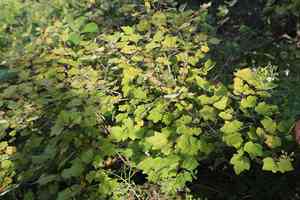
Reproducing physocarpus amurensis is effectively accomplished via stem sections. For improved rooting outcomes, choose robust, semi-lignified cuttings. Apply a rooting stimulant and confirm that the cuttings are situated in a substrate with good drainage. Preserve uniform dampness and position in diffused illumination. Periodically inspect for infestations and ailments to guarantee vigorous development.
Optimal Period for Physocarpus Amurensis Propagation
Propagation Type
Cutting
Propagation Season
Autumn,Winter
Tools for Physocarpus Amurensis Propagation
Sharp Pruning Shears
Crucial for obtaining clean cuttings from physocarpus amurensis. Keen blades prevent tissue damage, lowering infection risk and boosting rooting success.
Rooting Hormone
Facilitates root growth on physocarpus amurensis cuttings. Applying it to cut ends accelerates and improves the rate of root formation.
Propagation Trays
Used to hold and support physocarpus amurensis cuttings during the rooting phase. They offer a controlled setting that sustains moisture and aids healthy root development.
Sterile Potting Medium
Provides a pathogen-free environment for physocarpus amurensis cuttings to root. Suitable media, such as perlite, sand, or a blend, ensure good drainage while retaining sufficient moisture.
Mister or Spray Bottle
Helps provide consistent moisture to physocarpus amurensis cuttings without over-saturating. Regular misting keeps cuttings hydrated and maintains humidity, vital for root initiation.
Clear Plastic Dome or Plastic Bags
Creates a humid microclimate around physocarpus amurensis cuttings. Elevated humidity levels reduce water stress and prevent cuttings from drying out during rooting.
Heating Mat
Supplies bottom warmth to physocarpus amurensis cuttings, encouraging quicker and more uniform root development. Maintaining ideal soil temperature is key for successful propagation.
Labeling Tools
Ensures precise identification and tracking of physocarpus amurensis cuttings. Proper labeling aids in monitoring progress and managing care schedules effectively.
Propagating Physocarpus Amurensis Guide
Propagation Type
Moderately Difficult
Caring for Newly Propagated Physocarpus Amurensis
Caring for Newly Propagated Physocarpus Amurensis
Post-propagation, physocarpus amurensis thrives with consistent watering to keep soil moist but not waterlogged. Position the plant where it receives partial to full sun. Shield it from extreme temperatures and apply a balanced, slow-release fertilizer during its growth period to ensure essential nutrients. Prune as needed to maintain shape and encourage robust growth.
Common Errors to Avoid When Propagating Physocarpus Amurensis
Incorrect soil composition
Using overly dense soil or soil lacking proper drainage can hinder root development and increase susceptibility to root rot.
Overwatering
Excessive water can suffocate roots and lead to fungal infections, impeding successful propagation.
Improper cutting technique
Taking cuttings that are too large or too small, or damaging the stem during cutting, can decrease the likelihood of successful propagation.
Inadequate humidity control
Failure to maintain sufficient humidity can cause cuttings to dry out before they have a chance to root.
Lack of patience
Disturbing cuttings too early to check for root development can interrupt the rooting process.
Advice for Propagating Physocarpus Amurensis
Use well-draining soil
Ensure the soil mix contains elements like perlite or sand to improve drainage and prevent root rot.
Moderate watering
Keep the soil moist but not waterlogged, watering lightly to maintain consistent moisture levels.
Sharp and clean tools
Always use sharp, sterilized tools for cuttings to avoid introducing diseases and to make clean cuts.
Maintain humidity
Cover cuttings with a plastic dome or place them in a humid environment to conserve moisture and encourage rooting.
Be patient
Allow sufficient time for the root system to develop adequately before checking for progress or transplanting the cuttings.



