How to Propagate Taiwanese photinia?
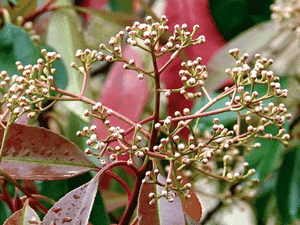
Taiwanese photinia can be readily multiplied in Spring, mainly through the use of cuttings and layering techniques. Upon successful propagation, anticipate the emergence of new roots and sprouts. Maintain damp and warm soil conditions for the best development.
Optimal Time for Propagating Taiwanese Photinia
Propagation Method
Cutting
Propagation Period
Autumn,Winter
Tools Utilized in Taiwanese Photinia Propagation
Sharp pruning shears
These are crucial for making clean cuts on taiwanese photinia, which aids in better healing and lowers the chance of infection at the cut site. The blades must be sharp to ensure precise cuts without crushing the stems.
Rooting hormone powder
This assists in stimulating root growth on taiwanese photinia cuttings. The powdered form is simple to apply by dipping the cut ends of the stems, promoting quicker and more consistent root development, which is vital for the successful establishment of new plants.
Sterile potting mix
A sterile potting mix is important to provide a pathogen-free environment for the delicate cuttings of taiwanese photinia to root. This reduces the risk of diseases that can be detrimental to young propagules.
Propagation tray or pots
These containers hold the potting mix and maintain the necessary moisture levels around taiwanese photinia cuttings. Proper drainage in the tray or pots is important to avoid water logging, which can lead to rot.
Plastic dome or cover
Creating a humid microclimate around taiwanese photinia cuttings is important for preventing moisture loss until new roots have formed. A clear plastic cover helps maintain high humidity while allowing light to reach the cutting.
Heating mat
This specialized tool provides gentle bottom heat, which can significantly improve root development in taiwanese photinia cuttings, especially during cooler times of the year when root growth may otherwise be slow.
Misting system (optional)
For large-scale propagation of taiwanese photinia, a misting system keeps the humidity constant and aids in preventing the cuttings from drying out before they have a chance to take root.
Caring for Your Newly Propagated Taiwanese Photinia
Caring for Your Newly Propagated Taiwanese Photinia
Following successful propagation, gradually introduce the new taiwanese photinia plants to their outdoor environment if they were rooted indoors. Slowly increase their exposure to sunlight over several weeks to prevent shock. Continue to keep the soil moist as the young plants establish, and apply a balanced fertilizer once they show signs of growth. Be vigilant for pests or diseases, and provide support with stakes if needed as the plants mature.
Common Errors to Avoid When Propagating Taiwanese Photinia
Insufficient stem cutting preparation
Failing to choose healthy, mature stems for cutting can lead to poor root development and low survival rates in taiwanese photinia.
Incorrect cutting size
Cuttings that are too short or too long may struggle to establish, as they do not have the optimal balance of leaf surface to root volume.
Excessive watering of cuttings
Too much moisture can cause rot in taiwanese photinia cuttings, hindering root formation and increasing the likelihood of fungal infections.
Neglecting cleanliness
Using unsterilized tools and containers can introduce pathogens, leading to disease in taiwanese photinia cuttings.
Advice for Propagating Taiwanese Photinia
Healthy stem selection
Choose semi-hardwood, disease-free stems from taiwanese photinia to increase the success rate of rooting and overall plant vigor.
Optimal cutting length
A 4-6 inch cutting with several leaves ensures a good surface area for photosynthesis and sufficient stem for rooting.
Balanced moisture
Maintaining evenly moist but not saturated soil is key to encouraging root growth without risking rot or disease in taiwanese photinia.
Sterilization
Disinfecting cutting tools and containers before use helps prevent disease transfer and promotes healthy growth in taiwanese photinia.



