How to Propagate Creeping phlox?
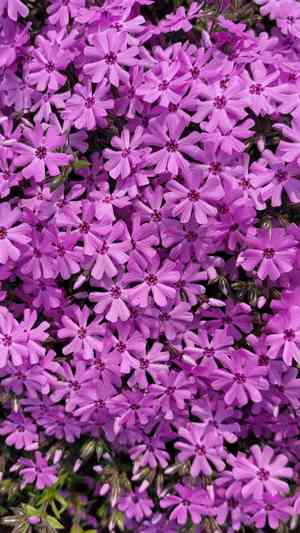
Creeping phlox multiplies most effectively from cuttings acquired in the spring and summer seasons. Regarded as simple to propagate, indicators of success encompass fresh shoots and the formation of roots. Provide abundant light and a growing medium that drains efficiently for the best outcomes.
When Is the Optimal Time to Propagate Creeping Phlox?
Propagation Method
Cutting
Propagation Period
Spring, Summer
What Equipment Is Used in Creeping Phlox Propagation?
Pruning Shears
Sharp pruning shears are vital for taking clean and precise cuttings from creeping phlox. A smooth cut helps minimize damage to the parent plant and creates a clean surface on the cutting for better rooting.
Rooting Hormone Powder
Applying rooting hormone powder to the base of creeping phlox cuttings encourages quicker root development and increases the chances of successful propagation by promoting healthy root growth.
Sterile Potting Mix
Using a sterile potting mix for rooting creeping phlox cuttings is crucial to prevent disease and pathogens from affecting the young plants. The potting mix should offer adequate drainage and aeration to ensure a hospitable environment for root establishment.
Propagation Tray
A propagation tray is useful for organizing multiple cuttings of creeping phlox in a compact space, providing support and ensuring that each cutting has an adequate environment for rooting with proper spacing and humidity control.
Clear Plastic Cover or Dome
Covering the propagation tray with a clear plastic cover or dome creates a mini greenhouse effect, maintaining high humidity and stable temperatures, which are vital for the successful rooting of creeping phlox cuttings.
Watering Can with a Fine Rose
A watering can with a fine rose attachment provides gentle, even watering, which is essential for keeping the potting mix moist but not waterlogged, ensuring the delicate new creeping phlox roots do not rot.
Heat Mat
A heat mat may be beneficial for creeping phlox cuttings, especially in cooler climates or seasons, to maintain a consistent and warm soil temperature that encourages root development without overheating the cuttings.
How to Propagate Creeping Phlox?
Propagation Method
Cutting
Difficulty Level
Easy
How to Care for Your Newly Propagated Creeping Phlox?
How to Care for Your Newly Propagated Creeping Phlox?
After the creeping phlox cuttings have been successfully propagated and transplanted, regular care is essential for their establishment and growth. Ensure the newly transplanted creeping phlox are kept well-watered, especially during dry spells, to help the roots settle and spread. Creeping phlox prefers full to partial sun, so make sure they get at least six hours of sunlight each day. Fertilize lightly with a balanced fertilizer in the spring. As a groundcover, creeping phlox does not require frequent pruning, but it can be trimmed back after flowering to maintain a dense and attractive habit. Protect creeping phlox from extreme winter cold with mulch if necessary, and monitor for pests or diseases, treating if necessary.
Common Mistakes to Avoid When Propagating Creeping Phlox
Overwatering after propagation
Excessive watering of creeping phlox cuttings or divisions can lead to root rot and fungal diseases due to surplus moisture. This mistake creates an unstable environment for new roots to develop, potentially killing the young plants.
Planting cuttings too deep
Inserting creeping phlox cuttings too deeply into the soil can suffocate new roots and reduce oxygen availability. This can hinder root growth and weaken the plant's overall development.
Neglecting to harden off divisions
Failing to acclimatize new creeping phlox divisions to outdoor conditions can cause shock when they are eventually planted outside. This stress can result in stunted growth or plant death.
Using unsterilized tools
Propagating creeping phlox with dirty tools can introduce pathogens to the cuttings or divisions. Contaminated tools can spread disease, hindering the success of propagation.
Tips For Propagating Creeping Phlox
Proper cutting length
Keep creeping phlox cuttings between 4-6 inches long to ensure they are not too bulky, which promotes easier rooting and better establishment of new plants.
Adequate soil drainage
Creeping phlox thrives in well-draining soil, which prevents waterlogging and promotes healthy root development. Ensure propagation media allows for adequate drainage.
Use of rooting hormone
Applying a rooting hormone to creeping phlox cuttings can stimulate faster root growth and improve the overall success rate of propagation.
Monitoring moisture levels
Maintain consistent moisture levels for creeping phlox cuttings without overwatering. This aids in root development while preventing rot and disease.



