How to Propagate Garden phlox?
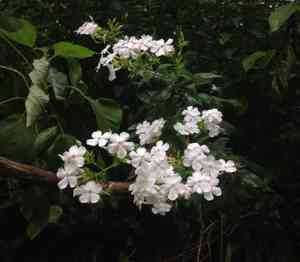
Garden phlox is typically multiplied by planting seeds in the springtime. This plant is simple to cultivate, and the appearance of new sprouts signifies successful propagation. Guarantee adequate drainage and consistent hydration for the best germination results.
Optimal Time for Garden Phlox Propagation
Propagation Method
Seeding
Propagation Period
Spring
Tools for Garden Phlox Propagation
Seedling Trays
Seedling trays are shallow containers with individual cells, providing separate growing areas for each garden phlox seed. They promote good drainage and air circulation, reducing the risk of fungal issues like damping-off. These trays aid in practical organization and gentle handling during transplanting, which is vital for the delicate root systems of young garden phlox.
Fine-Grained Seed Starting Mix
This specialized growing medium offers the light, airy texture necessary for effective garden phlox seed germination. It retains sufficient moisture for sprouting while allowing excess water to drain, preventing rot. Its composition is typically free of pests and pathogens, ensuring a healthy beginning for garden phlox.
Misting Bottle
A misting bottle delivers a fine water spray, moistening the seed starting mix without disturbing tiny garden phlox seeds or compacting the soil. It enables gentle watering, keeping the medium consistently moist, which is crucial for uniform garden phlox seed germination.
Heat Mat
A heat mat gently warms the soil, which can enhance the germination rate and speed for garden phlox seeds. Consistent warmth is particularly beneficial for germinating garden phlox, promoting more even growth during the initial developmental stages.
How to Propagate Garden Phlox
Propagation Method
Seeding
Difficulty Level
Simple
Caring for Newly Propagated Garden Phlox
Caring for Newly Propagated Garden Phlox
Post-propagation, water garden phlox regularly to establish a strong root system. They thrive in rich, moist soil, but avoid overwatering. Provide full sun to partial shade and fertilize lightly in spring. Remove spent flowers to encourage new blooms and maintain plant vigor. Divide plants every few years in spring or fall to revitalize them and manage their spread. Watch for signs of powdery mildew or other fungal diseases, which garden phlox can be susceptible to, and treat promptly if observed.
Common Propagation Mistakes for Garden Phlox
Overwatering
Excessive watering can lead to root rot and fungal diseases in garden phlox. This error creates an oxygen-deprived environment unsuitable for healthy root development.
Poor cutting selection
Choosing weak or diseased stems for cuttings can result in inadequate or no root development, jeopardizing the propagation attempt.
Excessive fertilization
Applying too much fertilizer can damage newly forming roots and delicate garden phlox cuttings, hindering growth or killing the plant.
Inadequate root space
Insufficient space for root development can restrict garden phlox growth, leading to a smaller plant or propagation failure.
Ignoring pest control
Failing to manage pests can lead to infestations that harm or kill garden phlox cuttings and seedlings before they can establish.
Tips for Propagating Garden Phlox
Stem cutting selection
Choose healthy, robust stems for cuttings to increase the likelihood of successful root development in garden phlox.
Rooting environment
Create a well-draining rooting medium to provide the ideal balance of moisture and air for the developing garden phlox roots.
Cutting treatment
Using a rooting hormone on cuttings can promote stronger and faster root growth for garden phlox.
Moderate watering
Water cuttings and divisions just enough to keep the soil moist, ensuring proper hydration without causing waterlogging.
Pest monitoring
Regularly inspect for pests and treat as needed to protect young garden phlox plants during their crucial growth periods.



