How to Propagate Shrubby jerusalem sage?
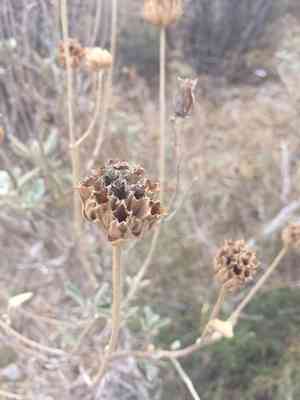
The most suitable period for propagating Shrubby jerusalem sage is during the spring and summer months, utilizing cuttings. This propagation method is relatively straightforward, with indicators of success including the emergence of new shoots and foliage. It is crucial to ensure proper drainage for the cuttings to prevent decay.
When Is the Best Time to Propagate Shrubby Jerusalem Sage?
Propagation Method
Cutting
Propagation Period
Spring, Summer
What Tools Are Used in Shrubby Jerusalem Sage Propagation?
Sharp pruning shears or scissors
Utilized for taking cuttings from shrubby jerusalem sage, sharp blades ensure a clean cut, minimizing harm to the parent plant and boosting the cutting's rooting potential.
Rooting hormone powder or gel
This product stimulates root formation in shrubby jerusalem sage cuttings, enhancing the probability of successful propagation by encouraging root growth at the cut site.
Sterile potting mix
A clean, well-draining growth medium is crucial for the healthy root development of shrubby jerusalem sage cuttings. Sterility helps prevent the introduction of disease-causing agents that could harm the cuttings.
Propagation trays or small pots
These containers hold shrubby jerusalem sage cuttings securely while roots develop. Their size and design should facilitate proper drainage and air circulation.
Plastic covers or propagation domes
These create a humid environment around shrubby jerusalem sage cuttings, which helps prevent water loss from leaves and stems, thereby increasing the likelihood of root formation.
Heat mat (optional)
Providing warmth from below can accelerate rooting for shrubby jerusalem sage cuttings by maintaining a consistent and appropriate temperature, especially in cooler settings.
Misting bottle
Used to gently moisten shrubby jerusalem sage, keeping the medium damp but not waterlogged, which is essential for root development in cuttings without disturbing their position in the soil.
How to Propagate Shrubby Jerusalem Sage?
Propagation Method
Cutting
Difficulty Level
Moderately Challenging
How to Care for Your Newly Propagated Shrubby Jerusalem Sage?
How to Care for Your Newly Propagated Shrubby Jerusalem Sage?
After propagation, shrubby jerusalem sage needs well-draining soil and regular watering, but allow it to dry out between waterings to prevent root rot. It thrives in full sun to partial shade and benefits from occasional feeding during the growing season with a balanced, all-purpose fertilizer. During the initial year, shield young plants from extreme cold. Prune shrubby jerusalem sage in early spring to maintain shape and promote dense growth. As they mature, plants will become drought-tolerant and require minimal upkeep.
Common Mistakes to Avoid When Propagating Shrubby Jerusalem Sage
Overwatering
Excessive watering can lead to root rot in shrubby jerusalem sage, as this species prefers well-drained soil. Waterlogged conditions may cause root decay, hindering plant growth and reducing propagation success.
Poor cutting selection
Choosing weak, diseased, or non-viable cuttings from shrubby jerusalem sage for propagation may result in a low success rate. Using unhealthy plant material can also introduce diseases to new plants.
Incorrect soil mixture
Using a soil mix that doesn't provide adequate drainage can be detrimental for shrubby jerusalem sage. An unsuitable soil medium may impact root development and water retention, potentially leading to poor plant establishment.
Lack of rooting hormone
Neglecting to use a rooting hormone with shrubby jerusalem sage might lead to longer root development times or reduced rooting success. Rooting hormones can significantly improve the chances of successful propagation.
Tips For Propagating Shrubby Jerusalem Sage
Optimal cutting conditions
Ensure shrubby jerusalem sage cuttings are healthy, with a few leaves, and taken from semi-ripe wood. This increases the likelihood of successful rooting and a subsequent healthy plant.
Ideal soil preparation
Prepare a potting mix suitable for shrubby jerusalem sage that is well-draining and fertile to encourage healthy root growth. A mix of perlite, sand, and peat moss is often recommended for adequate aeration and moisture retention.
Cutting treatment
Dip the base of shrubby jerusalem sage cuttings in rooting hormone to promote quicker root development and improve the chances of successful propagation.
Adequate spacing
When planting shrubby jerusalem sage cuttings, ensure they are spaced properly to allow sufficient airflow between them, which can prevent fungal outbreaks and allow each cutting to grow without competition for resources.



