How to Propagate Heartleaf philodendron?
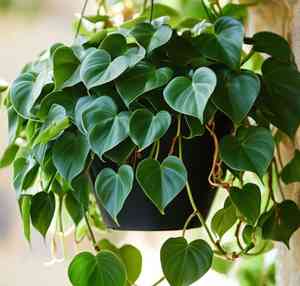
The heartleaf philodendron is a species that can be multiplied using soft stem sections during the spring and summer seasons. Its propagation process is regarded as straightforward. Indicators of successful propagation involve the development of new root structures and the appearance of fresh foliage. Essential advice for propagation includes verifying that each cutting possesses a minimum of one node and maintaining continuous moisture levels.
When Is the Optimal Time to Propagate Heartleaf Philodendron?
Propagation Method
Cutting
Propagation Period
Spring, Summer
What Equipment Is Used for Heartleaf Philodendron Propagation?
Sharp Pruning Shears or Scissors
These tools are essential for making clean incisions on heartleaf philodendron stems for cuttings. A sharp blade ensures a precise cut, minimizing harm to the parent plant and increasing the likelihood of successful root development. Shears or scissors should be sanitized before use to prevent disease transmission to the cuttings.
Rooting Hormone Powder or Gel
This substance is applied to the severed end of the heartleaf philodendron cutting to stimulate root formation. Rooting hormone contains auxins that encourage root development and can significantly boost the propagation success rate, especially for cuttings that root slowly on their own. It is particularly beneficial when propagating heartleaf philodendron in soil.
Small Pots or Propagation Trays
These containers are used to house the heartleaf philodendron cuttings once they have been prepared. Small pots or trays are ideal as they offer sufficient room for new roots to develop. Drainage holes are crucial to prevent waterlogging, which can lead to rot and fungal issues in heartleaf philodendron cuttings.
Well-draining Potting Mix
A potting mix suitable for heartleaf philodendron should promote air circulation and drainage while retaining enough moisture to support root growth. A blend of peat, perlite, and vermiculite is often recommended for heartleaf philodendron. It aids root development by providing a balance of moisture retention and drainage, vital for the health of propagated cuttings.
Plastic Bags or Covers
These are utilized to create a moist environment around the heartleaf philodendron cuttings, mimicking a miniature greenhouse effect. This boosts humidity, which helps prevent cuttings from drying out and encourages the rooting process. Ensure adequate air circulation to deter mold growth.
Watering Can with a Fine Rose
This tool is used to gently irrigate the heartleaf philodendron cuttings without disturbing them. A fine rose attachment on the watering can delivers a soft spray that will not dislodge the potting mix or harm delicate new roots. Consistent, gentle watering is key to successful heartleaf philodendron propagation.
How to Propagate Heartleaf Philodendron?
Propagation Method
Cutting
Difficulty Level
Easy
How to Care for Your Newly Propagated Heartleaf Philodendron?
How to Care for Your Newly Propagated Heartleaf Philodendron?
Post-propagation, position heartleaf philodendron in a spot receiving bright, indirect light. Maintain a consistent watering schedule, allowing the top inch of soil to dry before re-watering. Keep humidity levels elevated around the plant, as heartleaf philodendron thrives in moist air. Maintain heartleaf philodendron in a warm setting, ideally between 65°F and 80°F (18°C and 27°C), and avoid cold drafts. Fertilize heartleaf philodendron monthly during the growing season with a balanced, water-soluble fertilizer, diluted to half strength. Regularly inspect for pests and diseases, ensuring heartleaf philodendron remains healthy and continues to flourish.
Common Errors to Avoid When Propagating Heartleaf Philodendron
Overwatering cuttings
Submerging heartleaf philodendron cuttings in excessive water can lead to root rot. Stems and developing roots require oxygen; too much water can deprive them, reducing the likelihood of successful propagation.
Using diseased or weak stems
Selecting unhealthy or overly weak stems for heartleaf philodendron propagation can result in failure, as these stems may lack the energy or resources to develop roots and grow.
Ignoring node presence
Cuttings without a nodeâwhere leaves and roots can emergeâare ineffective for propagating heartleaf philodendron, as roots typically sprout from these crucial areas.
Excessive sunlight
Exposing heartleaf philodendron cuttings to direct sunlight can cause them to dehydrate and lose the moisture needed for rooting, impeding their propagation process.
Ignoring humidity requirements
Neglecting the humidity needs of heartleaf philodendron can cause cuttings to lose moisture too rapidly, which is detrimental to the development of new roots.
Tips For Propagating Heartleaf Philodendron
Healthy stem selection
Choose a robust, vigorous stem with at least one node and a couple of leaves for improved chances of successful growth when propagating heartleaf philodendron.
Water change routine
Regularly refresh the water when rooting heartleaf philodendron in water to maintain a clean environment and minimize the risk of bacterial growth that can harm the cuttings.
Indirect light
Place heartleaf philodendron cuttings in bright, indirect light to encourage growth without the danger of sunburn or dehydration.
Humidity control
Maintain high humidity around the heartleaf philodendron cuttings, achievable by covering them with a plastic bag or placing them in a propagator to create a suitable microclimate.
Adequate airflow
Ensure heartleaf philodendron cuttings receive sufficient airflow to prevent mold growth. Good ventilation supports healthy root development and overall plant vitality.



