How to Propagate Common bean?
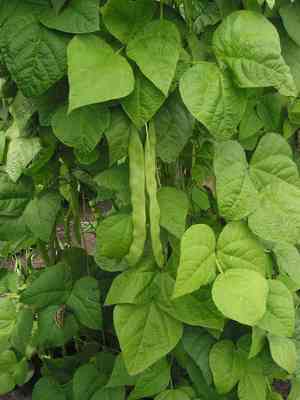
The propagation of common bean is generally achieved by planting seeds in the springtime. This procedure is quite straightforward, with successful outcomes evidenced by the emergence of sprouts and the development of young plants. Thorough soil conditioning and suitable hydration levels are crucial for the most effective propagation.
Optimal Time for Common Bean Propagation
Propagation Method
Seeding
Propagation Period
Spring
Tools for Common Bean Propagation
Seed Trays
Seed trays offer a regulated setting for germinating common bean seeds. Their shallow design helps maintain consistent moisture and warmth, crucial for successful germination. Trays can be filled with a suitable seed starting mix to ensure good soil aeration and drainage, vital for the emerging roots of common bean.
Dibber or Seedling Spacer
A dibber is a pointed instrument used to create precise holes in the soil for planting common bean seeds at the correct depth. Seedling spacers can help ensure uniform spacing between seeds, which promotes adequate air circulation and reduces competition for nutrients, thereby enhancing growth potential.
Misting Bottle
A misting bottle allows for gentle watering of common bean seeds and delicate seedlings without dislodging them or causing soil erosion. Controlled misting keeps the soil moist, which is essential for the germination and early growth of common bean, without causing waterlogging that could lead to seed rot.
Heating Mat
A heating mat provides a consistent heat source beneath the seed trays, which can be crucial for common bean seed germination, especially in cooler climates or seasons. The additional warmth encourages faster germination and more uniform seedling development.
Grow Lights
Grow lights provide the necessary light spectrum for common bean seedlings when natural light is insufficient. Proper light exposure is vital for photosynthesis and healthy growth, reducing the risk of leggy or weak seedlings.
Humidity Dome
A humidity dome covers the seed tray, creating a microclimate with higher humidity levels. This prevents excess water evaporation and helps maintain optimal moisture around the common bean seeds, which is particularly important in arid conditions or controlled indoor environments.
Trowel
Once common bean seedlings are large enough to handle, a trowel is used for transplanting them into larger containers or the field. It assists in careful lifting of the seedlings without damaging their roots and ensures proper planting depth for optimal growth.
Gardening Gloves
Gardening gloves protect the propagator's hands and prevent any potential transfer of pathogens to common bean seedlings during handling or transplanting. They also provide a better grip on tools, which can aid precision work.
How to Propagate Common Bean?
Propagation Type
Seeding
Difficulty Level
Easy
Caring for Newly Propagated Common Bean
Caring for Newly Propagated Common Bean
Common bean requires regular watering, especially in dry conditions, and the soil should be kept free of weeds. Provide support for climbing varieties of common bean, such as stakes or trellises. Fertilization is not generally necessary but a light application of a low-nitrogen fertilizer can be applied once the plants are established. Monitor for pests and diseases and take appropriate action if they appear.
Common Mistakes to Avoid When Propagating Common Bean
Planting depth
Sowing common bean's seeds too deeply can hinder germination. Seeds planted too far beneath the soil may not have enough energy to reach the surface, affecting the emergence rate and overall vigor of seedlings.
Overwatering
Excessive moisture around common bean's seeds increases the risk of fungal diseases like root rot, which can decimate young plants. Consistent overwatering deprives roots of oxygen, leading to plant stress and poor growth.
Ignoring soil quality
Planting common bean in poor soil without adequate organic matter can lead to poor root development and nutrient uptake, hampering plant growth and yield.
Neglecting support structures
Failing to provide support for climbing varieties of common bean can lead to sprawling plants, increased disease susceptibility due to poor air circulation, and potential damage from being on the ground.
Inadequate spacing
Planting common bean's seeds too close together can lead to overcrowding, competition for resources, insufficient sunlight, and air circulation, which can increase the incidence of diseases and reduce yields.
Tips For Propagating Common Bean
Proper planting depth
Ensuring common bean's seeds are sown at the correct depth, typically 1â1.5 inches, encourages effective germination and strong seedling development.
Balanced watering
Maintaining even soil moisture while common bean's seeds are germinating and as seedlings grow ensures healthy plant establishment without promoting disease.
Soil enrichment
Incorporating compost or aged manure into the soil will improve fertility and structure, fostering robust growth and better yields for common bean.
Support structures
Providing trellises or stakes for common bean can encourage vertical growth, minimize disease exposure, and facilitate harvesting, crucial for climbing varieties.
Adequate planting distance
Spacing common bean's seeds appropriately ensures adequate room for each plant to grow, reducing competition and promoting air flow to minimize disease risk.



