How to Propagate Reed canary grass?
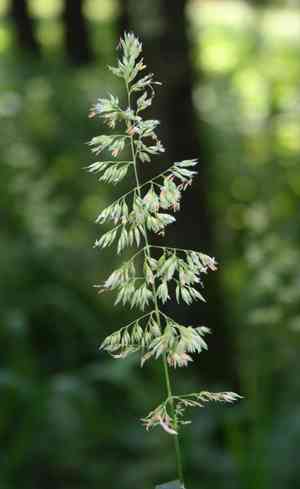
Reed canary grass primarily reproduces via division during spring or fall for optimal outcomes. This propagation method is generally straightforward, indicated by the emergence of new sprouts and robust root structures. Ensure adequate soil hydration to support vigorous development.
What Is the Best Time To Propagate Reed Canary Grass?
Propagation Type
Division
Propagation Season
Spring, Autumn
What Tools Are Used in Reed Canary Grass Propagation?
Sharp Spade or Dividing Knife
A keen-edged spade or a specialized dividing knife is essential for cleanly separating reed canary grass's dense root clumps. This ensures minimal root damage, boosting propagation success. Tools should be disinfected before use to prevent disease spread.
Garden Fork
A garden fork is utilized to loosen the soil around reed canary grass's roots before division. Its tines enable gentle lifting of the plant from the ground with minimal root disturbance, crucial for the plant's health and successful re-establishment.
Watering Can or Hose with a Soft Spray Attachment
A watering can or hose with a gentle spray attachment is vital for providing reed canary grass with a mild watering after division. Adequate and gentle watering helps settle the soil, reduces transplant shock, and ensures sufficient moisture for recovery and growth.
Rooting Hormone (optional)
While not always required, a rooting hormone can be advantageous for reed canary grass when there's a need to stimulate root development in the divided sections. It can enhance the success rate of new plants establishing themselves post-transplant.
Pruning Shears
Pruning shears are important for trimming reed canary grass's foliage before division. This step reduces water loss through transpiration and focuses the plant's energy on root and new shoot development. Blades should be sharp and clean to prevent disease and ensure precise cuts.
How to Propagate Reed Canary Grass?
Propagation Type
Division
Difficulty Level
Easy
How to Care for Your Newly Propagated Reed Canary Grass?
How to Care for Your Newly Propagated Reed Canary Grass?
After propagation, ensure reed canary grass receives consistent moisture, especially during its initial growth period, to foster a robust root system. Lightly fertilize with a balanced, slow-release product to encourage healthy growth. As reed canary grass grows vigorously, it may need division every few years to manage its spread and maintain vitality. Monitor for pests and diseases, though reed canary grass is generally resilient. Mow or cut back old foliage in late winter or early spring before new growth emerges to keep the area tidy and promote fresh, strong shoots.
Common Mistakes to Avoid When Propagating Reed Canary Grass
Overwatering
Excessive watering can lead to root rot and fungal issues, jeopardizing the health of reed canary grass. This can result in weakened root systems and lower survival rates.
Poor soil preparation
Inadequate soil preparation may not support the root development of reed canary grass, as it prefers moist and fertile conditions. Compaction or poor nutrient content can hinder its growth.
Ignoring rhizome health
Planting damaged or diseased rhizomes can severely impact propagation success. Compromised rhizomes may not sprout or may lead to weaker plants.
Planting depth
Planting rhizomes too deep or too shallow can affect root establishment and shoot growth in reed canary grass. Incorrect depth can expose rhizomes to the elements or suffocate them.
Overcrowding
Planting reed canary grass too close together can result in competition for nutrients, water, and light, leading to stunted growth and reduced vigor.
Tips For Propagating Reed Canary Grass
Moisture management
Ensure consistent soil moisture without overwatering. Reed canary grass thrives in well-drained, moist conditions that mimic its natural habitat.
Soil fertility
Enrich the soil with organic matter to create a fertile environment for reed canary grass. This promotes healthy root development and robust plant growth.
Healthy rhizomes
Select robust and disease-free rhizomes for propagation to maximize success. Inspect and discard any showing signs of decay or damage.
Appropriate planting depth
Plant rhizomes at the correct depth, typically 1-2 inches, to ensure they are neither too exposed nor buried too deeply.
Spacing
Give each plant ample space to grow. A general rule is to space rhizomes about 12 inches apart, allowing reed canary grass to spread without excessive competition.



