How to Propagate Blue curls?
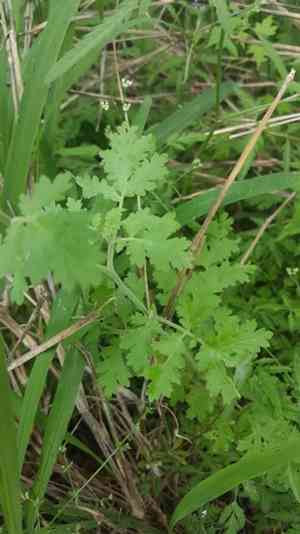
Blue curls flourishes when reproduced by seeding. Begin with premium seeds and hydrate the growing medium beforehand to establish an ideal setting for sprouting. Disperse the seeds on the surface, as blue curls needs illumination for proper development. A light layer of fine earth or vermiculite assists in retaining moisture without impeding the young plants. Consistent, delicate irrigation guarantees the soil stays uniformly moist, which is vital for blue curls's progress. Following germination, thinning is essential to avoid congestion and foster vigorous growth. With diligent care, blue curls's unique flowers will beautify any landscape.
Optimal Time for Blue Curls Propagation?
Propagation Method
Seeding
Propagation Period
Spring
Tools for Blue Curls Propagation?
Seed trays
Seed trays offer a structured setting perfect for starting blue curls from seeds. They ensure uniform spacing and adequate air circulation around each seedling, lowering disease risk. Seed trays also simplify soil moisture management, vital for blue curls germination.
Fine-grained soil or seed starting mix
A fine-textured soil or specialized seed starting blend guarantees that blue curls's tiny seeds are not obstructed by large soil particles. Such mediums promote better seed-to-soil contact, improving water absorption and supplying essential nutrients for initial growth stages.
Watering can with a fine rose
This tool enables gentle watering of blue curls seeds, preventing the displacement or washing away of small seeds. A fine rose attachment helps distribute water evenly, mimicking light rain, which is ideal for maintaining optimal soil moisture without causing erosion.
Heat mats
Heat mats are beneficial for providing blue curls with a consistent soil temperature, which is necessary to trigger germination. These mats help maintain constant warmth, crucial during cooler climates or in controlled indoor environments.
Grow lights
If propagating indoors or in areas with insufficient sunlight, grow lights can provide the necessary light spectrum to support the growth of blue curls seedlings. This can be important for ensuring strong, healthy development before transplanting.
Labels and markers
Using labels and markers is crucial for identifying blue curls during early propagation, especially when multiple species are grown simultaneously. Proper labeling prevents confusion and ensures specific growing conditions for blue curls are accurately maintained.
How to Propagate Blue Curls?
Propagation Type
Simple
Caring for Newly Propagated Blue Curls?
Caring for Newly Propagated Blue Curls?
Once blue curls seedlings emerge, continue to ensure they receive ample indirect sunlight and moderate watering, allowing the soil to dry slightly between watering sessions. As seedlings grow, thin them to prevent overcrowding and transplant them to larger pots or directly into the garden if outdoor conditions permit. Blue curls thrives in full sun and can tolerate partial shade, preferring well-drained soil. Regularly check plants for pests and diseases.
Common Mistakes to Avoid When Propagating Blue Curls
Overwatering
Excessive watering of blue curls can lead to root rot and fungal issues, diminishing the plant's ability to absorb nutrients effectively and hindering its growth.
Deep Planting
Planting blue curls seeds or cuttings too deeply can impede their ability to sprout or root, as blue curls requires light for germination and shallow placement for successful root establishment.
Neglecting Early Humidity Needs
Failure to provide a humid environment for blue curls during the initial propagation stages can result in poor root development and increased vulnerability to environmental stress.
Using Poor Soil
Using unamended or heavy soil hinders drainage and aeration, which are vital for the delicate roots of blue curls, thereby stunting its growth and risking root diseases.
Tips For Propagating Blue Curls
Provide Light for Germination
Expose blue curls seeds to adequate light as they require illumination to germinate effectively. A thin soil cover or placement on the soil surface under a clear cover can help capture necessary light.
Maintain Optimal Humidity
Enclose the blue curls propagation setup in a clear plastic bag or use a humidity dome to maintain high humidity levels, essential for early root development and successful cutting establishment.
Use Well-Draining Soil
Prepare a light, well-draining soil mix rich in organic matter for blue curls to promote healthy root growth and prevent waterlogging, crucial for young plants' development.
Moderate Watering
Water blue curls consistently but moderately to maintain moist soil conditions without oversaturating, reducing the risk of root rot and other water-related issues.



