How to Propagate Parsley?
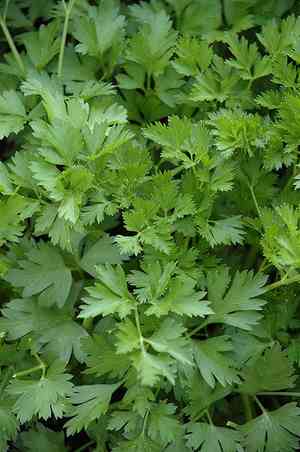
Cultivating parsley is most effectively accomplished by planting seeds in the springtime, presenting a moderate challenge. The appearance of young sprouts indicates successful germination. Provide sufficient light exposure, soil that drains properly, and steady hydration for peak performance.
Optimal Time for Parsley Propagation
Propagation Method
Seeding
Propagation Period
Spring
Essential Tools for Parsley Propagation
Seed trays
Seed trays offer an organized surface for planting, ensuring proper spacing for parsley seeds to prevent crowding. These trays enable regulated conditions, vital for parsley germination.
Fine-grit vermiculite or perlite
These soil amendments enhance drainage and aeration, creating an ideal growing medium for parsley's delicate roots during germination. They also help maintain moisture without waterlogging.
Misting spray bottle
A misting bottle ensures parsley seeds remain consistently damp without over-saturation, which is crucial as heavy watering can dislodge tiny seeds, leading to uneven sprouting.
Tweezers
Tweezers allow for precise handling and placement of parsley seeds, promoting even distribution and reducing seed waste. This also minimizes disruption to the soil and seedlings in early propagation stages.
Clear plastic dome or cling film
Covering seed trays with a clear plastic dome or cling film creates a humid microclimate, boosting parsley's germination rate by preventing the topsoil from drying out.
Grow lights (optional)
Grow lights can be beneficial for propagating parsley indoors or in low-light environments. They provide a steady light source that can encourage better and faster germination when natural light is insufficient.
Heat mat (optional)
A heat mat can be placed beneath seed trays to maintain a consistent soil temperature, promoting quicker germination and growth of parsley, as they require warm conditions to sprout effectively.
How to Propagate Parsley?
Propagation Method
Seeding
Difficulty Level
Easy
Caring for Your Newly Propagated Parsley
Caring for Your Newly Propagated Parsley?
After propagation, parsley needs full sun to partial shade and regular watering to keep the soil consistently moist but not waterlogged. Fertilize with a balanced, liquid fertilizer every 4-6 weeks. Mulching helps retain moisture and suppress weeds. Harvest outer leaves regularly to encourage new growth and bushier plants. Protect parsley from pests like aphids and caterpillars, and provide support if needed. Parsley can also be grown in pots indoors with adequate light. In colder climates, parsley is typically treated as an annual, but it may survive as a biennial with proper winter care.
Common Errors to Avoid When Propagating Parsley
Overwatering
Excessive watering of parsley can lead to root rot due to its sensitivity to too much moisture. Constantly soggy soil hinders parsley's growth and reduces the likelihood of successful propagation.
Too deep sowing
Planting parsley seeds too deeply can impede germination, as parsley seeds require light to sprout effectively. Burying the seeds can significantly decrease germination rates.
Ignoring seed freshness
Using old or improperly stored parsley seeds can result in poor germination, as parsley seeds have a short viability period and quickly lose their ability to germinate over time.
Neglecting soil preparation
Failing to prepare a fine, well-drained soil mix for parsley seeds can lead to poor germination and weak seedling development. Parsley requires loose, fertile soil to thrive.
Excessive fertilization
Applying too much fertilizer can cause parsley to prioritize foliage growth over root development, negatively impacting its ability to establish a robust root system during propagation.
Tips For Propagating Parsley
Surface sowing
Scatter parsley seeds on the soil surface, as they need light to germinate. Gently press them into the soil without covering them to promote effective germination.
Moisture control
Maintain consistent soil moisture, but ensure it's not waterlogged. Using a spray bottle to mist the soil can help keep the moisture at optimal levels for parsley propagation.
Seed freshness
Use fresh seeds and check the expiration date for parsley, as older seeds have significantly lower germination rates. Fresh seeds are crucial for successful propagation.
Soil composition
Use a well-draining soil mix with added organic matter to provide parsley with the necessary nutrients and aeration for strong growth during propagation.
Gradual fertilization
Fertilize parsley sparingly and with a balanced fertilizer. Start with a weaker solution than recommended and gradually increase as parsley grows to prevent overwhelming the developing plants.



