How to Propagate Russian sage?
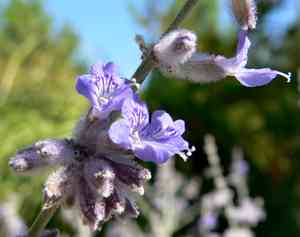
Russian sage is best propagated in the fall or winter using either cuttings or layering techniques. This procedure is relatively straightforward, and the emergence of new shoots signifies successful propagation. Applying rooting hormone to the cuttings can improve the chances of success.
What Is the Best Time To Propagate Russian Sage?
Propagation Type
Cutting
Propagation Season
Autumn,Winter
What Tools Are Used in Russian Sage Propagation?
Pruning Shears
Pruning shears are vital for obtaining healthy, precise cuts from russian sage. A sharp pair minimizes harm to both the parent plant and the cutting, which is critical for the cutting's survival. Proper cuts improve the cutting's ability to form roots and lower disease risk.
Rooting Hormone
Rooting hormone stimulates root growth on russian sage cuttings. This aid boosts the likelihood of successful rooting, often the most challenging aspect of plant propagation, especially for woody plants like russian sage.
Sterile Potting Mix
A sterile potting mix offers a pathogen-free substrate for russian sage cuttings to root. Good drainage and air circulation in the mix are key factors that aid root development and help prevent rot and fungal infections.
Propagation Tray
Propagation trays assist in maintaining ideal humidity and temperature conditions for russian sage cuttings to root. Trays with a clear dome can create a greenhouse effect, sustaining a stable environment conducive to rooting.
Heat Mat
Heat mats gently warm the rooting zone of russian sage cuttings, promoting quicker root development and higher propagation success rates. Consistent bottom heat can be particularly beneficial, as russian sage can profit from slightly elevated soil temperatures during root formation.
Misting Spray Bottle
A misting spray bottle enables gentle watering that won't disturb newly planted russian sage cuttings. Misting helps maintain adequate moisture levels around the cuttings, crucial for encouraging root growth without causing waterlogging.
Labels and Marker
Labels and markers are important for clearly identifying russian sage cuttings, especially when propagating multiple varieties or similar-looking plants. Proper labeling ensures accurate tracking of growth progress and care requirements during the propagation phase.
How to Care for Your Newly Propagated Russian Sage?
How to Care for Your Newly Propagated Russian Sage?
Russian sage prefers full sun and thrives in well-draining soils. Once established, it is drought tolerant, needing minimal watering. After propagation, when the plant has been transplanted, apply a balanced, slow-release fertilizer annually and prune back in early spring to encourage bushier growth and maintain its shape.
Common Mistakes to Avoid When Propagating Russian Sage
Overwatering cuttings
Excessive water can lead to root rot and fungal diseases, hindering russian sage's delicate roots from developing properly during the propagation process.
Planting cuttings too deep
Inserting cuttings too far into the soil can deprive them of necessary oxygen, leading to decay before establishment.
Using non-sterile tools
Propagation with contaminated tools can introduce pathogens to russian sage, resulting in poor growth or disease.
Ignoring humidity needs
Not providing a humid environment for russian sage's cuttings can lead to desiccation and failure to root.
Neglecting to remove lower leaves
Failing to remove leaves from the lower part of the cuttings can cause them to rot when in contact with the moist propagation medium.
Tips For Propagating Russian Sage
Use sharp, clean cuttings tools
Ensuring tools are sterilized before taking russian sage cuttings helps prevent disease transmission.
Provide appropriate lighting
While rooting, russian sage cuttings require bright, indirect light to encourage growth without drying out or burning the tender new growth.
Monitor moisture level
Keep the soil moist but not waterlogged to support russian sage's root development without risking rot.
Use rooting hormone
Applying rooting hormone to the cut end of russian sage cuttings can enhance root formation and increase the chances of successful propagation.
Create humidity
Covering russian sage cuttings with a plastic bag or placing them in a propagator can help maintain the necessary humidity levels for rooting.



