How to Propagate Egyptian starcluster?
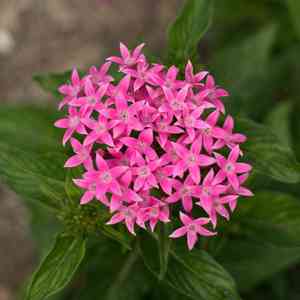
Pentas lanceolata is best propagated via cuttings in the spring and summer seasons. Its propagation presents a moderate level of challenge. The emergence of new foliage signifies successful rooting. Maintain a consistently damp and warm environment for the cuttings.
When Is the Optimal Time to Propagate Egyptian Starcluster?
Propagation Method
Cuttings
Propagation Period
Spring, Summer
What Equipment Is Used for Egyptian Starcluster Propagation?
Sharp pruning shears
A pair of keen pruning shears is vital for taking cuttings from egyptian starcluster. The clean, sharp blades ensure a precise cut, minimizing harm to the parent plant and fostering healthy root development in the cuttings. Accurate cuts help reduce disease risk and enhance propagation success.
Rooting hormone
Applying rooting hormone to the cut ends of egyptian starcluster cuttings encourages root formation and boosts the overall success of the propagation process. Rooting hormone contains compounds that mimic natural plant hormones, promoting faster and stronger root establishment.
Sterile potting mix
A sterile potting mix offers a clean, pathogen-free environment for egyptian starcluster cuttings to root. This lowers the risk of soil-borne diseases affecting the young plants. It also ensures proper drainage and aeration, crucial for new root development.
Propagation tray with domes
These trays create an ideal setting for egyptian starcluster cuttings to root by maintaining high humidity and stable temperatures. The clear domes allow light penetration while preserving moisture around the cuttings, which is essential for encouraging root growth.
Heat mat
Placed beneath the propagation tray, a heat mat provides bottom warmth, which can significantly enhance root development in egyptian starcluster cuttings. Consistent heat stimulates root growth and can lead to a higher rate of successful propagation.
Watering can with a fine rose
A watering can equipped with a fine rose attachment permits gentle irrigation of egyptian starcluster cuttings without disturbing the soil or damaging delicate new roots. The fine spray delivers uniform moisture, critical for preventing cuttings from drying out and promoting root development.
How to Propagate Egyptian Starcluster?
Propagation Method
Cuttings
Difficulty Level
Easy
How to Care for Your Newly Propagated Egyptian Starcluster?
How to Care for Your Newly Propagated Egyptian Starcluster?
After propagation, gradually introduce egyptian starcluster to its new surroundings by incrementally increasing exposure to its permanent conditions. Ensure it receives bright, indirect sunlight and maintain consistent watering to keep the soil uniformly moist but not waterlogged. Fertilize egyptian starcluster with a balanced, water-soluble fertilizer according to package directions to support growth. Regularly inspect for and address any signs of pests or diseases. As egyptian starcluster matures, pinch back stem tips to encourage bushier growth and more blooms.
Common Errors to Avoid When Propagating Egyptian Starcluster
Overwatering cuttings
Excessive watering can lead to root rot and fungal infections, compromising the health of developing roots in egyptian starcluster's cuttings. It hinders successful root establishment due to lack of oxygen and too much moisture.
Using non-sterile tools
Propagating with unclean tools can transmit diseases to egyptian starcluster, hindering its growth or killing the cutting before roots can form.
Ignoring pest prevention
Egyptian starcluster cuttings are susceptible to pests, which can quickly harm or destroy tender new growth. Failing to monitor and prevent pests can result in unsuccessful propagation.
Neglecting humidity needs
Egyptian starcluster cuttings require consistent humidity levels to root correctly. Ignoring these requirements can lead to desiccation and propagation failure.
Planting cuttings too deeply
Inserting egyptian starcluster's cuttings too far into the soil can cause them to rot before they can root. It also deprives the base of necessary air circulation.
Choosing weak parent plants
Propagating from a diseased or feeble parent plant will typically result in weak offspring, poor growth, and potentially the transmission of diseases to the egyptian starcluster cuttings.
Tips For Propagating Egyptian Starcluster
Use healthy and vigorous parent plants
Selecting a robust parent plant ensures that egyptian starcluster cuttings possess a strong genetic foundation, which is crucial for successful growth and development.
Maintain proper moisture levels
Achieving the correct balance between moisture and drainage is key. Egyptian starcluster cuttings need to be moist but not saturated to encourage root growth without risking rot.
Sterilize equipment
Using sterilized tools prevents the spread of diseases to egyptian starcluster cuttings, which is essential for healthy propagation.
Provide adequate light
Ensuring egyptian starcluster cuttings receive sufficient indirect light supports photosynthesis and energy production, necessary for root development.
Rooting hormone application
Applying a rooting hormone can stimulate root growth in egyptian starcluster cuttings, improving propagation success rates.
Monitor humidity levels
Maintaining a consistent humid environment around egyptian starcluster cuttings helps prevent them from drying out before roots can establish.



