How to Propagate Foxglove beardtongue?
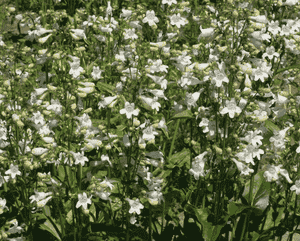
The optimal period for propagating foxglove beardtongue is during the spring and summer, with stem cuttings being the favored technique. This propagation process presents a moderate challenge, and the emergence of new foliage signifies successful root development. Choose robust shoots with precision for cuttings to enhance the likelihood of success.
When Is the Optimal Time to Propagate Foxglove Beardtongue?
Propagation Method
Cuttings
Propagation Period
Spring, Summer
What Equipment Is Used for Foxglove Beardtongue Propagation?
Sharp Pruning Shears
Pruning shears are crucial for taking cuttings from foxglove beardtongue. A sharp, clean blade is necessary to ensure a precise cut without damaging the parent plant or the cutting. This minimizes the risk of infection and improves the chances of successful rooting.
Rooting Hormone Powder
Rooting hormone powder encourages root development on foxglove beardtongue's cuttings. By dipping the cut end of the cutting into the hormone, it stimulates root growth at a faster rate, increasing the chances of successful propagation.
Sterile Potting Mix
A sterile potting mix is vital to provide a disease-free environment for the cuttings of foxglove beardtongue to root. This medium should offer adequate drainage and support to the cutting while it establishes a root system.
Propagation Tray
A propagation tray is used to hold the potting mix and maintain a proper environment for foxglove beardtongue's cuttings. Trays with individual cells are beneficial as they prevent the roots from tangling and make it easier to transplant the cuttings once rooted.
Humidity Dome
A humidity dome can be placed over the propagation tray to maintain a high humidity level, which is crucial for preventing foxglove beardtongue's cuttings from drying out before they can establish roots. A dome also reduces the water loss through transpiration.
Heating Mat
A heating mat, placed under the propagation tray, provides a consistent and optimal temperature, which can enhance the rooting success of foxglove beardtongue's cuttings, particularly during cooler months or in cooler climates.
Perlite or Vermiculite
Adding perlite or vermiculite to the potting mix can improve the aeration and drainage of the medium, which are critical factors in preventing root rot and promoting healthy root development for foxglove beardtongue's cuttings.
How to Propagate Foxglove Beardtongue?
Propagation Method
Cuttings
Difficulty Level
Easy
How to Care for Your Newly Propagated Foxglove Beardtongue?
How to Care for Your Newly Propagated Foxglove Beardtongue?
After propagation, ensure the young foxglove beardtongue plants are potted in well-draining soil and placed in a location with full sun to partial shade. Water moderately to maintain evenly moist soil, taking care not to overwater. Fertilize with a balanced, all-purpose fertilizer according to label instructions. Protect foxglove beardtongue from extreme weather conditions and keep an eye on pests or disease. As the plants establish, begin to decrease the frequency of watering to encourage strong root development.
Common Mistakes to Avoid When Propagating Foxglove Beardtongue
Overwatering cuttings
Keeping the soil too wet can cause the cuttings of foxglove beardtongue to rot before they have a chance to root. Too much water can also promote fungal diseases, which are detrimental to young plants.
Cutting size
Using cuttings that are either too large or too small can inhibit the rooting process. It's important for the cuttings to be just the right size to balance moisture retention and allow enough surface area for root initiation.
Ignoring hygiene
Using contaminated tools or pots can introduce pathogens to the cuttings of foxglove beardtongue. This can lead to infections that could kill young plants before they're able to establish proper roots.
Neglecting aftercare
Once cuttings of foxglove beardtongue have rooted, they often require a period of acclimatization. A common mistake is to provide the same conditions as during the rooting phase or to plant them out too early without hardening off.
Improper soil mix
Using an inappropriate soil mix can prevent the cuttings of foxglove beardtongue from rooting effectively. A mix that is too dense can limit air flow and a mix that's too light may not retain enough moisture for roots to form.
Tips For Propagating Foxglove Beardtongue
Cutting selection
Choose healthy, non-flowering stems for cuttings to ensure that the plant's energy goes into root development rather than bloom production.
Rooting hormone
Applying a rooting hormone to the cut end of the cutting can stimulate root growth and increase the chances of successful propagation for foxglove beardtongue.
Soil moisture
Maintain consistent moisture in the soil, but ensure it is well-draining. Overwatering can lead to rot, while under-watering can cause the cuttings to dry out.
Indirect light
Provide foxglove beardtongue cuttings with bright, indirect light. Direct sunlight can be too intense and may dry out the cuttings before they have a chance to take root.
Temperature control
Keep the cuttings of foxglove beardtongue at a stable temperature. Extreme temperature fluctuations can stress the young plants, potentially impacting root development.



