How to Propagate Rose geranium?
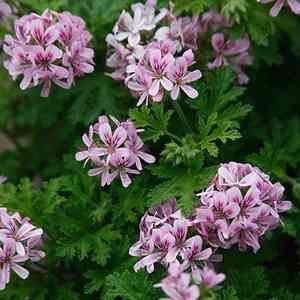
The most effective period for propagating Rose geranium is in the spring and summer months, utilizing cuttings. This procedure is quite straightforward, with root development typically occurring within 3-4 weeks. The emergence of robust, verdant shoots indicates successful propagation. For the best outcomes, ensure the use of a growing medium that drains efficiently.
When Is the Best Time to Propagate Rose Geranium?
Propagation Method
Cutting
Propagation Period
Spring, Summer
What Tools Are Needed for Rose Geranium Propagation?
Sharp Scissors or Pruning Shears
These implements are vital for obtaining cuttings from rose geranium. They must be sufficiently sharp to ensure a clean incision, preventing stem crushing or damage. A clean cut is essential for avoiding infection and promoting healthy root development during the cutting propagation process.
Rooting Hormone Powder or Gel
The rooting hormone aids in stimulating root growth from rose geranium cuttings. Applying the hormone to the cut end can enhance success rates by encouraging quicker root initiation, leading to a more robust and viable new plant.
Sterilizing Agent (e.g., Alcohol or Bleach Solution)
Sterilizing cutting tools prior to use minimizes the risk of disease transmission to rose geranium. A clean propagation environment is crucial for preventing fungal or bacterial infections that could hinder the cutting's ability to root and grow.
Plant Pots or Trays
These serve as containers where rose geranium cuttings can be placed for rooting. They should possess adequate drainage to prevent waterlogging, which can cause rotting of new root tips as they form.
Potting Mix or Soilless Propagation Medium
An appropriate substrate, such as a blend of peat and perlite, offers the necessary support and aeration for rose geranium cuttings while they develop roots. The medium should be kept moist but not saturated to encourage root growth without causing decay.
Misting Bottle
Regular misting with water helps maintain humidity around rose geranium cuttings, which is beneficial for preventing leaves from drying out before roots have had a chance to form. High humidity can significantly improve the success rate of cuttings.
Plastic Cover or Propagation Dome
Covering the plant pots or trays with a plastic lid or dome creates a greenhouse-like environment, maintaining high humidity and a stable temperature around rose geranium cuttings, thereby fostering better root development.
Heating Mat (Optional)
For rose geranium, utilizing a heating mat beneath propagation trays can encourage root growth by providing a consistent and suitable temperature. This can be particularly advantageous in cooler climates or during colder months.
How to Propagate Rose Geranium?
Propagation Method
Cutting
Difficulty Level
Easy
How to Care for Your Newly Propagated Rose Geranium?
How to Care for Your Newly Propagated Rose Geranium?
Once the rose geranium has established roots, transfer it to a larger container if necessary, taking care not to disturb the root system. Position the plant in a sunny spot, as rose geranium prefers full sun to partial shade and requires at least 4-6 hours of sunlight daily. Water when the top inch of soil feels dry, avoiding excessive watering to prevent root rot. Fertilize with a balanced, water-soluble fertilizer once a month during the active growing season. Prune regularly to promote bushiness and prevent leggy growth. Be vigilant for pests like aphids and treat them promptly if they appear. During winter, reduce watering and refrain from fertilizing, as rose geranium enters a dormant period. With proper care, rose geranium will grow vigorously and can provide aromatic foliage and occasional delicate blooms.
Common Mistakes to Avoid When Propagating Rose Geranium
Overwatering cuttings
Excessive watering of rose geranium cuttings can lead to root rot, diminishing the chances of successful propagation. Saturated soil reduces oxygen supply to the roots, which is crucial for the development of new plants from cuttings.
Not using sharp tools
Employing dull tools to take cuttings from rose geranium might damage plant tissues, which increases the risk of infection and reduces the cuttings' ability to develop roots.
Cuttings too large
Taking overly large cuttings can make it difficult for rose geranium to sustain the cutting until it develops sufficient roots; therefore, a smaller cutting with fewer leaves is less demanding and can root more successfully.
Ignoring leaf nodes
Failing to include a leaf node, where the leaf connects to the stem, in the cuttings can be a mistake since this is often where roots are most likely to develop in rose geranium.
Planting cuttings too deep
Planting rose geranium cuttings too deeply can cause the cutting to rot before it has a chance to establish roots. It can also restrict necessary airflow to the cutting.
Tips For Propagating Rose Geranium
Sterilize equipment
Ensuring that all cutting tools are sterilized before taking cuttings from rose geranium prevents the spread of disease and increases the success rate of propagation.
Ideal cutting size
For rose geranium, cuttings should typically be about 4-6 inches long, with several sets of leaves for optimal growth potential.
Proper cutting angle
Taking cuttings at a 45-degree angle increases the surface area for root growth and helps to ensure a larger area for the intake of water and nutrients for rose geranium.
Use rooting hormone
Dipping the cut end of rose geranium cuttings in rooting hormone can stimulate faster and more reliable root development.
Suitable growing medium
Using a well-draining soil mix or a sterile propagation medium can help prevent diseases and provide an optimum environment for the rooting of rose geranium cuttings.
Proper moisture levels
Maintaining moist but not waterlogged conditions for rose geranium cuttings is crucial to encourage rooting without causing decay or fungal growth.
Balanced light conditions
Providing bright, indirect light aids in the healthy growth of rose geranium cuttings without the risk of scorching them with excessive direct sunlight.



