How to Propagate Parsnip?
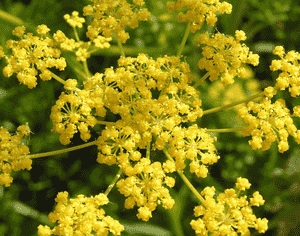
Parsnip is most effectively multiplied by planting seeds in the springtime. Its propagation presents a medium level of challenge. Indicators of successful propagation encompass the sprouting of seeds and the development of juvenile plants. Consistent irrigation fosters robust development.
Optimal Time for Parsnip Propagation
Propagation Method
Seeding
Propagation Period
Spring
Essential Tools for Parsnip Propagation
Seed trays
Seed trays are fundamental for planting parsnip seeds. They offer a controlled setting, enabling precise spacing and depth for seeds. These trays ensure delicate parsnip seeds aren't planted too deep and promote good air circulation, preventing fungal issues that could hinder germination.
Potting soil or seed starting mix
A premium, well-draining potting soil or seed starting mix is vital for parsnip germination. This medium supplies necessary nutrients and supports proper moisture retention. Its light texture aids in developing robust root systems, a key element for successful parsnip propagation.
Plant labels or markers
Plant labels are crucial for identifying parsnip during its early growth, especially when propagating various plant types simultaneously. Accurate labeling prevents confusion and guarantees that parsnip's specific needs are met during the critical germination phase.
Watering can with a fine rose
A watering can equipped with a fine rose attachment delivers gentle, even watering, which is essential to keep parsnip seeds moist without disturbing them with a direct, strong water flow. Consistent moisture is critical for seed germination, and a fine rose helps maintain appropriate water levels.
Clear plastic dome or cover
A clear plastic dome or cover can establish a mini-greenhouse effect over the seed tray, sustaining high humidity and stable temperatures, both important for parsnip germination. This tool also prevents rapid soil drying and reduces the need for frequent watering.
Grow lights or a sunny window
For indoor parsnip propagation, grow lights offer a steady light source with adjustable intensity and duration, fostering strong, healthy seedling growth. If grow lights are unavailable, placing seed trays near a sunny window can also work. Sufficient light is crucial for photosynthesis, which drives seedling development.
Steps to Propagate Parsnip
Propagation Method
Seeding
Difficulty Level
Simple
Post-Propagation Care for Parsnip
Post-Propagation Care for Parsnip
Following propagation, parsnip requires consistent moisture, particularly during its active growth phase, for proper development. Applying mulch around plants can help retain moisture and suppress weeds. Avoid excessive fertilization, as it can lead to misshapen roots. Monitor parsnip for pests like carrot fly, and take appropriate action if detected. When foliage starts to die back near the end of the growing season, parsnip can be harvested. For storage, keep parsnip in a cool, dry place, or leave it in the ground until needed, as it tolerates frost well.
Common Errors to Avoid When Propagating Parsnip
Deep sowing
Parsnip seeds can be slow to germinate, and planting them too deep might prevent seedlings from breaking through the soil surface. This can lead to poor or failed germination.
Overcrowding
Planting parsnip seeds too close together can result in competition for nutrients, light, and space, impeding overall growth and root development.
Excessive watering
While soil must remain moist for parsnip seeds to germinate, overwatering can create waterlogged conditions, potentially causing seeds to rot before they can sprout.
Ignoring soil structure
Preparing a fine, crumbly, and stone-free seedbed is vital for parsnip, as any obstruction can cause roots to 'fork,' making them misshapen and less desirable.
Neglecting seed viability
Using old or improperly stored seeds may lead to low germination rates, as parsnip seeds have a relatively short shelf-life and quickly lose their ability to sprout.
Tips for Propagating Parsnip
Soil preparation
Ensuring the soil is well-tilled and free of stones is crucial for straight parsnip root growth. Amend the soil with well-rotted organic matter to enhance its structure without making it overly rich.
Adequate spacing
Parsnip seeds should be sown thinly with ample space between rows to allow for proper root expansion and to facilitate easier thinning later, which is important for root development.
Appropriate sowing depth
Parsnip seeds should be sown shallowly, about 1-2 cm deep, to ensure sufficient light and warmth can trigger germination without seedlings struggling to reach the surface.
Consistent moisture
Maintaining steady soil moisture is critical for parsnip seed germination. Use a fine spray to water the soil to avoid washing away or burying seeds deeper.
Thinning seedlings
Once seedlings have emerged and are large enough to handle, they should be thinned to prevent overcrowding. This ensures each parsnip plant has enough space to develop a healthy root.



