How to Propagate Maypop?
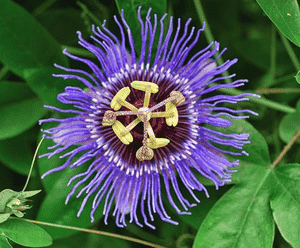
Maypop can be reproduced using soft stem sections during the spring or summer seasons. This technique is quite straightforward, and successful rooting is indicated by the development of robust root structures within a few weeks. It is crucial to keep the cuttings damp and prevent prolonged exposure to intense sunlight.
Optimal Time for Maypop Propagation
Propagation Method
Cutting
Propagation Period
Spring, Summer
Tools for Maypop Propagation
Sharp pruning shears or knife
Crucial for taking maypop cuttings, ensuring clean cuts without harming plant tissues. This is vital for the parent plant's health and cutting viability.
Rooting hormone powder or gel
Applied to the cut end of maypop cuttings, it encourages root development and boosts propagation success. It also helps protect cuttings from disease while rooting.
Sterilizing agent (e.g., rubbing alcohol)
Used to sanitize cutting tools before use, preventing disease transmission to maypop. Sterility is essential for successful propagation and plant well-being.
Propagation trays
Designed to securely hold maypop cuttings, offering ample space and support. They often feature built-in drainage holes.
Perlite, vermiculite, or peat moss
These materials provide good aeration and moisture retention, crucial for maypop cutting root development, while minimizing rot risk.
Plastic domes or covers
Creates a moist microclimate for maypop cuttings, beneficial for preventing moisture loss and ensuring a higher rooting success rate.
Heat mats (optional)
Providing warmth from below can accelerate rooting in maypop cuttings by maintaining an ideal soil temperature, especially in cooler environments.
Misting system or spray bottle
Helps keep the air around maypop cuttings humid, which is vital for preventing the delicate new roots from drying out during the rooting phase.
How to Propagate Maypop?
Propagation Method
Cutting
Difficulty Level
Easy
Caring for Your Newly Propagated Maypop
Caring for Your Newly Propagated Maypop
After propagation, maypop needs full sun to partial shade and well-drained soil. Water regularly, especially during dry spells, but allow the soil to dry slightly between waterings. Fertilize with a balanced, water-soluble fertilizer as per instructions during the growing season. Provide support for climbing if needed. Protect from frost and prune to maintain shape and health. Monitor for pests and diseases, treating promptly with appropriate methods.
Common Mistakes to Avoid When Propagating Maypop
Overwatering
Excessive watering can cause root rot in maypop, which thrives in well-drained soil. Too much moisture reduces oxygen, leading to root suffocation and death.
Deep planting
Planting maypop cuttings or seeds too deep can hinder their ability to sprout and establish. Maypop requires light for optimal germination and rooting.
Neglecting root space
Insufficient space for maypop's root development can restrict growth and reduce plant vigor, as roots need room to expand.
Overlooking disease control
Ignoring disease prevention can lead to pathogen spread, which can be detrimental to maypop cuttings or seedlings.
Ignoring cutting health
Using unhealthy or diseased cuttings for propagation can result in poor growth or failure to root, due to the parent material's lack of vigor.
Tips For Propagating Maypop
Clean utensils
Using sterilized tools for cutting minimizes disease transmission risk to maypop, promoting healthier growth.
Appropriate medium
Selecting a well-draining propagation medium helps prevent overwatering and supports healthy root formation.
Indirect lighting
Providing bright, indirect light encourages maypop cuttings to root and seeds to germinate without damage from intense direct sunlight.
Humidity maintenance
Maintaining a humid environment around maypop cuttings helps prevent drying out until roots are established.
Gentle handling
Careful handling of maypop cuttings and seeds is crucial to avoid damaging delicate tissues, which could negatively impact root development.



