How to Propagate Common passionfruit?
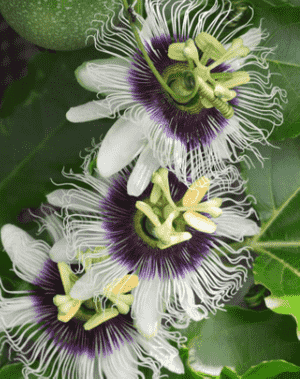
The propagation of common passionfruit is typically achieved via softwood cuttings during the Spring and Summer seasons. This method is quite straightforward, with indicators of successful establishment being the emergence of new roots and shoots. During the propagation process, it is crucial to utilize sanitized tools and to ensure an appropriate cultivation setting that offers sufficient humidity and illumination.
Optimal Period for Propagating Common Passionfruit
Propagation Method
Cutting
Propagation Period
Spring, Summer
Tools Required for Common Passionfruit Propagation
Sharp pruning shears or scissors
Used for obtaining cuttings from the common passionfruit; precise, clean cuts prevent harm to the parent plant and encourage superior root development on the cuttings. Sterilized, sharp blades reduce disease transmission risk.
Rooting hormone powder or gel
Promotes root formation in common passionfruit cuttings by stimulating growth. This increases the likelihood of successful rooting and establishment of the cuttings upon transplanting.
Peat pots or small containers
Utilized for housing common passionfruit cuttings during the rooting phase. Peat pots are particularly advantageous as they can be directly planted, minimizing transplant shock.
Perlite or vermiculite
Additives that enhance air circulation and drainage when mixed with potting soil, creating an ideal setting for common passionfruit cuttings to root without decay.
Plastic bags or humidity domes
Establish a moist atmosphere around common passionfruit cuttings to prevent dehydration. Consistent humidity is vital for cutting survival before root establishment.
Heating mat (optional)
Supplies gentle warmth from below to accelerate root growth in common passionfruit cuttings, especially beneficial in cooler climates or during colder seasons.
Watering can with a fine rose or misting bottle
Ensures gentle irrigation of common passionfruit cuttings without dislodging soil or harming nascent roots. Misting aids in maintaining adequate humidity levels around the cuttings.
How to Propagate Common Passionfruit?
Propagation Method
Cutting
Difficulty Level
Easy
Caring for Your Newly Propagated Common Passionfruit
Caring for Your Newly Propagated Common Passionfruit?
After propagation, common passionfruit should be kept in conditions mirroring its natural environment. Position the plant in an area with full sun to partial shade and shield it from strong winds. Continue regular watering, allowing the soil to dry slightly between waterings. Fertilize with a balanced, water-soluble feed every two to four weeks during the active growth period. Periodically prune common passionfruit vines to maintain shape and encourage fruit production. Monitor for pests and diseases, and implement necessary control measures. As a climbing vine, common passionfruit will need support like a trellis or fence for healthy growth and fruit yield.
Common Errors to Avoid When Propagating Common Passionfruit
Excessive watering
Too much moisture can lead to root rot in common passionfruit cuttings. Overwatering during the rooting process can foster an environment conducive to fungal diseases, potentially killing the cuttings before they can establish roots.
Using blunt cutting implements
Cutting common passionfruit with unsterilized or dull tools can harm plant tissues and introduce pathogens, hindering successful rooting and leading to disease.
Ignoring soil makeup
Planting common passionfruit cuttings in unsuitable soil can impede root development. A soil mix that drains poorly or lacks sufficient aeration can prevent roots from receiving necessary oxygen, resulting in poor plant health.
Neglecting cutting vitality
Utilizing diseased or weak cuttings from common passionfruit plants will yield unsatisfactory propagation outcomes. Unhealthy cuttings are less likely to root and develop into robust plants.
Advice for Propagating Common Passionfruit
Utilize healthy parent plants
Select vigorous and disease-free common passionfruit plants as sources for cuttings. Healthy parent plants will provide cuttings with a greater chance of successful rooting and growth into strong plants.
Prepare cuttings appropriately
Ensure common passionfruit cuttings have at least 2-3 nodes and are taken from semi-hardwood stems. This boosts the potential for root growth and propagation success.
Provide adequate humidity
Maintain a high humidity environment for common passionfruit cuttings to prevent them from drying out before root development. Enclosing cuttings in a plastic bag or using a humidity dome can help achieve the required conditions.
Monitor for pests and diseases
Regularly inspect common passionfruit cuttings for indications of pests or diseases. Early detection and treatment can prevent spread and salvage the propagation effort from failure.



