How to Propagate Bracted passionflower?
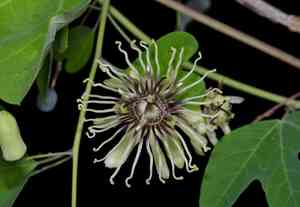
Passiflora bracteosa belongs to the Passifloraceae family, recognized for its elaborate blossoms and robust development. For reproduction, employing robust stem sections is advisable. Confirm that sections are harvested from recent growth, preferably directly beneath a foliar joint, and embed them in a substrate that drains efficiently. Maintain dampness and a warm atmosphere for the sections to stimulate root formation. This technique proves exceptionally successful, yielding thriving new specimens.
What Is the Best Time To Propagate Bracted Passionflower?
Propagation Type
Cutting
Propagation Season
Spring,Summer
What Tools Are Used in Bracted Passionflower Propagation?
Sharp Pruning Shears
Sharp pruning shears are crucial for making clean cuts on stem sections from bracted passionflower. A clean cut minimizes plant tissue damage, lowering infection risk and promoting faster healing and root growth.
Rooting Hormone
Rooting hormones, typically in powder, liquid, or gel form, aid in stimulating root development in bracted passionflower cuttings. These hormones encourage quicker and stronger root formation, vital for successful propagation.
Sterilized Potting Medium
A sterilized potting medium offers a disease-free environment for bracted passionflower cuttings to root. This medium usually balances moisture retention and aeration, supporting healthy new root development.
Propagation Tray or Pots
Propagation trays or small pots provide a controlled setting for rooting bracted passionflower cuttings. These containers help maintain ideal moisture levels and simplify monitoring root development progress.
Humidity Dome or Plastic Bag
A humidity dome or plastic bag helps create a moist environment for bracted passionflower cuttings, reducing water loss through transpiration and assisting root formation. High humidity is especially beneficial during initial propagation stages.
Heat Mat
A heat mat placed beneath propagation trays can supply consistent, gentle bottom heat, which encourages root development in bracted passionflower. This is particularly useful in cooler climates or during colder months.
Spray Bottle
A spray bottle is used to mist bracted passionflower cuttings to maintain optimal humidity levels around the plant tissues. Keeping cuttings moist but not saturated is crucial for successful rooting.
How to Propagate Bracted Passionflower?
Propagation Type
Moderately Difficult
How to Care for Your Newly Propagated Bracted Passionflower?
How to Care for Your Newly Propagated Bracted Passionflower?
Once the cutting has developed a robust root system and new growth is observed, gradually acclimate the plant to outdoor conditions if potted indoors. Plant bracted passionflower in well-draining soil, and provide a structure for it to climb. Ensure adequate watering, avoiding waterlogging around the roots, and apply a balanced fertilizer during the growing season to support vigorous growth.
Common Mistakes to Avoid When Propagating Bracted Passionflower
Overwatering
Excessive moisture can lead to root rot, which severely hinders the propagation process and may kill bracted passionflower.
Inadequate Lighting
Insufficient light can impede the growth of bracted passionflower cuttings, causing them to become weak and elongated, reducing their chances of successful propagation.
Incorrect Soil Mix
Using heavy or poorly draining soil can cause waterlogging and root rot in bracted passionflower cuttings.
Improper Cutting Techniques
Taking cuttings that are too small or damaged can decrease the likelihood of successful rooting and development.
Lack of Humidity
Failing to maintain adequate humidity levels can cause the cuttings of bracted passionflower to dry out and fail to root.
Tips For Propagating Bracted Passionflower
Use Well-Draining Soil
Choose a light, well-draining soil mix to avoid waterlogging and provide optimal conditions for rooting.
Maintain Humidity
Cover the cuttings with a plastic bag or use a humidity dome to keep the environment humid, aiding in successful rooting.
Provide Adequate Light
Place the cuttings in a bright, indirect light location to ensure they receive enough light without being exposed to direct sunlight, which can be too harsh.
Take Healthy Cuttings
Select cuttings that are healthy, of appropriate size (about 4-6 inches long), and free from any disease or damage to improve propagation success.
Monitor Watering
Keep the soil slightly moist but not waterlogged. Ensure that the soil dries out between waterings to prevent root rot.



