How to Propagate Virginia creeper?
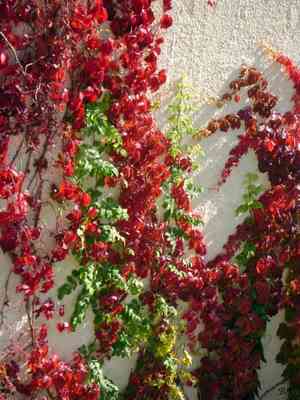
Virginia creeper can be reproduced in the spring and summer months through either softwood cuttings or the layering technique. The level of difficulty for propagation differs, but indicators of successful reproduction involve the emergence of new shoots and root development. Recommendations for effective propagation encompass the application of a rooting stimulant and ensuring adequate hydration and light exposure.
Optimal Period for Virginia Creeper Propagation
Propagation Type
Cutting
Propagation Season
Spring,Summer
Tools Required for Virginia Creeper Propagation
Sharp pruning shears or scissors
These implements are utilized for obtaining cuttings from virginia creeper. Their keen edges ensure a clean incision, minimizing harm to both the parent plant and the cutting, thereby enhancing rooting success.
Rooting hormone
This compound assists in stimulating root growth for virginia creeper cuttings. It encourages faster and more dependable root development, boosting the propagation success rate.
Sterilizing agent (e.g., alcohol or bleach solution)
Used for sanitizing cutting instruments prior to propagation to prevent disease transmission to virginia creeper. Sterilization is vital for preserving plant health and viability.
Potting mix
A well-draining potting medium offers the perfect growing substrate for virginia creeper cuttings. It supports proper root expansion and aeration, crucial for healthy propagation.
Plant pots or trays
Containers to hold the potting mix and cuttings are essential for rooting virginia creeper. They must have adequate drainage to prevent waterlogging, which can lead to root decay.
Plastic bags or humidity domes
These are employed to establish a moist atmosphere around virginia creeper cuttings, which helps prevent moisture loss and keeps the cuttings hydrated during the rooting phase.
Labels and markers
Crucial for identifying virginia creeper cuttings and monitoring their progress. Labels ensure propagators can track the cuttings' developmental stages and any specific care needs.
Watering can or misting bottle
For gently irrigating or misting virginia creeper cuttings. A misting bottle can provide hydration without disturbing newly planted cuttings, while a watering can might be used once cuttings have established some root growth.
Caring for Your Newly Propagated Virginia Creeper
Caring for Your Newly Propagated Virginia Creeper
Once virginia creeper cuttings have rooted and growth is apparent, gradually introduce them to standard growing conditions by slowly opening the plastic bag or propagator. Keep the soil consistently moist but not saturated, and position the plant in an area with partial to full sun exposure. As a vigorous grower, ensure virginia creeper has ample room to spread or provide support for climbing. Fertilize sparingly and inspect for pests or diseases. Prune as needed to shape and manage growth.
Common Errors to Avoid When Propagating Virginia Creeper
Overwatering cuttings
Excessive moisture can cause rot in virginia creeper cuttings, impeding root development and potentially killing the plant material.
Using diseased or weak stems
Selecting unhealthy stems for propagation can lead to poor root formation and growth, as these cuttings may lack the necessary vigor for successful rooting.
Planting cuttings too deep
Inserting virginia creeper cuttings excessively deep into the propagation medium can result in insufficient oxygen, which is vital for root formation.
Neglecting humidity
Failing to maintain high humidity around virginia creeper cuttings can lead to dehydration and rooting failure, as virginia creeper cuttings require a consistently moist environment to stimulate root growth.
Ignoring pests and diseases
Not monitoring virginia creeper cuttings for pests and diseases can jeopardize their health, as early infestations or infections can rapidly deteriorate young plants.
Advice for Propagating Virginia Creeper
Select healthy stems
Choose robust, disease-free stems from virginia creeper with at least a couple of nodes to ensure strong root development and a greater chance of successful propagation.
Correct moisture levels
Maintain a damp, but not waterlogged, medium for virginia creeper cuttings to encourage root growth without risking root rot.
Appropriate cutting length
Prepare cuttings of virginia creeper that are about 4-6 inches long, as this length is ideal for handling and provides adequate tissue for root initiation.
Humid environment creation
Create a humid environment for virginia creeper cuttings by covering them with a plastic dome or bag, which retains moisture and fosters rooting.
Regular pest and disease checks
Monitor virginia creeper cuttings regularly for signs of pests and diseases to address potential problems promptly and ensure the overall health of the propagating material.



