How to Propagate Arctic poppy?
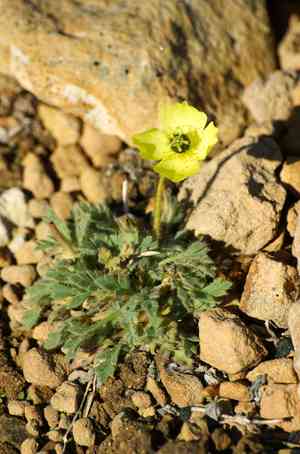
Arctic poppy flourishes when reproduced by means of seeding. For peak outcomes, utilize porous, sandy substrate and ensure complete sun exposure. Keep the soil uniformly damp, which is vital during the initial developmental phases. A lightweight, fertile surface layer of earth can boost development by supplying crucial nourishment. Careful handling during planting is essential because the seeds and nascent sprouts are fragile.
Optimal Time for Arctic Poppy Propagation
Propagation Method
Seeding
Propagation Period
Spring
Tools for Arctic Poppy Propagation
Seed trays
Seed trays are vital for planting arctic poppy seeds. They help organize seeds and create an ideal initial growth environment. Using seed trays allows for better control over soil conditions, crucial for arctic poppy's delicate early stages, ensuring even spacing and consistent soil and moisture.
Quality potting mix
A premium potting mix is essential for successful arctic poppy seed germination. The mix should drain well but retain enough moisture for germination. It provides necessary nutrients and aeration, promoting healthier root development and early growth, critical for arctic poppy's initial survival.
Misting bottle
A misting bottle is used to gently water arctic poppy seeds without disturbing them. Proper hydration is crucial during germination, and misting helps maintain necessary humidity around seeds, encouraging successful sprouting without washing seeds away or causing mold from excessive wetness.
Grow lights or cold frame
Since arctic poppy is adapted to Arctic conditions, grow lights or a cold frame can help replicate essential light exposure and temperature for its growth, especially in non-native environments or off-season. These tools provide consistent light and protect seedlings from extreme temperatures, enhancing the growth environment.
Labels and markers
Using labels and markers is important for recording information about arctic poppy seed sowing, such as date and specific care instructions. This ensures proper care schedules are followed, especially when propagating multiple species or varieties. Accurate labeling helps monitor development and implement timely care adjustments.
How to Propagate Arctic Poppy
Propagation Type
Simple
Caring for Newly Propagated Arctic Poppy
How to Care for Your Newly Propagated Arctic Poppy?
After propagation, water arctic poppy moderately, letting the soil dry slightly between waterings. Arctic poppy thrives in full sun to partial shade and cool temperatures. Protect young plants from harsh weather and maintain light soil moisture. Heavy fertilization is unnecessary; a light feeding once at the start of the growing season suffices. Deadhead spent flowers to encourage more blooms.
Common Propagation Mistakes for Arctic Poppy
Overwatering
Excessive watering can cause root rot and fungal infections, harming arctic poppy's health. The plant's natural environment promotes efficient water use, so too much moisture can disrupt its growth balance.
Too much warmth
Providing overly warm conditions can stress arctic poppy, as it naturally adapts to cooler climates. This can lead to poor germination and weak growth, reducing the plant's overall vitality.
Using poor draining soil
Using a soil mix that doesn't drain well is problematic for arctic poppy because its roots are susceptible to rot in stagnant water. Well-draining soil is crucial for healthy root development.
Tips for Propagating Arctic Poppy
Cold stratification
Implement a cold stratification process to mimic natural winter conditions, which aids in breaking dormancy and improving germination rates. This prepares arctic poppy seeds for more vigorous growth upon planting.
Light soil mix
Utilize a light, sandy soil mix that enhances drainage and imitates arctic poppy's native gritty substrates. This environment supports root growth and reduces the likelihood of fungal diseases.
Adequate light exposure
Ensure arctic poppy receives ample sunlight. While direct, intense sun may be scarce in its natural habitat, good light levels promote healthy growth and flowering.



