How to Propagate Paeonia Mascula?
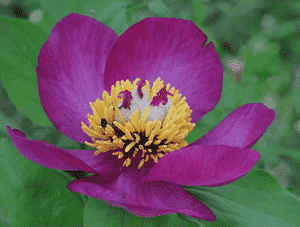
Hailing from the Mediterranean region, the wild peony is recognized for its substantial, aromatic blossoms and profoundly incised foliage. Reproduction is commonly accomplished via division, enabling cultivators to disseminate its allure. This procedure entails segmenting established plants by meticulously cleaving the root mass, making certain each segment possesses a growth point. Such a technique fosters a robust root structure and sustains the plant's vitality, facilitating the prosperous rearing of novel wild peony examples. Given appropriate attention, these divisions ought to flourish, replicating the attributes of the original plant.
Optimal Time for Wild Peony Propagation?
Propagation Method
Splitting
Propagation Period
Spring,Autumn
Tools for Wild Peony Propagation?
Garden Spade
This implement is vital for division, the main technique for multiplying wild peony. A robust, sharp garden spade helps in unearthing the plant with minimal harm to its root system. Its flat, broad blade is perfect for cleanly cutting through soil and roots, enabling efficient separation of root clumps.
Pruning Shears
Pruning shears serve to trim the foliage and roots of wild peony both before and after division. This aids in maintaining a manageable size and removing any unhealthy or surplus parts, fostering quicker recovery and stronger growth in newly propagated plants.
Rooting Hormone
Though not always essential, applying a rooting hormone to the cut surfaces of wild peony's roots can boost root development in new divisions. This product stimulates root growth and helps establish the divisions more rapidly, enhancing their survival rate.
Gardening Gloves
Wearing gardening gloves is crucial for safeguarding hands from dirt, sharp roots, and potential irritants found in the garden. They offer a better grip on tools and plant materials, which is key when handling and dividing the sturdy rootball of wild peony.
Watering Can with a Fine Rose
Post-planting, gentle watering is critical for helping the soil settle and providing necessary hydration to the newly planted divisions of wild peony. A watering can with a fine rose attachment ensures a soft, even water distribution, preventing any disruption to the placement of the divided plants.
How to Propagate Wild Peony?
Propagation Type
Simple
Caring for Your Newly Propagated Wild Peony?
Caring for Your Newly Propagated Wild Peony?
Once established, wild peony needs minimal attention. Ensure the soil drains well and add organic matter yearly to help retain moisture and nutrients. Shield from intense heat and direct afternoon sun. Mulch around the base to keep roots cool in summer. Water moderately, especially during dry spells, and avoid overhead watering to prevent leaf diseases. Check for common pests and diseases, such as peony wilt or botrytis.
Common Errors to Avoid When Propagating Wild Peony
Overwatering
Excessive watering of wild peony can lead to root rot, a condition where roots decay, hindering the plantâs ability to absorb nutrients and water. This error often results in plant death during propagation.
Using diseased plant material
If gardeners use diseased plant material for propagation, the new wild peony plants are likely to be unhealthy and may not survive. Always starting with healthy stock is essential for successful propagation.
Insufficient light
Inadequate light can result in weak and leggy growth, as wild peony requires good lighting conditions, especially when propagating cuttings or seedlings, to ensure vigorous and healthy development.
Planting too deeply
Burying wild peony seeds or roots too deep can impede germination and growth, as it may lack sufficient energy to push the sprout through the soil to reach light, thereby decreasing the propagation success rate.
Tips For Propagating Wild Peony
Use fresh seeds
Fresh seeds have a higher germination rate. Sow wild peony seeds as soon as possible after collecting to encourage successful propagation.
Maintain correct soil moisture
The soil for wild peony should be kept evenly moist but not waterlogged to create an optimal environment for root formation without the risk of rot.
Provide well-draining soil
Ensuring the soil has excellent drainage is vital for wild peony health, as it prevents water accumulation around the roots that can lead to rot and other diseases.
Mimic natural stratification
Wild peony seeds often require a period of cold stratification to break dormancy. Simulating this process can improve germination rates significantly.



