How to Propagate Little jewel?
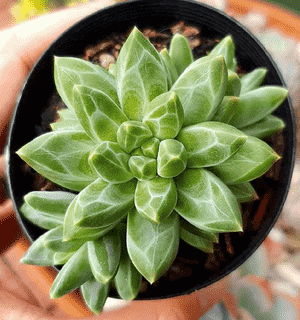
A succulent featuring leaves with a textured, jewel-like appearance, little jewel flourishes when reproduced via cuttings. Cultivators ought to choose a robust leaf, permitting the severed edge to harden for several days to avert decay. After hardening, positioning the leaf on porous soil and lightly spraying when arid stimulates root formation. A gentle pull on the leaf after a couple of weeks will reveal if roots have emerged. Perseverance is crucial, as little jewel may require time to become established.
Optimal Time for Little Jewel Propagation
Propagation Method
Cutting
Propagation Period
Spring,Summer
Tools for Little Jewel Propagation
Sharp, sterilized pruning shears or scissors
These are crucial for taking cuttings from little jewel. Sharp blades ensure a clean cut, minimizing harm to the parent plant and boosting the chances of successful rooting. Sterilized tools help prevent disease spread.
Rooting hormone powder or gel
This aids in the rapid development of roots from little jewel's cut segments. Rooting hormone enhances the plant's natural rooting process, increasing propagation success by encouraging quicker, more robust root growth.
Well-draining succulent or cactus potting mix
A specific potting mix for succulents is vital for little jewel, ensuring adequate drainage and air circulation around new roots. Such conditions are crucial for preventing root rot in moisture-sensitive plants like little jewel.
Small pots or propagation trays
These containers are used for planting new cuttings. Small sizes are ideal as they discourage overwatering by limiting soil volume, which can retain unnecessary moisture. Suitable for little jewel's initial root development stages.
Plastic bags or a humidity dome
Covering cuttings with a plastic bag or placing them under a humidity dome helps maintain adequate humidity levels around little jewel, crucial during root development. This microenvironment helps prevent cuttings from drying out.
How to Propagate Little Jewel?
Propagation Type
Easy
Caring for Your Newly Propagated Little Jewel
Caring for Your Newly Propagated Little Jewel
Once young roots and shoots have formed, keep little jewel in bright, indirect light and water sparingly. As they are drought-tolerant, allow the soil to dry out between waterings. Once established, transplant young plants to individual pots with succulent soil mix and gradually introduce them to more direct light, ensuring to avoid scorching the leaves. Maintain a temperate environment, protecting plants from extreme temperatures and frosts.
Common Mistakes to Avoid When Propagating Little Jewel
Overwatering
Excessive watering during little jewel propagation can lead to root rot and fungal diseases. This is because little jewel has succulent characteristics requiring minimal water to prevent waterlogged soil, which is detrimental to root development.
Using non-sterile tools
Propagating little jewel with unsterilized tools can introduce harmful pathogens to cuttings or the parent plant. This can result in infections that inhibit rooting and growth, or even cause plant death.
Improper lighting
Exposing little jewel to too much direct sunlight can scorch leaves, while too little light can weaken the plant and hinder successful propagation. Little jewel requires bright, indirect light for optimal growth and rooting.
Tips For Propagating Little Jewel
Correct soil mix
Use a well-draining soil mix that mimics little jewel's natural habitat. A mix of cactus soil with added perlite or pumice will improve drainage and aeration, critical for healthy root development during propagation.
Bottom watering
Practice bottom watering for little jewel cuttings to encourage roots to grow downward and strengthen. This method minimizes overwatering risk, as the plant will only absorb necessary water through capillary action.
Gentle handling
Handle little jewel leaves and cuttings gently during propagation. These parts are delicate and easily damaged, which can negatively affect rooting. Ensure cuttings are intact and leaves are cleanly removed to facilitate proper healing and growth.



