How to Propagate Mountain oxytrope?
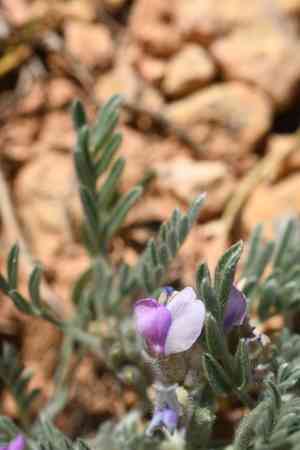
Mountain oxytrope flourishes in adequately drained earth under direct sunlight. Reproduction is most effectively accomplished by planting seeds in cultivated seedbeds. To achieve peak germination, abrade the seeds to overcome dormancy prior to shallow planting. Ensure continuous dampness without saturation, and relocate young plants once they have developed a strong root structure. Employ seed stratification when required to replicate environmental circumstances.
Optimal Period for Mountain Oxytrope Propagation
Propagation Method
Seeding
Propagation Period
Spring
Tools for Mountain Oxytrope Propagation
Seed Trays
Seed trays are crucial for planting mountain oxytrope seeds. They offer a controlled setting where moisture and warmth can be easily managed, ensuring ideal conditions for sprouting and early plant growth.
Seed Compost
Utilizing premium seed compost is essential for supplying vital nutrients and a well-draining medium for mountain oxytrope seeds. This aids in fostering robust root development and prevents waterlogging, which can harm seedling growth.
Humidity Domes
Humidity domes assist in maintaining the necessary humidity levels for mountain oxytrope germination. They establish a microenvironment that retains moisture and warmth, speeding up the germination process and boosting the success rate of seedling emergence.
Fine Watering Can or Misting Bottle
A fine watering can or misting bottle is vital for irrigating mountain oxytrope seeds. They deliver gentle and even moisture without dislodging the seeds, which is crucial to avoid harming delicate seedlings.
Labels and Markers
Labels and markers are important for tracking planting dates and the specific species being propagated. This ensures precise monitoring and care, especially when managing multiple plant varieties simultaneously.
Seed Collecting Envelopes
Envelopes specifically designed for seed collection help in securely storing mountain oxytrope seeds until planting. They shield the seeds from moisture and pests, preserving their viability.
Garden Sieves
Garden sieves are useful for removing larger particles from the seed compost. This creates a fine, even surface for mountain oxytrope seeds to be sown, improving contact with the soil and enhancing germination rates.
How to Propagate Mountain Oxytrope
Propagation Difficulty
Simple
Caring for Your Newly Propagated Mountain Oxytrope
Caring for Your Newly Propagated Mountain Oxytrope
Once seedlings have developed true leaves, transfer them to individual pots with good drainage. Gradually introduce young plants to outdoor conditions if planting outside, ensuring they get full to partial sun. Water consistently but moderately, making sure the soil never becomes waterlogged. Check for pests and address them quickly. Apply mulch around plants to retain moisture and regulate soil temperature. Monitor growth and provide support as needed.
Common Errors to Avoid When Propagating Mountain Oxytrope
Improper Soil Preparation
Using soil that is too dense or poorly drained can impede root growth and lead to root rot.
Overwatering
Excessive irrigation can suffocate roots and encourage fungal diseases.
Incorrect Light Conditions
Placing the plant in areas with insufficient sunlight can result in weak development.
Poor Seed Selection
Choosing non-viable or damaged seeds reduces the likelihood of successful germination.
Ignoring Seed Stratification
Failing to provide a cold stratification period can prevent seeds from breaking dormancy and sprouting.
Tips For Propagating Mountain Oxytrope
Use Well-Drained Soil
Ensure the soil mixture drains well to prevent water from accumulating around the roots.
Moderate Watering
Water the plant sparingly, allowing the soil to dry out slightly between watering sessions.
Provide Adequate Sunlight
Place the plant in a location where it can receive ample direct sunlight to promote healthy growth.
Select High-Quality Seeds
Choose viable seeds from a reputable source to enhance the chances of successful germination.
Cold Stratification
Expose the seeds to a cold, moist environment for several weeks to break dormancy before planting.



