How to Propagate Pink-sorrel?
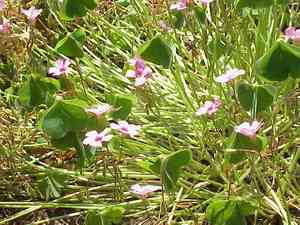
Oxalis articulata reproduces mainly via adventitious buds that emerge on its stalks. This technique yields the best results during the prime propagation period of Spring, Summer, and Autumn. The level of difficulty for propagation is moderate, and indicators of successful propagation involve the emergence of fresh shoots and roots. A crucial propagation recommendation is to ensure the young plant remains hydrated throughout the rooting phase.
What Is the Best Time To Propagate Pink-sorrel?
Propagation Type
Stem Buds
Propagation Season
Spring, Summer, Autumn
What Tools Are Used in Pink-sorrel Propagation?
Sharp Pruning Shears
Crucial for taking healthy cuttings from pink-sorrel, sharp pruning shears ensure a clean cut that promotes better healing and reduces the risk of disease. A clean cut is crucial as it helps to prevent damage to the parent plant and establishes a good start for the cutting.
Sterilizing Solution
Used to clean the pruning shears before and after taking cuttings of pink-sorrel, a sterilizing solution prevents the transmission of diseases between plants. This is especially important when propagating to ensure the cuttings are free from pathogens that could hinder growth.
Rooting Hormone
When applied to the cut end of pink-sorrel cuttings, rooting hormone accelerates root development and increases the chances of successful propagation. This is particularly beneficial for stimulating the growth of healthy roots in the adventitious buds from stems.
Misting Spray Bottle
Provides the necessary humidity for pink-sorrel cuttings during the initial stages of propagation. Keeping the cutting moist is vital to prevent it from drying out and to support the development of new roots.
Well-draining Potting Mix
This medium is essential for planting the cuttings of pink-sorrel, providing a balance of aeration, moisture retention, and nutritional support. It helps ensure that the cutting establishes itself and grows into a healthy plant, reducing the risk of root rot which can occur in heavier soils.
Propagator or Clear Plastic Bag
Creates a greenhouse-like environment that retains moisture and warmth around pink-sorrel cuttings. This environment is important for maintaining consistent conditions to encourage rooting.
Plant Pots or Trays
Used for placing the prepared cuttings. The size should accommodate the cuttings of pink-sorrel without being too large, ensuring that they have enough space for root growth but also enough warmth and moisture retention.
How to Propagate Pink-sorrel?
Propagation Type
Stem Buds
Difficulty Level
Moderately Difficult
How to Care for Your Newly Propagated Pink-sorrel?
How to Care for Your Newly Propagated Pink-sorrel?
Pink-sorrel prefer bright indirect light and moist, well-draining soil. Water the plant when the top inch of soil feels dry, but be careful to avoid overwatering which can lead to root rot. They do well in a range of indoor temperatures and enjoy occasional feeding with a balanced, water-soluble fertilizer during the growing season. Maintaining good air circulation around the plants helps prevent pest and disease issues. Allow the plant to go dormant in winter, reducing watering until new growth appears in spring.
Common Mistakes to Avoid When Propagating Pink-sorrel
Over-watering
Propagating pink-sorrel can be hampered by over-watering, which may lead to rotting of the bulbs or cuttings. Excess moisture can create an environment conducive to fungal growth, which is detrimental to the plant's health.
Deep planting
Planting pink-sorrel's bulbs or cuttings too deeply can hinder their ability to sprout and establish. This practice may also reduce oxygen availability to the plant's developing roots, leading to poor growth or failure to propagate.
Ignoring pest control
Neglecting potential pest issues during the propagation process can result in infestations that damage or kill young pink-sorrel plants. Pests can quickly overrun vulnerable cuttings or bulbs, impairing their growth.
Overcrowding
Placing pink-sorrel's cuttings or bulbs too close together can lead to competition for nutrients and space, resulting in weaker plants. Overcrowded conditions can also promote the spread of diseases among the propagates.
Using poor soil media
Utilizing a propagation medium that doesn't drain well or lacks proper nutrients can impair the successful rooting and growth of pink-sorrel. The medium needs to be conducive to root development and overall plant health.
Tips For Propagating Pink-sorrel
Proper planting depth
Ensure that the bulbs or cuttings of pink-sorrel are planted at a depth that allows for sufficient root growth while still enabling the sprout to reach the surface. A general rule of thumb is to plant bulbs at a depth three times their height.
Adequate spacing
Space the bulbs or cuttings of pink-sorrel appropriately to allow for adequate air circulation, growth, and access to nutrients. This will help prevent disease spread and give each plant the resources it needs to thrive.
Pest monitoring
Regularly check the propagates of pink-sorrel for signs of pests and manage any infestations promptly. Early detection and control are crucial in preserving the health of the plant.
Use of well-draining soil
Select a soil mix that provides excellent drainage while still retaining necessary moisture. Well-draining soil will help prevent root rot and create an environment suitable for the robust growth of pink-sorrel.
Maintaining optimal moisture levels
Water pink-sorrel's bulbs or cuttings with care to maintain soil moisture at a level that's neither too dry nor too saturated. Consistent, moderate watering promotes healthy root development without the risk of waterlogging.



