How to Propagate American hophornbeam?
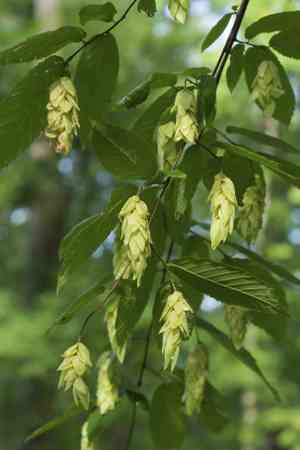
The American hophornbeam can be reproduced via dormant wood cuttings, air layering, and seed planting during the optimal period of fall to winter. Its propagation presents a moderate challenge. Indicators of successful propagation encompass the emergence of new roots and shoots. For propagation using dormant wood cuttings, it is crucial to utilize rooted stems.
Optimal Period for American Hophornbeam Propagation
Propagation Method
Cutting
Propagation Period
Autumn,Winter
Tools Required for American Hophornbeam Propagation
Pruning Shears
Pruning shears are vital for obtaining cuttings from american hophornbeam. The precise and clean cuts made by quality shears are essential for minimizing harm and disease risk to both the parent plant and the cuttings. Shears should be sanitized prior to use to prevent pathogen spread.
Rooting Hormone
Rooting hormone aids in root formation in american hophornbeam cuttings, boosting the chances of successful propagation. It typically contains auxins, which stimulate root growth and can be crucial for hardwood cuttings that may be more difficult to root.
Sterile Potting Mix
A sterile potting mix offers a pathogen-free environment for american hophornbeam cuttings to establish roots. The mix should drain well yet retain moisture, supporting the delicate new roots without being excessively wet, which can cause rot.
Propagation Tray
Propagation trays are utilized for organizing and managing multiple american hophornbeam cuttings. They should allow for adequate drainage and can be covered with a humidity dome to maintain high humidity around the cuttings, promoting root development.
Hormone Applicator
A hormone applicator ensures uniform and accurate application of rooting hormone to the bases of american hophornbeam cuttings. The applicator can be a brush or a dip container, preventing contamination of the entire hormone supply.
Misting System
A misting system keeps american hophornbeam cuttings sufficiently hydrated by maintaining a continuous gentle mist. This system is especially important for preventing the delicate cuttings from drying out before they establish roots.
Post-Propagation Care for Your American Hophornbeam
Post-Propagation Care for Your American Hophornbeam
Once american hophornbeam cuttings have rooted and exhibit new growth, gradually acclimate them by reducing humidity and exposing them to outdoor conditions. After roots are well-developed, transplant them into larger containers or their permanent location. Maintain mulch around the base to retain moisture and shield young plants from temperature extremes. Water regularly, particularly during dry periods, and fertilize annually with a balanced slow-release fertilizer.
Common Errors to Avoid When Propagating American Hophornbeam
Insufficient stratification
Failing to cold-stratify american hophornbeam seeds can lead to poor germination rates, as this process mimics the natural winter conditions seeds need to break dormancy.
Overwatering cuttings
Excessive moisture can result in rot or fungal infections in american hophornbeam cuttings, decreasing the likelihood of successful rooting.
Neglecting seed pre-treatment
Skipping the seed pre-treatment process can lead to a significantly lower germination rate, as american hophornbeam seeds may have inhibitors that require processes like scarification or soaking to overcome.
Planting seeds too deep
American hophornbeam seeds planted too deeply may lack sufficient energy to reach the soil surface and can fail to germinate properly.
Using infertile soils
Attempting to propagate american hophornbeam in soils deficient in nutrients or appropriate structure might impede root development and plant growth.
Advice for Propagating American Hophornbeam
Cold stratification
Expose american hophornbeam seeds to cold conditions for several weeks to simulate winter, which is necessary to break dormancy and encourage germination.
Properly prepare cuttings
Select healthy american hophornbeam cuttings and maintain a humid environment for them, without saturating the soil, to promote root formation.
Appropriate seed pre-treatment
Pre-treat american hophornbeam seeds using recommended methods like scarification or soaking to overcome germination inhibitors.
Shallow seed planting
Sow american hophornbeam seeds just below the soil surface to ensure they have enough energy to sprout and establish successfully.
Fertility and aeration
Utilize a well-draining, fertile soil mix to foster the healthy root development essential for american hophornbeam growth.



