How to Propagate Sweet osmanthus?
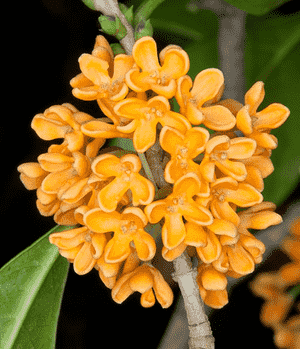
Optimal propagation of sweet osmanthus occurs in Spring via cutting and layering techniques, which present a moderate level of difficulty. Evidence of successful propagation includes robust root formation and fresh foliage emergence. Utilize a rich, well-draining substrate for the best outcomes.
Optimal Period for Sweet Osmanthus Propagation
Propagation Method
Cutting
Propagation Period
Autumn,Winter
Tools Required for Sweet Osmanthus Propagation
Pruning shears
Pruning shears are vital for taking sweet osmanthus cuttings cleanly and precisely, which helps prevent harm to the parent plant and the cutting itself. Sharp, sanitized blades ensure a healthy start for the cuttings by reducing infection risk.
Rooting hormone
Rooting hormone is applied to the base of sweet osmanthus cuttings to stimulate root development. It contains synthetic auxins that mimic natural plant hormones, promoting quicker and more dependable root growth, crucial for new plant establishment.
Propagation tray
Propagation trays offer a contained environment perfect for placing sweet osmanthus cuttings. They assist in maintaining consistent moisture levels and temperature, both essential for root initiation and development.
Sterile potting mix
Sterile potting mix provides sweet osmanthus cuttings with a pathogen-free growth medium. A well-draining and nutrient-rich mix supports healthy root growth and lowers the risk of soil-borne diseases affecting young plants.
Heating mat
A heating mat can be placed beneath the propagation tray to maintain a consistent and ideal temperature for sweet osmanthus cutting root growth. Stable warmth is particularly beneficial for enhancing rooting success in this species.
Plastic dome or cover
A plastic dome or cover creates a humid microclimate over the propagation tray, which helps prevent sweet osmanthus cuttings from drying out and supports root formation by maintaining high humidity around the foliage.
Misting bottle
A misting bottle is used to gently water sweet osmanthus cuttings without disturbing delicate, newly forming roots. Regular misting ensures cuttings do not dry out, which is crucial for successful propagation.
Post-Propagation Care for Sweet Osmanthus
How to Care for Your Newly Propagated Sweet Osmanthus?
Once sweet osmanthus has successfully rooted, gradually acclimate it to the outdoor environment by removing the plastic covering for progressively longer durations over several days. Continue to water sweet osmanthus to keep the soil moist, but not saturated, and provide it with bright, indirect sunlight. When sweet osmanthus has grown stronger and the weather is suitable, transplant it to a larger pot or a prepared garden spot with well-drained soil. Ensure that sweet osmanthus is not exposed to extreme temperatures or harsh sun immediately after propagation. For long-term care, fertilize sweet osmanthus during the growing season, and prune to maintain its shape and encourage bushier growth.
Common Errors to Avoid When Propagating Sweet Osmanthus
Overwatering cuttings
Excess moisture around sweet osmanthus cuttings can lead to fungal infections and root rot, hindering root development and potentially killing the cutting.
Planting cuttings too deep
Inserting sweet osmanthus cuttings too deeply into the propagation medium can suffocate emerging roots and reduce the chances of successful propagation.
Using the wrong soil mix
A soil mix that doesn't drain well or lacks essential nutrients can fail to support new growth and impede the rooting process of sweet osmanthus.
Neglecting humidity level
Ignoring the necessary humidity levels can cause sweet osmanthus cuttings to dry out, preventing them from establishing a healthy root system.
Ignoring plant health
Attempting to propagate sweet osmanthus from unhealthy or diseased parent plants can result in poor quality cuttings with minimal chances of success.
Tips for Propagating Sweet Osmanthus
Use healthy parent plants
Selecting robust and disease-free sweet osmanthus specimens ensures that cuttings have the best potential for successful rooting and growth.
Ideal cutting selection
Choose semi-ripe stems for cuttings, as they offer a balance between flexibility and maturity, which is optimal for root formation in sweet osmanthus.
Appropriate soil mix
Use a well-draining soil mix, potentially enriching it with organic matter to provide essential nutrients to sweet osmanthus cuttings.
Maintain proper humidity
Enclosing sweet osmanthus cuttings in a humidity dome or plastic bag can help maintain the moisture levels necessary for rooting without waterlogging the soil.
Monitor water levels
Water sweet osmanthus cuttings moderately to keep the soil moist but not waterlogged, ensuring adequate root aeration.



