How to Propagate Transvaal chincherinchee?
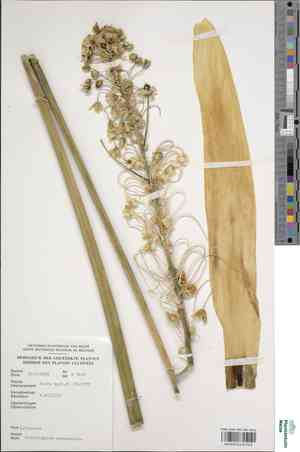
Ornithogalum saundersiae is a perennial plant that grows from a bulb, recognized for its prominent white blossoms. Multiply Ornithogalum saundersiae by detaching and relocating its underground storage organs, making sure the substrate allows for good drainage. Supply sufficient moisture without oversaturating to avert decay. Place in areas receiving ample sunlight to some shade for peak development. Although dividing the tubers is an efficient method, ensure proper distance between them to prevent excessive density. Root growth generally thrives with a balanced nutrient supply to foster vigorous, sturdy specimens.
Optimal Period for Propagating Transvaal Chincherinchee
Propagation Type
UseTheTubers
Propagation Season
Spring
Tools Utilized for Transvaal Chincherinchee Propagation
Spade or Garden Fork
These implements are crucial for carefully unearthing transvaal chincherinchee tubers without causing harm. They aid in gently lifting tubers from the soil, ensuring root preservation for successful replanting.
Tuber Knife
A specialized blade is employed to cleanly separate tubers. This precision is vital to prevent damage to the plant material and guarantee each segment possesses sufficient shoots and roots for new development.
Rooting Hormone
Applying a rooting hormone to the severed ends of divided tubers stimulates root development and increases the likelihood of successful propagation. This is particularly advantageous for transvaal chincherinchee, which can be delicate during its initial growth phase.
Potting Trays or Pots
These receptacles are essential for planting the divided tubers, offering a controlled environment for root establishment before garden transplantation. Well-draining pots prevent excessive moisture from causing tuber decay.
Sterile Cutting Tools
Ensuring all propagation tools are sterilized prevents disease transmission. This is especially important for transvaal chincherinchee, as they can be susceptible to fungal infections if not handled with care.
Well-Draining Potting Mix
A potting mixture with good drainage is critical for preventing waterlogging, which can lead to tuber rot. Utilizing a mix containing sand, perlite, or vermiculite creates an ideal environment for transvaal chincherinchee root establishment.
Watering Can with Fine Rose
This device assists in providing gentle and even hydration to newly potted tubers, preventing the soil from becoming overly compacted or waterlogged. Consistent moisture is key for the early growth stages of transvaal chincherinchee.
Method for Propagating Transvaal Chincherinchee
Propagation Type
Easy
Post-Propagation Care for Your Transvaal Chincherinchee
Post-Propagation Care for Your Transvaal Chincherinchee
Following transvaal chincherinchee propagation, position the plants in a spot with bright, indirect light. Ensure the soil remains damp, especially during the active growth period. Avoid excessive watering, as this can lead to root decay. Fertilize sparingly once a month with a balanced, water-soluble feed. Monitor for pests and diseases, and take appropriate action if necessary. Once established, transvaal chincherinchee can endure brief dry spells, making them relatively low-maintenance.
Common Errors to Avoid During Transvaal Chincherinchee Propagation
Overwatering
Results in bulb decay and fungal infections, impeding root development.
Improper Soil Selection
Using dense or water-retentive soil hinders adequate drainage, leading to root suffocation.
Incorrect Bulb Division
Improperly dividing the bulb can harm the plant and reduce the number of viable offspring.
Insufficient Light
Propagation in dim conditions leads to weak, elongated growth and poor establishment.
Temperature Fluctuations
Exposing the plant to inconsistent temperatures can shock it and hinder root formation.
Advice for Propagating Transvaal Chincherinchee
Proper Watering
Water sparingly and ensure the soil drains well to prevent bulb rot.
Appropriate Soil
Utilize well-aerated soil with a blend of sand, perlite, and peat to improve drainage.
Careful Bulb Division
Gently divide bulbs, ensuring each section retains a portion of the root system to encourage healthy growth.
Optimal Light Conditions
Provide bright, indirect light to foster robust and healthy development.
Stable Temperatures
Maintain a consistent, moderate temperature to facilitate steady growth and root establishment.



