How to Propagate Drooping prickly pear?
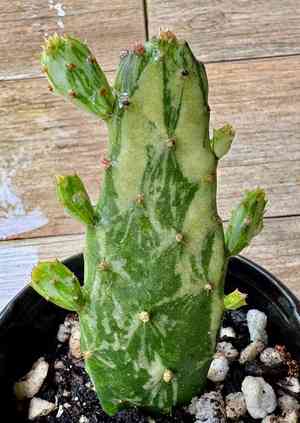
The preferred method for propagating Opuntia monacantha is by taking cuttings in the spring and summer. It readily reproduces, showing successful development through the appearance of new shoots. Make sure cuttings have formed a callus prior to planting to improve root formation.
Optimal Time for Drooping Prickly Pear Propagation
Propagation Type
Cutting
Propagation Season
Spring, Summer
Tools Required for Drooping Prickly Pear Propagation
Sterile Gardening Shears
Used for taking cuttings from drooping prickly pear, sterile gardening shears make clean cuts without transferring diseases. The sharp blades reduce damage to the parent plant, promoting quick healing and reducing the risk of infection.
Rooting Hormone Powder
Helps to stimulate root growth from drooping prickly pear cuttings. A dip in rooting hormone increases the chances of successful rooting, which is especially beneficial for drooping prickly pear, encouraging faster establishment and stronger root systems.
Cactus Potting Mix
Provides the well-draining conditions drooping prickly pear cuttings require for proper root development. The specialized mix aids in preventing root rot by reducing moisture retention around the newly developing roots.
Succulent/Cactus Fertilizer
Contains a balanced blend of nutrients tailored to the needs of drooping prickly pear. It is used once the cutting has established roots and is starting to show new growth, supporting healthy development without overwhelming the new plant.
Perlite or Vermiculite
Used to aerate the potting mix and improve drainage. Adding these materials to the potting mix creates air pockets which help drooping prickly pear cuttings to root without retaining excess water.
Clean Pots with Proper Drainage
Ensure that water can escape and does not accumulate at the base of drooping prickly pear cuttings. Adequate drainage is crucial to prevent root rot and provide a healthy environment for new growth.
Plastic Wrap or Propagation Dome
Creates a humid microclimate around drooping prickly pear cuttings, which encourages rooting. It simulates a greenhouse effect, which is advantageous for the establishment of new plants, but should be used with caution to prevent excessive humidity that could lead to rot.
Heat Mat (Optional)
Providing bottom heat can improve the rooting success rate of drooping prickly pear cuttings during cooler months. By maintaining an optimal temperature range, a heat mat encourages faster root growth.
Steps to Propagate Drooping Prickly Pear
Propagation Type
Cutting
Difficulty Level
Easy
Post-Propagation Care for Your Drooping Prickly Pear
Post-Propagation Care for Your Drooping Prickly Pear
Once drooping prickly pear has established roots, it should be cared for like a mature plant. Water only when the soil is completely dry, provide bright indirect light, and fertilize lightly during the growing season with a cactus-specific formula. During winter, reduce watering to a minimum. Protect drooping prickly pear from freezing temperatures and excessive humidity. Be mindful of pests and diseases, and treat accordingly. Ensure that drooping prickly pear has plenty of room to grow, as it may need to be repotted every few years as it gets larger and its root system expands.
Common Errors to Avoid When Propagating Drooping Prickly Pear
Incorrect cutting selection
Selecting unhealthy or immature pads for propagation can lead to poor root development and low survival rates. This can also leave drooping prickly pear vulnerable to infections and diseases.
Overwatering cuttings
Overwatering the pads of drooping prickly pear can cause rotting before they have a chance to form roots. Drooping prickly pear is drought-tolerant and excessive moisture can have detrimental effects on the cuttings.
Ignoring hygiene
Not sterilizing the cutting tools can introduce pathogens to the cuttings, increasing the likelihood of infection and disease in drooping prickly pear.
Planting cuttings too deep
Inserting the pads too deeply into the propagation medium can suffocate the potential roots and encourage rot, hindering healthy growth in drooping prickly pear.
Neglecting aftercare
Failing to provide adequate post-propagation care, like gradually increasing light exposure, can stress the new plants, leading to poor establishment and growth of drooping prickly pear.
Advice for Propagating Drooping Prickly Pear
Healthy pad selection
Choose well-developed, disease-free pads from drooping prickly pear for propagation. This ensures a higher chance of success and robust growth.
Proper cutting technique
Make clean cuts and allow the cutting surface of the pad to callous over for a few days to a week before planting. This helps prevent infections in drooping prickly pear.
Optimal soil conditions
Use a well-draining cactus or succulent mix to promote good air circulation around the cuttings. This fosters proper root development in drooping prickly pear.
Moderate watering
Water the cuttings sparingly only when the soil has completely dried out, as overwatering can be detrimental to drooping prickly pear.
Gradual acclimatization
Acclimate the new shoots of drooping prickly pear to light gradually to prevent shock, which could hamper their establishment and growth.



