How to Propagate Angel's-wings?
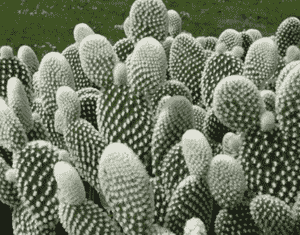
Angel's-wings typically reproduces via stem sections during the spring and summer seasons. This procedure is quite straightforward, and successful multiplication is indicated by the appearance of fresh shoots. Make certain the cutting has callused prior to planting to avert decay.
Optimal Time for Angel's-wings Propagation
Propagation Method
Cutting
Propagation Period
Spring, Summer
Tools Required for Angel's-wings Propagation
Clean, Sharp Scissors or Pruning Shears
These are vital for making precise cuts from the parent angel's-wings, reducing infection risk and ensuring a healthy cutting. Sharp blades prevent tissue crushing, boosting rooting success.
Rubbing Alcohol or Disinfectant
Used to sanitize cutting tools before and after taking angel's-wings cuttings. Sterilization prevents disease spread between plants, crucial as angel's-wings can be prone to infection at wound sites.
Gloves
Thick gloves protect the propagator from the small, barbed spines of angel's-wings, making handling safer and more comfortable, as these spines can easily embed in the skin and cause irritation.
Tweezers or Tongs
These instruments are useful for removing spines or handling angel's-wings segments without direct contact, especially helpful when dealing with its delicate skin and avoiding spine injuries.
Cactus Potting Mix
A specialized potting blend, ideal for cacti, offers excellent drainage and aeration, key for angel's-wings root establishment. The correct soil mix prevents root rot and promotes vigorous growth.
Rooting Hormone (Optional)
This can be applied to stimulate rapid and healthy root development on the cut end of the angel's-wings cutting. While not always essential for angel's-wings, it can enhance propagation success, especially for challenging cuttings.
Pots or Trays
Appropriate containers are needed for planting angel's-wings cuttings after they have callused. They must have sufficient drainage holes to prevent waterlogging and encourage a robust root system.
How to Propagate Angel's-wings
Propagation Method
Cutting
Difficulty Level
Easy
Caring for Your Newly Propagated Angel's-wings
Caring for Your Newly Propagated Angel's-wings
Once angel's-wings is successfully propagated, keep it in a spot with bright, indirect light. Gradually introduce it to more direct sunlight if desired. Water minimally until the plant shows active growth. As angel's-wings matures, water only when the top inch of soil is dry, increasing frequency in hot, dry conditions. Fertilize sparingly during the growing season with a balanced cactus fertilizer, avoiding feeding in dormant winter months. Repot as needed when angel's-wings outgrows its container, using fresh soil and a pot slightly larger than the root system.
Common Errors to Avoid When Propagating Angel's-wings
Overwatering cuttings
Placing angel's-wings cuttings in overly moist soil can lead to rot before roots form. Excess water deprives developing roots of oxygen and encourages fungal growth.
Using unsterilized tools
Cutting angel's-wings with unsterilized tools can introduce pathogens, leading to infection and poor health in propagated plants.
Immediate planting after cutting
Planting angel's-wings immediately after taking a cutting can be problematic; the cut surface needs time to callus to prevent rot and disease when planted.
Taking cuttings from unhealthy plants
Using cuttings from diseased or weak angel's-wings can result in propagated plants that are also unhealthy and less likely to thrive.
Ignoring pest infestations
Overlooking pests on the parent angel's-wings before taking cuttings can lead to the spread of pests to new plants, impacting their growth and survival.
Tips For Propagating Angel's-wings
Proper cutting technique
Make a clean cut on angel's-wings using a sharp, sterilized knife to minimize damage and prevent infection.
Allowing cuttings to callus
Allow the angel's-wings cutting to dry and form a callus for a few days before planting to protect against rot and disease.
Adequate rooting medium
Use a well-draining cactus mix or a sand-and-perlite combination for angel's-wings to provide the best environment for root development.
Indirect sunlight for new plants
Place newly potted angel's-wings in bright, indirect sunlight to encourage growth without causing sunburn to the young plants.
Controlled watering
Water angel's-wings cuttings sparingly and only when the soil is completely dry to prevent rot. This mimics the natural arid conditions angel's-wings is adapted to.



