How to Propagate Dwarf lilyturf?
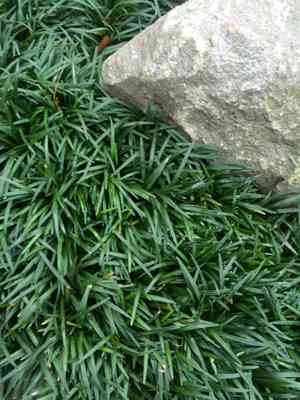
Miniature lilyturf is most effectively multiplied through separation in either spring or fall. It presents a medium level of propagation challenge, with the emergence of fresh sprouts signifying successful establishment. Make certain that the separated root sections are promptly re-established in soil for the best outcome.
Optimal Period for Propagating Dwarf Lilyturf?
Propagation Method
Separation
Propagation Period
Spring, Autumn
Tools Required for Dwarf Lilyturf Propagation?
Sharp Garden Knife or Scissors
These implements are crucial for making clean cuts and separating the root mass of dwarf lilyturf during the division propagation technique. A keen blade ensures precise incisions that minimize root damage, promoting faster recovery and improved post-propagation growth.
Garden Fork and Spade
Utilized to carefully lift dwarf lilyturf clumps from the ground without causing undue harm to the root system. A garden fork can assist in loosening the soil, while a spade can be employed to extract the plant from the earth.
Pair of Gloves
Protects the hands of the propagator from potential injury when handling soil and dividing dwarf lilyturf roots. Gloves also offer a better grip on plants and tools, reducing the chance of accidental damage.
Potting Mix
Serves as the growth medium for newly separated dwarf lilyturf plants. A high-quality potting mix supports robust root development by providing adequate drainage and nutrient content.
Plant Pots or Trays
Hold individual dwarf lilyturf divisions, allowing them to develop their own root systems before being moved to their permanent location. Pots should have proper drainage holes to prevent waterlogging.
Method for Propagating Dwarf Lilyturf?
Propagation Type
Division
Difficulty Level
Simple
How to Nurture Your Newly Propagated Dwarf Lilyturf?
How to Nurture Your Newly Propagated Dwarf Lilyturf?
After dwarf lilyturf has been propagated, ensure they are situated in an area with partial to full shade as they do not tolerate intense sun exposure well. Maintain consistent soil moisture, watering when the top inch feels dry to the touch. Be careful not to overwater. Fertilize with a balanced, slow-release product in spring. Protect from harsh winter winds and extreme conditions if planted in colder regions. Divide clumps every 2 to 3 years to prevent overcrowding and to revitalize growth.
Common Errors to Avoid When Propagating Dwarf Lilyturf
Excessive watering of cuttings
Keeping the soil too wet can lead to rotting of dwarf lilyturf's delicate roots during the cutting propagation process. Consistently saturated soil suffocates the root zone, hindering proper air exchange, and fosters an environment conducive to fungal infections.
Planting too deep
When dividing dwarf lilyturf, placing the sections too deeply can cause the crowns to rot. Dwarf lilyturf's roots need to be just below the surface to thrive, as deep planting can bury the crown, reducing oxygen supply and increasing the risk of rot.
Insufficient light
While dwarf lilyturf can endure shade, cuttings or divisions require adequate light to stimulate root growth. Too little light might result in etiolation and weak development, diminishing the chance for successful establishment.
Disregarding soil composition
Utilizing a soil mix that lacks proper drainage can be detrimental to dwarf lilyturf's propagation. Soil that retains too much moisture can lead to root rot, while excessively sandy soil may not provide sufficient moisture for new roots to develop.
Overlooking plant health
Attempting to propagate from diseased or weak specimens of dwarf lilyturf can result in poor outcomes. It's crucial to select healthy parent plants to ensure robust and disease-free offspring.
Advice for Propagating Dwarf Lilyturf
Maintain moderate moisture
Careful water management helps dwarf lilyturf's young roots to grow without the risk of rot. The soil should be kept moist, but not waterlogged, to support healthy root development.
Use sharp tools
When dividing dwarf lilyturf, sharp tools are essential to ensure clean cuts that heal quickly and reduce the risk of disease entering the wound sites.
Gentle handling
During division, being gentle with dwarf lilyturf's roots and foliage prevents unnecessary damage and stress. This aids the divisions in quickly recovering and establishing themselves after transplanting.
Sterilize equipment
Using sterilized propagation tools can prevent the transmission of disease to dwarf lilyturf. Clean cuts and disease prevention are crucial for the success of new plants.
Optimal soil mix
Creating a well-draining yet moisture-retentive soil mix encourages healthy root growth for dwarf lilyturf. Incorporating organic matter can improve soil structure and provide nutrients to the developing plants.



