How to Propagate Oncidium leleui?
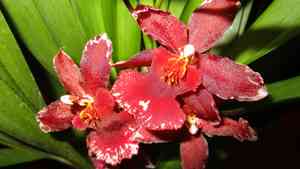
Oncidium leleui is an enchanting orchid recognized for its intricate and varied flowers. For successful reproduction, division is the preferred method. Confirm the plant is fully developed and robust prior to separating the pseudobulbs, being cautious to avoid harming the root system. Place each separated section into a free-draining orchid substrate, providing a warm, moist atmosphere with diffused illumination. This technique facilitates vigorous development and proper rooting.
When Is the Optimal Time to Propagate Oncidium Leleui?
Propagation Type
Separation
Propagation Season
Spring,Autumn
What Tools Are Necessary for Oncidium Leleui Propagation?
Sharp Knife or Pruning Shears
A precise, keen cutting implement such as a knife or shears is vital for dividing oncidium leleui. These tools enable clean cuts through rhizomes or pseudobulbs, minimizing harm to plant tissues. Clean cuts decrease infection risk and encourage faster healing and root development.
Sterilizing Solution
A sanitizing liquid, like rubbing alcohol or a diluted bleach mixture, is crucial for disinfecting pruning tools before and after each use. This helps prevent the spread of diseases and pathogens that could compromise oncidium leleui's health.
Orchid Potting Mix
A free-draining orchid potting substrate, typically composed of materials such as bark, perlite, and charcoal, is required for repotting oncidium leleui after division. This type of medium offers excellent aeration and drainage, mimicking oncidium leleui's natural epiphytic habitat and fostering robust root growth.
Medium-Sized Pots
Mid-sized containers with ample drainage holes are perfect for repotting divided sections of oncidium leleui. Appropriately sized pots ensure roots have space to grow while preventing waterlogging, which can lead to root rot.
Watering Can with Fine Rose
A watering can equipped with a fine rose (sprinkler head) ensures gentle irrigation of newly potted divisions. This prevents soil displacement and minimizes damage to delicate new roots, helping the plant establish itself more quickly.
Misting Bottle
A misting bottle is useful for maintaining moisture around the divided sections of oncidium leleui, especially in the initial weeks post-division. Regular misting helps replicate the plant's natural humid environment, reducing stress and aiding in recovery.
Rooting Hormone (Optional)
While not strictly essential, a rooting hormone can be applied to the cut surfaces of the divisions to encourage quicker root growth and increase the chances of successful propagation. This can be beneficial for propagators aiming to expedite oncidium leleui's establishment.
How to Propagate Oncidium Leleui?
Propagation Type
Simple
How to Care for Your Newly Propagated Oncidium Leleui?
How to Care for Your Newly Propagated Oncidium Leleui?
Following propagation, continue to monitor the moisture levels of the potting medium, avoiding excessive watering. Keep oncidium leleui in a warm environment with temperatures between 65-75°F during the day and slightly cooler at night. Provide bright, indirect light, and maintain humidity levels around 50-70%. Fertilize lightly every few weeks with a balanced orchid fertilizer to encourage strong growth. Watch for pests or signs of disease, and address any issues promptly to ensure healthy development of the new divisions.
Common Mistakes to Avoid When Propagating Oncidium Leleui
Over-watering
Excessive moisture can lead to root rot and fungal infections, which can severely harm oncidium leleui's health and impede successful propagation.
Using heavy or compact soil
Dense soil mixtures can hinder air circulation and water drainage, suffocating oncidium leleui's delicate roots.
Improper light conditions
Insufficient light can prevent oncidium leleui from photosynthesizing effectively, while too much direct light can scorch its leaves.
Neglecting humidity levels
Low humidity can cause leaf dehydration and stress in oncidium leleui, leading to poor growth and failed propagation.
Improper division technique
Incorrectly dividing the plant can cause root damage, reducing the chances of successful establishment of new plants.
Tips For Propagating Oncidium Leleui
Use well-draining medium
Opt for a medium like bark or perlite, which allows for adequate air circulation and prevents waterlogging around oncidium leleui's roots.
Maintain adequate humidity
Keep humidity levels between 50-70% to mimic oncidium leleui's natural environment, preventing leaf desiccation.
Provide indirect bright light
Position oncidium leleui in a spot where it can receive bright, indirect light to promote healthy growth without risking leaf burn.
Ensure stable temperature
Maintain a consistent temperature range, avoiding extremes that could stress or damage oncidium leleui.
Proper division technique
When dividing oncidium leleui, ensure each section has a few pseudobulbs and healthy roots to improve the chances of successful growth.



