How to Propagate Olive?
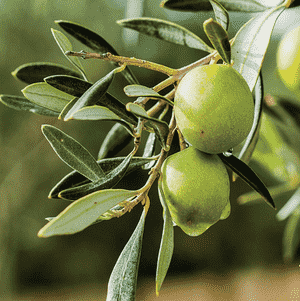
Olive plants are most effectively multiplied in the springtime through either cuttings or air layering. While the process presents an average level of challenge, successful propagation is indicated by the emergence of new shoots. Maintaining ideal humidity and warmth significantly improves the chances of success.
Optimal Time for Olive Propagation
Propagation Method
Cutting
Propagation Period
Autumn,Winter
Tools for Olive Propagation
Pruning Shears
These sharp, precise tools are vital for taking cuttings from olive. The blades are typically made of high-carbon steel, providing a clean cut that supports healthy root development. Sterilized pruning shears reduce the risk of disease transmission during the cutting process.
Rooting Hormone
Powder or liquid formulas are used to encourage root growth at the base of cuttings. Rooting hormones contain auxins, which help stimulate root formation on olive cuttings, increasing the chances of successful propagation and establishment of new plants.
Potting Medium
A sterile, well-draining substrate, often a mix of perlite, vermiculite, and peat, is needed for placing the cuttings. This medium offers aeration and moisture retention, ideal for olive's rooting environment, without the risk of pathogens found in unsterilized soils.
Plant Pots or Trays
Containers of suitable size are necessary for holding the cuttings as they root. They usually have drainage holes to prevent excessive water retention, which can be harmful to olive's root development.
Misting Bottle
A misting bottle delivers a fine spray of water to olive's cuttings, maintaining high humidity around them without over-saturating the potting medium. This consistent moisture level is crucial for olive's cuttings to prevent desiccation.
Propagation Dome or Plastic Bags
Enclosures like domes or clear plastic bags create a humid microclimate, which is beneficial during the root development of olive. Clear plastic bags are a cost-effective alternative, trapping moisture and warmth while allowing light to reach the cuttings.
Heating Mat
An optional but helpful tool, the heating mat assists in maintaining a consistent soil temperature, which can enhance root growth rates for olive. This is particularly advantageous in cooler growing environments.
Post-Propagation Care for Olive
How to Care for Your Newly Propagated Olive?
After successfully propagating olive by cutting, gradually introduce it to less humid conditions by removing the plastic cover over several days. Continue providing indirect sunlight and water when the top inch of soil feels dry. Protect young olive from extreme temperatures and fertilize with a balanced feed during the growing season for optimal health.
Common Errors to Avoid When Propagating Olive
Insufficient root development before planting
Planting olive cuttings too soon can lead to inadequate root establishment. This may result in poor growth and increased vulnerability to disease and environmental stress.
Overwatering
Excessive watering can cause root rot in olive. This mistake deprives the cutting of oxygen, leading to root death and propagation failure.
Inadequate light
While rooting, if olive does not receive enough indirect sunlight, it can affect the energy available for root development, leading to weak or etiolated growth.
Ignoring cutting health
Using diseased or weak cuttings from olive can impede healthy growth. Poor initial health can transfer problems to new plants, reducing propagation success.
Incorrect cutting size
Cuttings that are too small may not contain enough resources to survive, while those that are too large might struggle to sustain themselves before rooting.
Tips For Propagating Olive
Use healthy donor plants
Selecting vigorous and disease-free branches from olive ensures a strong foundation for successful propagation.
Adequate cutting length
Optimal cutting size for olive is about 4-6 inches, balancing resource storage with manageable rooting.
Proper wound treatment
Applying rooting hormone to the cut ends of olive cuttings can stimulate root growth and improve rooting success.
Balanced watering
Maintaining consistent moisture for olive cuttings without overwatering promotes healthy root development without the risk of rot.
Well-draining soil
Using a well-draining potting mix allows olive cuttings to receive adequate moisture while minimizing the risk of waterlogging.



