How to Propagate Lindheimer's beeblossom?
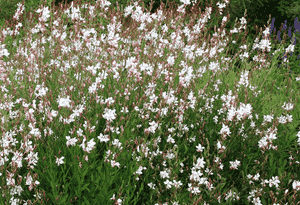
Lindheimer's beeblossom is most effectively multiplied by planting seeds in the springtime. This species poses a moderate challenge for propagation, with the appearance of young plants signifying successful development. Ensure sufficient hydration and a soil mixture that drains efficiently for peak performance.
Optimal Period for Lindheimer's Beeblossom Propagation
Propagation Method
Seeding
Propagation Season
Spring
Tools Required for Lindheimer's Beeblossom Propagation
Seed trays or pots
These containers are crucial for initiating seeds indoors or in a controlled setting. They offer a dedicated space for lindheimer's beeblossom seeds to sprout and develop into young plants. Well-draining trays or pots help excess water escape, reducing the risk of root rot, which is vital for the health of lindheimer's beeblossom seedlings.
Seed starting mix
A premium seed starting mix is essential for successful seed germination. It should be light and airy, promoting good air circulation and drainage while retaining sufficient moisture to keep lindheimer's beeblossom seeds hydrated. Avoid dense garden soil, which can compact around the delicate seeds and hinder germination.
Watering can with a fine rose
Gentle and even water distribution is critical when irrigating lindheimer's beeblossom seeds to prevent them from being dislodged or washed away. A can with a fine rose attachment provides a soft sprinkle of water that will not disturb the soil or fragile seedlings.
Labels or markers
Utilizing labels or markers allows for precise identification of lindheimer's beeblossom in propagation setups involving multiple species. Proper labeling ensures that each plant's specific requirements can be met and helps prevent confusion during the growth and care process.
Plastic dome or clear cover
Maintaining consistent humidity levels can significantly boost seed germination rates. A plastic dome or cover over the seed tray helps to retain moisture around lindheimer's beeblossom seeds, creating a microclimate that encourages faster and more uniform germination.
Heating mat (optional)
For propagators in cooler climates, a heating mat can assist in maintaining an ideal soil temperature for lindheimer's beeblossom seed germination. Consistent warmth at the root zone can promote quicker germination and more successful seedling development.
How to Propagate Lindheimer's Beeblossom?
Propagation Type
Seeding
Difficulty Level
Easy
How to Care for Your Newly Propagated Lindheimer's Beeblossom?
How to Care for Your Newly Propagated Lindheimer's Beeblossom?
Following propagation, lindheimer's beeblossom should be placed in a location with ample sunlight and well-draining soil. Water lindheimer's beeblossom regularly to keep the soil moist but not waterlogged, especially during dry periods. As lindheimer's beeblossom is drought-tolerant, decrease watering frequency once established. Remove spent flowers to encourage more blooms. Fertilize with a general-purpose fertilizer in the spring. Divide lindheimer's beeblossom every 2-3 years to maintain vigor and to control spread.
Common Mistakes to Avoid When Propagating Lindheimer's Beeblossom
Overwatering
Excessive watering can lead to root rot in lindheimer's beeblossom, which thrives in well-drained soil. This could ultimately kill the plant by suffocating the roots and promoting fungal growth.
Deep planting
Planting lindheimer's beeblossom cuttings or seedlings too deeply can hinder their ability to establish a strong root system and may lead to rot, as it is a plant that requires good air circulation around its stem base.
Excessive fertilization
Applying too much fertilizer can burn the roots of lindheimer's beeblossom and disrupt its growth, as the plant is adapted to grow in lean, less fertile soils and does not require high nutrient levels.
Ignoring pest issues
Failing to address pests such as aphids promptly can lead to infestations that weaken or kill lindheimer's beeblossom by spreading diseases or causing direct damage to the plant tissues.
Tips For Propagating Lindheimer's Beeblossom
Moderate watering
Ensure that lindheimer's beeblossom receives consistent but moderate watering after planting cuttings or seeds to ensure that the soil is moist but not saturated, promoting healthy root growth without waterlogging.
Use of rooting hormone
Applying a rooting hormone to lindheimer's beeblossom cuttings can enhance root development and increase the chances of successful propagation.
Well-draining soil
Preparing a well-draining soil mix will help prevent root rot in lindheimer's beeblossom, allowing it to establish itself more successfully in the propagation medium.
Pest monitoring
Regularly inspecting lindheimer's beeblossom for signs of pests and addressing any issues immediately can help prevent damage that could impair the plant's growth and development.



