How to Propagate Holy basil?
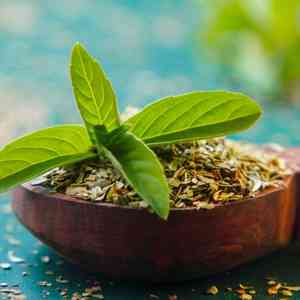
Holy basil is most effectively multiplied from stem sections throughout the spring and summer seasons. This propagation method is relatively straightforward, and successful establishment is indicated by fresh shoots and root development. Ensure the cuttings remain adequately moist and receive diffused light.
Optimal Period for Holy Basil Propagation
Propagation Type
Cutting
Propagation Season
Spring, Summer
Tools Required for Holy Basil Propagation
Sharp Pruning Shears
Precise pruning shears are vital for making clean cuts on holy basil stem cuttings. A clean cut minimizes harm to the parent plant and promotes quick healing and root formation on the cutting. Sharpness ensures the plant's vascular tissue isn't unnecessarily crushed, aiding better water and nutrient absorption during root initiation.
Rooting Hormone
Rooting hormone, available as a gel, powder, or liquid, stimulates root growth in holy basil stem cuttings. It contains auxins (plant growth hormones) that encourage root development, significantly boosting propagation success rates. For holy basil, this is particularly useful for quickly establishing a strong root system, crucial for its overall growth and health.
Sterile Potting Mix
A sterile potting mix offers holy basil cuttings a clean growing medium, free from disease-causing pathogens. The mix should drain well yet retain enough moisture to support root growth. For holy basil, a blend of peat moss, perlite, and vermiculite would provide ideal rooting conditions.
Propagation Trays or Pots
Propagation trays or pots serve as containers for the sterile potting mix and holy basil cuttings. Their size and depth should accommodate developing roots without being overly spacious, which can lead to excessive moisture retention and potential rot. Trays or pots also enable a controlled environment, assisting in managing temperature and humidity during holy basil's early growth stages.
Plastic Dome or Clear Cover
A plastic dome or clear cover creates a greenhouse-like environment for holy basil cuttings, maintaining high humidity and a stable temperature, thereby reducing water loss through transpiration. This encourages cuttings to prioritize developing new roots over sustaining leaves.
Heating Mat (Optional)
While not always essential, a heating mat can be especially beneficial for holy basil by providing consistent bottom heat, which can accelerate root development. It's crucial to maintain the temperature within an optimal range to prevent overheating and damaging the cuttings.
Hydrogen Peroxide (Optional)
Hydrogen peroxide can be used to sanitize cutting tools, preventing disease transfer to holy basil. It can also be added to water when irrigating cuttings to oxygenate the root zone and help inhibit bacterial growth.
How to Propagate Holy Basil?
Propagation Type
Cutting
Difficulty Level
Easy
Caring for Your Newly Propagated Holy Basil
Caring for Your Newly Propagated Holy Basil?
After propagation, gradually introduce the new holy basil plants to less humid conditions over several days. Provide them with bright, indirect light and water when the top inch of soil feels dry. Fertilize with a balanced, organic fertilizer every 4-6 weeks during the growing season. Protect young plants from extreme temperatures and strong winds. Pinch back the plant tips to encourage bushier growth and more foliage.
Common Mistakes to Avoid When Propagating Holy Basil
Overwatering
Excessive moisture can lead to root rot in holy basil, hindering successful propagation. This plant requires well-drained soil and consistent but moderate watering.
Using old seeds
Aged or improperly stored seeds may have reduced germination rates, impacting holy basil's propagation success. It is vital to use fresh seeds for better viability.
Overcrowding seeds
Sowing seeds too closely can result in poor air circulation and competition for resources, negatively affecting seedling health and growth.
Deep planting
Holy basil seeds are small, and planting them too deeply can prevent germination due to insufficient light and oxygen.
Neglecting to pinch back
Not pinching back growing tips can cause holy basil to become leggy and weak, rather than bushy and robust, which is preferred for healthy development.
Tips For Propagating Holy Basil
Appropriate soil mix
Using a soil mix with good drainage and aeration is crucial for holy basil propagation, as it prevents waterlogging and promotes strong root development.
Seed stratification
For holy basil, stratify seeds by placing them in moist soil and then exposing them to warmth, which helps break seed dormancy and encourages germination.
Adequate spacing
Providing sufficient space between seeds allows for proper air flow, light penetration, and reduces the risk of fungal infections, which is critical for holy basil growth.
Correct seed depth
Planting seeds at the right depth, just lightly covered with soil, ensures enough light exposure for holy basil seeds to germinate effectively.
Regular pruning
Pruning or pinching holy basil tips encourages bushier growth and prevents the plant from becoming too tall and spindly, favoring a more compact structure.



