How to Propagate Sweet basil?
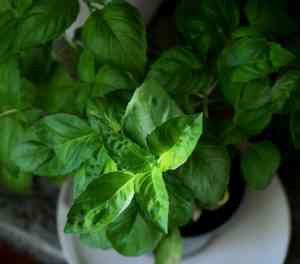
Sweet basil necessitates propagation techniques like 'Sowing', preferably in the springtime. Its propagation difficulty is rated as 'Easy', and indicators of successful propagation encompass robust seedlings and strong development. Maintain dampness and warmth for the seeds to enhance their germination.
Optimal Time for Sweet Basil Propagation
Propagation Type
Sowing
Propagation Season
Spring
Tools for Sweet Basil Propagation
Seeds
The primary material for planting. Sweet basil seeds are tiny and should be planted in a well-draining soil mix or starter pellets to ensure good contact with the soil and sufficient moisture for sprouting.
Seed trays or pots
Containers for planting seeds. These help organize sweet basil seeds during sprouting and allow for optimal spacing, easy handling, and better control over growing conditions.
Soil or germination mix
Medium for seed sprouting. A sterile, nutrient-rich soil mix suitable for seedling growth, retaining moisture well but not waterlogged, is crucial for sweet basil's healthy root development.
Spray bottle or small watering can
Watering implement. A spray bottle or a watering can with a fine rose allows for gentle watering of sweet basil seeds without disturbing them, maintaining necessary moisture levels for sprouting without causing soil erosion.
Plastic dome or clear cover
Humidity regulation. A plastic dome or clear cover placed over the seed tray helps retain moisture and warmth, creating a greenhouse effect beneficial to the sprouting and early growth of sweet basil.
Plant labels and marker
Organization aid. Labeling each pot or tray with plant names and planting dates helps track the progress of sweet basil's growth and maintain proper records for care and future propagation.
Heat mat
Temperature regulation. Heating mats provide consistent, gentle bottom heat which is especially useful for sweet basil seed sprouting in cooler climates or seasons, as it promotes faster and more uniform emergence.
Grow lights
Light source. After sprouting, sweet basil seedlings require adequate light for healthy growth. Grow lights provide a consistent and sufficient light source if natural sunlight is not adequate.
How to Propagate Sweet Basil?
Propagation Type
Sowing
Difficulty Level
Easy
Caring for Newly Propagated Sweet Basil
Caring for Newly Propagated Sweet Basil
Post-propagation, continue to irrigate sweet basil regularly to keep the soil damp but not saturated. Provide at least 6 hours of sunlight daily and apply a balanced fertilizer every 4-6 weeks. Pinch off the tip after the sweet basil has developed several sets of leaves to encourage bushier growth. Monitor for pests such as aphids, and use organic methods to manage them. As a tender annual, sweet basil requires protection from extreme temperatures and should be harvested regularly to promote continuous growth.
Common Errors to Avoid When Propagating Sweet Basil
Overwatering
Excessive watering during propagation can lead to the decay of sweet basil stems and roots, which may hinder rooting or cause the cutting to die.
Deep planting
Planting sweet basil cuttings too deeply can promote fungal growth and reduce oxygen availability, impeding root formation.
Incorrect cutting selection
Using woody, old, or diseased cuttings from sweet basil can result in poor rooting and propagation success because they have less vigor and regenerative capacity.
Overcrowding
Placing too many sweet basil cuttings in one area can limit airflow and light penetration, increasing the chance of disease and competition for resources, which hampers successful propagation.
Neglecting humidity
Ignoring the need for a humid environment can lead to sweet basil cuttings drying out before they have had a chance to root, as humidity is critical to prevent water loss from the cuttings.
Tips For Propagating Sweet Basil
Stem cutting selection
Choosing green, non-woody, and healthy stems of sweet basil for cuttings increases the chances of successful rooting and plant development.
Rooting medium
Using a sterile, well-draining, and light rooting medium for sweet basil ensures that the cuttings have the moisture and aeration they need to develop roots without becoming waterlogged.
Cut length and leaves
Cutting sweet basil stems to an optimal length of 3-4 inches and removing lower leaves helps in avoiding excess moisture loss and focuses the plantâs energy on root growth.
Indirect light
Providing sweet basil cuttings with bright, indirect light fosters ideal growing conditions by preventing the stress and damage that direct sunlight can cause.
Use of rooting hormones
Applying rooting hormones to the base of sweet basil stem cuttings can promote faster and more reliable root development.



