How to Propagate Apple-of-peru?
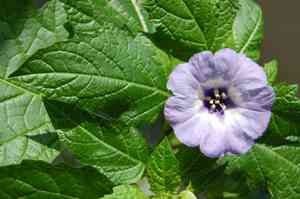
Apple-of-peru is a distinctive and rapidly developing flora, frequently propagated by planting seeds. To achieve the best outcome, utilize a growing medium that drains effectively and ensure steady hydration without saturating the soil. Seeds ought to be planted superficially as they need illumination to sprout. After the young plants appear and develop their initial true leaves, they can be moved to separate containers or their permanent spots in the garden. Paying close attention to the distance between plants will enable apple-of-peru to thrive and lessen the chances of illness.
When Is the Optimal Time to Propagate Apple-of-peru?
Propagation Type
Sowing
Propagation Season
Spring
What Tools Are Utilized for Apple-of-peru Propagation?
Seed trays
Seed trays are vital for planting apple-of-peru seeds, enabling even distribution and management of the growing medium. Their shallow depth and broad area are perfect for apple-of-peru germination, ensuring seeds are not buried too deep and can easily emerge from the soil.
Quality potting mix
A premium potting mix supplies apple-of-peru seeds with essential nutrients and proper drainage, crucial for robust root development. This blend helps maintain ideal moisture, critical for seed sprouting and the growth of young plants.
Misting bottle
A misting bottle is employed to gently water apple-of-peru seeds without disturbing them. This tool is key for keeping the soil consistently damp during the vital germination phase. The fine spray prevents over-saturation, which could otherwise cause seed rot.
Heat mat
A heat mat aids apple-of-peru germination by sustaining a steady soil temperature. This device is especially beneficial as it can boost germination rates and ensure more uniform seedling development in environments that might otherwise be too cool.
Plant labels and marker
Plant labels and a marker are used for identifying and tracking apple-of-peru seed varieties during the planting and initial growth stages. This tool helps prevent confusion and allows for appropriate care tailored to each plant's specific needs as they mature.
Dibber or small spade
A dibber or small spade is used for safely transplanting young apple-of-peru seedlings into individual containers or garden beds. This tool allows for precise control in digging and placing seedlings, minimizing root damage and ensuring a higher success rate in transplantation.
How to Propagate Apple-of-peru?
Propagation Type
Easy
How to Care for Your Newly Propagated Apple-of-peru?
How to Care for Your Newly Propagated Apple-of-peru?
Once seedlings are transplanted, water them regularly to keep the soil moist but not waterlogged. Provide apple-of-peru with full sun to partial shade, and shield from strong winds if outdoors. Stake for support if needed, as apple-of-peru can grow quite tall. As the plant matures, reduce watering frequency to encourage stronger root development. Fertilize lightly with a balanced fertilizer to promote growth, but avoid over-fertilization which can lead to excessive foliage over flowers. Monitor for pests and diseases and manage them as necessary.
Common Errors to Avoid When Propagating Apple-of-peru
Overwatering
Excessive water can lead to root rot and fungal infections, particularly when apple-of-peru seedlings are young and vulnerable.
Deep planting
Planting seeds too deeply can hinder germination, as apple-of-peru does not require extensive soil cover to sprout effectively.
Overcrowding
Sowing seeds too closely can result in competition for resources and weak growth due to insufficient light and air circulation.
Neglecting soil quality
Using poor soil lacking adequate nutrients can stunt growth, as apple-of-peru requires nutrient-rich, well-draining soil for optimal development.
Ignoring pest control
Failure to monitor for pests such as aphids can lead to infestations that can severely damage or kill young apple-of-peru plants.
Tips For Propagating Apple-of-peru
Moisture balance
Maintain a consistent moisture level in the soil to support germination and growth without causing waterlogging.
Appropriate seed depth
Sow apple-of-peru seeds just below the soil surface, as they need light to germinate successfully.
Spacing
Space seeds or seedlings adequately to ensure each apple-of-peru plant has enough room to grow and access to sufficient sunlight.
Soil preparation
Enrich the soil with compost or well-rotted manure before planting to provide the nutrients apple-of-peru requires.
Regular monitoring
Check apple-of-peru plants frequently for signs of pests or diseases, and take immediate action to mitigate any issues.



