How to Propagate Catnip?
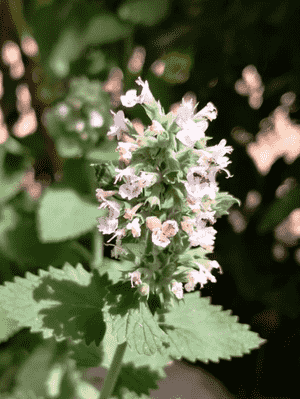
Catnip is most effectively multiplied in the springtime through seed dispersal. This particular herb exhibits straightforward propagation, with rapid germination. The appearance of young plants and vigorous development signifies successful propagation. Sufficient hydration is essential for the seeds to sprout.
When Is the Optimal Period to Propagate Catnip?
Propagation Method
Seeding
Propagation Period
Spring
What Tools Are Utilized for Catnip Propagation?
Seed trays
Seed trays are perfect for initiating catnip seeds indoors, offering a regulated environment. These trays assist in organizing seeds and ensuring ample space for root development prior to transplanting.
Soilless potting mix
A soilless potting mix offers a sterile, well-draining, and nutrient-rich medium for catnip seeds, minimizing the risk of soilborne illnesses and fostering robust root growth.
Misting bottle
A misting bottle enables gentle watering that will not disturb tiny catnip seeds or seedlings. It maintains optimal humidity levels around the plants for germination and growth.
Heat mat
A heat mat boosts germination rates by sustaining a steady and warm soil temperature, which is advantageous for catnip seed propagation.
Grow lights
Grow lights supply the essential light spectrum for catnip seedlings, particularly when natural sunlight is insufficient. They contribute to stronger stem and leaf development.
Plastic dome or cover
Covering seed trays with a plastic dome helps retain moisture and warmth, creating a greenhouse effect that aids in the germination of catnip seeds.
Pruners or scissors
Pruners or scissors are employed for trimming excess growth and shaping catnip plants once they have matured, which promotes bushier growth and can assist during the transplanting process.
How to Propagate Catnip?
Propagation Method
Seeding
Difficulty Level
Simple
How to Care for Your Newly Propagated Catnip?
How to Care for Your Newly Propagated Catnip?
Post-propagation, catnip requires minimal attention. Position the plant in a sunny to partly shaded garden spot with well-draining soil, as it prefers slightly arid conditions. Water catnip when the soil feels dry to the touch, avoiding excessive watering. Fertilization is generally unnecessary, but a balanced, slow-release fertilizer can be applied in spring if desired. Regular harvesting of leaves will encourage bushier growth, and dividing plants every few years can revitalize them and manage spread.
Common Errors to Avoid When Propagating Catnip
Overwatering
Excessive watering can lead to root rot, which is detrimental to catnip's health. It prefers well-drained soil and can be susceptible to fungal diseases if kept too moist.
Deep planting
Planting catnip cuttings or seeds too deeply can impede their ability to sprout and establish a strong root system, as catnip requires light for germination and oxygen for root development.
Neglecting to pinch
Failing to pinch back catnip's growing tips can result in leggy plants with reduced foliage density. Pinching encourages bushier growth and more leaves, which is desirable for catnip's use.
Inadequate light
Providing insufficient light can impact the vigor of catnip, as it thrives in full sun to partial shade. Insufficient light leads to weak growth and reduced essential oil production.
Overcrowding
Sowing seeds too densely or planting cuttings too close together can cause overcrowding, which inhibits air circulation and can lead to disease and poor growth quality.
Tips For Propagating Catnip
Soil preparation
Utilizing well-draining soil or a sandy potting mix helps prevent waterlogged conditions that are harmful to catnip's roots, promoting healthier growth and easier transplantation.
Surface sowing
To propagate catnip from seed, scatter the seeds on the soil surface and lightly press them in, as they need light to germinate effectively and should not be covered with soil.
Appropriate hydration
Maintain consistent moisture without overwatering when propagating catnip from cuttings or seeds to support healthy root development while preventing root rot.
Regular pinching
Regularly pinch back the tips of catnip to encourage fuller, bushier plants, thus increasing the amount of harvestable foliage and maintaining a compact growth habit.
Adequate spacing
When sowing seeds or planting cuttings, ensure adequate space between each to allow for ample air circulation, sunlight exposure, and growth expansion, thereby reducing the risk of disease.



