How to Propagate Common swamp pitcher-plant?
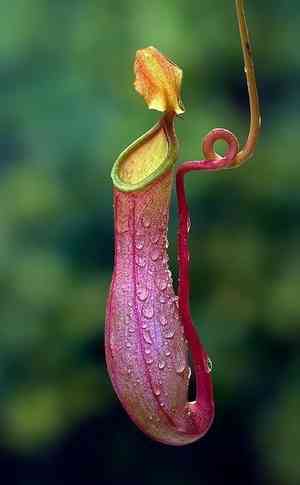
The typical swamp pitcher-plant can be reproduced via stem sections, preferably during the warmer periods of spring and summer. This procedure may present some challenges, but robust root formation and fresh shoots signify a successful outcome. Maintaining steady moisture levels is essential for effective propagation.
Optimal Time for Propagating common swamp pitcher-plant
Propagation Method
Cutting
Propagation Period
Spring, Summer
Tools for common swamp pitcher-plant Propagation
Sharp Pruning Shears
These are vital for taking common swamp pitcher-plant cuttings, ensuring a clean cut for faster healing and reduced disease risk. Shears should be disinfected prior to use to prevent pathogen spread.
Rooting Hormone
Applying rooting hormone to the cut end of a common swamp pitcher-plant cutting can greatly enhance successful root development. This hormone stimulates root growth and aids the propagation process.
Sterile Potting Mix
A well-draining, sterile potting mix prevents fungal issues and supports healthy root growth in common swamp pitcher-plant cuttings. It should retain moisture without becoming waterlogged.
Pots with Drainage Holes
Proper drainage is essential for common swamp pitcher-plant propagation to prevent waterlogging, which can cause root rot. These pots help maintain ideal moisture levels.
Plastic Bags or Propagation Domes
Creating a humid environment is crucial for common swamp pitcher-plant cuttings to thrive. Covering pots with plastic bags or using domes maintains the high humidity levels cuttings need.
Hygiene Supplies (Alcohol or Bleach Solution)
Keeping propagation tools clean is critical to prevent disease transmission. Disinfect tools before and after use on common swamp pitcher-plant to maintain a sterile environment.
How to Propagate common swamp pitcher-plant
Propagation Method
Cutting
Difficulty Level
Easy
Caring for Your Newly Propagated common swamp pitcher-plant
Caring for Your Newly Propagated common swamp pitcher-plant
Once rooted and showing new growth, continue to care for common swamp pitcher-plant by providing bright, indirect light and high humidity. Water regularly to keep soil consistently moist but not soggy. Fertilize occasionally with a diluted, balanced fertilizer. Monitor pitchers, keeping them at least one-third full with rainwater or distilled water to maintain health and allow common swamp pitcher-plant to capture prey, vital for nutrient uptake.
Common Mistakes to Avoid When Propagating common swamp pitcher-plant
Overwatering
Excessive watering can lead to root rot and fungal infections, which are harmful to common swamp pitcher-plant's health. While common swamp pitcher-plant enjoys high humidity, it dislikes waterlogged conditions, which suffocate roots and hinder growth.
Using inappropriate soil mix
common swamp pitcher-plant requires a well-draining, acidic soil medium. Using regular potting soil or a mix that retains too much water will not provide the necessary conditions for common swamp pitcher-plant to thrive, leading to poor root health and potential plant death.
Neglecting humidity requirements
common swamp pitcher-plant naturally thrives in high humidity. Ignoring its need for humidity can stress the plant, causing pitchers to dry out, thereby reducing its ability to feed and grow.
Incorrect cutting size
When propagating common swamp pitcher-plant via stem cuttings, using a cutting that is too small or lacks sufficient leaf nodes can result in a lower success rate. Cuttings need a balance of leaf nodes and length to sustain them during root development.
Over-exposing to direct sunlight
While common swamp pitcher-plant needs bright, indirect light, direct sunlight can scorch its leaves and pitchers, stressing the plant and impairing its growth and pitcher production.
Tips For Propagating common swamp pitcher-plant
Use of sphagnum moss and perlite
Creating a propagation medium with sphagnum moss and perlite ensures good drainage and maintains the necessary humidity around common swamp pitcher-plant's roots, promoting healthy root development.
Maintaining appropriate temperature
Ensuring consistent temperatures within common swamp pitcher-plant's preferred range will facilitate rooting and growth. Temperature fluctuations can stress the plant and slow down its propagation process.
Targeting the right stem section
When taking cuttings, it's important to select a healthy stem with at least 2-3 nodes and a growing tip. This provides the cutting with the best chance of rooting and developing into a new plant.
Ensuring high humidity
To replicate common swamp pitcher-plant's natural habitat, maintaining high humidity is crucial. This can be achieved by placing the propagation setup in a humidifier-equipped space or by using a propagation dome to trap moisture.
Acclimatization
Once common swamp pitcher-plant develops new roots and leaves, gradually acclimate it to less humid conditions to prepare it for a normal growing environment, minimizing transplant shock and adaptation issues.



