How to Propagate Cape jewels?
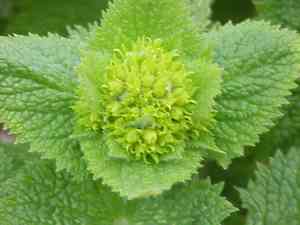
Cape jewels are most effectively multiplied by planting seeds in the spring, presenting a medium level of propagation challenge. Indicators of successful propagation encompass robust young plants and vivid leaves. Guarantee a porous and well-aerated potting medium for the most favorable outcomes.
Optimal Time for Cape Jewels Propagation
Propagation Method
Seeding
Propagation Period
Spring
Essential Tools for Cape Jewels Propagation
Seed trays or flats
These offer an organized area for uniform seed sowing and managing numerous seedlings in a compact space. The shallow containers facilitate easy monitoring of soil moisture, crucial for cape jewels seed germination.
Peat pots or biodegradable containers
Designed to minimize transplant shock, these containers can be directly planted into the soil, allowing cape jewels's delicate roots to develop undisturbed.
Sphagnum moss or other seed-starting mix
This medium provides a sterile, low-nutrient environment ideal for the germination of cape jewels seeds. It retains moisture effectively, yet drains excess water to prevent damping off.
Mist spray bottle
Delivers a fine water mist perfect for keeping cape jewels's soil consistently damp without disturbing the seeds or causing saturation.
Dibber or small pointed stick
Used for creating small, even holes in the soil for the correct sowing depth of cape jewels seeds. Ensures optimal conditions for seed germination and root growth.
Plastic cover or humidity dome
Establishes a microclimate with high humidity, which benefits cape jewels seedlings by maintaining adequate moisture levels around the emerging plants.
Grow lights or fluorescent lights
Provides a steady light source necessary for the healthy development of cape jewels seedlings, especially when natural sunlight is insufficient.
Heat mat
Optimizes the root zone temperature to improve the germination rates of cape jewels seeds, particularly important in cooler environments or seasons.
How to Propagate Cape Jewels?
Propagation Type
Seeding
Difficulty Level
Easy
Caring for Your Newly Propagated Cape Jewels
Caring for Your Newly Propagated Cape Jewels?
Once cape jewels seedlings have acclimated and been moved to their permanent growing spot, ensure they are in a sunny location with well-draining soil. Keep the soil consistently moist but not waterlogged. Removing spent flowers can encourage more blooms. Fertilize sparingly with a balanced, slow-release fertilizer as cape jewels is not a heavy feeder. Protect from strong winds and provide support for taller varieties. In colder climates, treat cape jewels as an annual or consider bringing them indoors for winter if possible.
Common Mistakes to Avoid When Propagating Cape Jewels
Overwatering
Gardeners frequently overwater cape jewels cuttings, leading to root rot and fungal diseases that hinder root development and can kill young plants.
Deep planting
Planting cape jewels seeds too deeply can prevent germination due to insufficient light and air, both of which are required to initiate growth.
Ignoring humidity
Failure to maintain a high-humidity environment for cape jewels cuttings can result in dehydration and poor root formation.
Excessive handling
Frequent handling or disturbance of cape jewels seeds and cuttings can damage delicate roots and shoots, impeding establishment and growth.
Neglecting sanitation
Using contaminated soil or tools can introduce pathogens to cape jewels. This can lead to disease spread during the vulnerable stages of propagation.
Tips For Propagating Cape Jewels
Surface sowing
Since cape jewels seeds require light to germinate, sowing them on the soil surface and gently pressing them in ensures they receive adequate light.
Consistent moisture
Keeping the soil consistently moist but not saturated supports healthy cape jewels seed germination and cutting root development.
Use rooting hormone
Applying a rooting hormone to cape jewels cuttings enhances root initiation and growth, increasing the likelihood of successful propagation.
Provide bottom heat
Using a heat mat to maintain a warm soil temperature encourages faster germination and rooting for cape jewels seeds and cuttings.
Sterilize tools and media
Clean propagation trays, pots, and tools prevent the spread of disease and pests to cape jewels during the sensitive propagation phase.



