How to Propagate Philippine mussaenda?
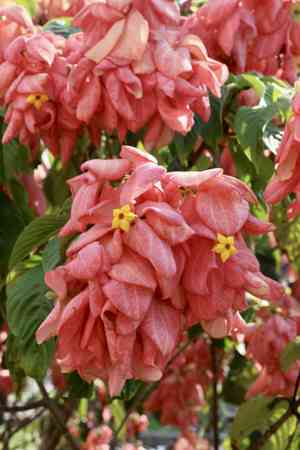
A member of the Rubiaceae family, philippine mussaenda is a highly regarded tropical shrub recognized for its impressive blossoms and bracts. Effective propagation is generally accomplished via cuttings. Cuttings for philippine mussaenda ought to be taken from robust, non-blooming stems. A rooting stimulant can improve successful establishment, and a potting mixture that drains efficiently provides an optimal setting. To preserve humidity and encourage root development during the early stage, enclosing the container in a plastic bag could be advantageous, while guaranteeing sufficient indirect illumination and warmth.
Optimal Period for Propagating Philippine Mussaenda
Propagation Method
Cutting
Propagation Season
Autumn,Winter
Tools Required for Philippine Mussaenda Propagation
Sharp pruning shears
These are crucial for making clean, precise cuts from philippine mussaenda to minimize harm and encourage robust rooting. The shears must be disinfected prior to each cut to prevent disease spread and ensure the best chances of successful rooting.
Rooting hormone
This substance is utilized to enhance the rooting process of philippine mussaenda cuttings. The hormone stimulates root development, helping cuttings establish more quickly and effectively. A rooting hormone is particularly beneficial given philippine mussaenda's tropical nature, as it can help overcome any rooting challenges posed by less than ideal humidity and temperature conditions.
Sterile potting mix
A sterile, well-draining potting medium offers the perfect environment for philippine mussaenda cuttings to root. It prevents disease and supports root growth by maintaining the proper balance of moisture and air.
Propagation trays
These trays are employed to hold philippine mussaenda cuttings in a stable setting, ensuring each cutting has ample space and access to light. These trays also facilitate maintaining consistent moisture levels, which are vital during the rooting phase.
Plastic covers or humidity domes
These covers are placed over propagation trays to maintain high humidity around philippine mussaenda cuttings, mimicking the humid conditions of their natural habitat. This is particularly important for preventing the cuttings from drying out before they can establish roots.
Procedure for Propagating Philippine Mussaenda
Propagation Type
Moderately Difficult
Post-Propagation Care for Your New Philippine Mussaenda
Post-Propagation Care for Your New Philippine Mussaenda
Once successfully propagated, gradually acclimate the new philippine mussaenda plants to less humid conditions by removing the plastic cover for increasing durations daily. Transplant them into larger containers with a fertile, well-draining potting mix. Position the plants in a spot with bright, indirect light and shield them from direct midday sun. Water when the top inch of soil feels dry and apply a balanced, water-soluble fertilizer monthly during the growing season. Monitor for pests and diseases, and perform regular pruning to encourage bushy growth and more abundant flowering.
Common Errors to Avoid When Propagating Philippine Mussaenda
Overwatering cuttings
This can lead to root rot and fungal diseases, as philippine mussaenda's cuttings prefer to be kept in moist but well-draining soil.
Using non-sterile tools
Employing unclean tools can introduce pathogens, risking disease that can hinder philippine mussaenda's successful propagation.
Ignoring light requirements
Insufficient light can result in weak growth and poor root development in philippine mussaenda, while too much direct sunlight can damage young cuttings.
Overfertilizing young plants
Excessive fertilizer can burn the developing roots of philippine mussaenda, negatively impacting the plant's overall health and growth.
Neglecting humidity levels
Philippine mussaenda cuttings require high humidity to thrive. Too low humidity can result in desiccation and poor root development.
Advice for Propagating Philippine Mussaenda
Use clean, sharp tools
Sanitize tools before cutting to prevent infection and ensure clean cuts for healthy philippine mussaenda propagation.
Provide adequate light
Offer bright, indirect light for philippine mussaenda cuttings to promote strong growth without the risk of scorch or dehydration.
Maintain consistent moisture
Keep the soil moist but not waterlogged to encourage root development without risking rot in philippine mussaenda.
Propagate in warm conditions
Ensure a warm environment for philippine mussaenda for optimal rooting conditions without accelerating evaporation excessively.
Use rooting hormone
Applying a rooting hormone to philippine mussaenda cuttings can increase the success rate by stimulating root growth.
Employ misting
Lightly mist philippine mussaenda cuttings to maintain high humidity levels, simulating a tropical environment conducive to growth.
Be patient
Philippine mussaenda can take several weeks to root. Avoid disturbing the cuttings frequently to allow roots to establish.



