How to Propagate Deergrass?
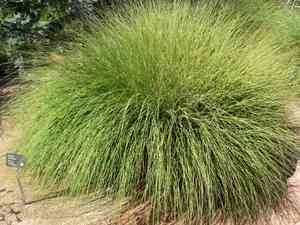
Deergrass is most effectively multiplied by separating its clumps during the prime periods of Spring and Autumn. This technique presents a moderate level of difficulty, and the emergence of new shoots signifies successful propagation. Ensure that the separated plants receive ample hydration.
Optimal Period for Deergrass Propagation
Propagation Method
Splitting
Propagation Period
Spring, Fall
Equipment for Deergrass Propagation
Sharp, Sterilized Pruning Shears or Knives
These are vital for making clean cuts through the dense root structure of deergrass. Precise cuts aid in faster and better healing of the severed parts, lowering the risk of infection and plant stress.
Spade or Garden Fork
A sturdy spade or garden fork is employed to gently lift the root ball from the soil without causing undue harm. This is crucial for deergrass, which can possess a strong root system requiring some effort to divide.
Hori-Hori Garden Knife
This specialized Japanese gardening tool is especially useful for deergrass, functioning as both a knife and a trowel. Its sharp, serrated edge allows for precise divisions within the root ball, and it can also be used for replanting the divisions.
Watering Can with a Gentle Shower Head
Gentle watering is essential post-propagation for deergrass to minimize transplant shock. A watering can with a soft shower head ensures roots settle without disruption from a strong water flow.
Rooting Hormone (Optional)
For certain cultivated deergrass varieties, a rooting hormone might assist in the establishment of divisions by stimulating root development. This is typically applied to cut surfaces before planting.
Soil Thermometer
Ensuring the soil is at an appropriate temperature is important for the successful establishment of deergrass divisions. A soil thermometer helps monitor the soil's temperature to confirm it's within a range conducive to root growth.
Mycorrhizal Fungi Inoculant
Incorporating mycorrhizal fungi when planting deergrass divisions can enhance root development and improve nutrient absorption, thereby boosting the plant's overall health and vigor.
How to Propagate Deergrass?
Propagation Method
Division
Difficulty Level
Simple
Caring for Your Newly Propagated Deergrass
Caring for Your Newly Propagated Deergrass
After deergrass is planted, consistent watering is vital, especially during its initial growth season, to ensure proper establishment. As deergrass is a native grass adapted to various conditions, it needs minimal care once established. In subsequent years, trim back the foliage in late winter to early spring to encourage new growth. Fertilization is usually unnecessary, but an annual compost application can enrich the soil. Deergrass is drought-tolerant once established, so adjust watering frequency accordingly.
Common Errors to Avoid When Propagating Deergrass
Excessive Watering
Overwatering can lead to root rot and fungal problems, which are detrimental to deergrass's health. As a native of arid environments, deergrass prefers drier conditions and is not accustomed to excessive moisture.
Too much fertilizer
Applying excessive fertilizer can scorch the roots and foliage of deergrass, hindering its growth and development. Deergrass thrives in lean, poor soils and does not require high nutrient input.
Deep planting
Planting divisions or seeds too deeply can prevent deergrass from sprouting effectively. Deergrass requires proper placement at the correct soil depth to ensure successful germination and root establishment.
Ignoring clump divisions health
Using unhealthy or weak clump divisions for propagation can result in poor establishment and growth. It's important to select robust and vigorous sections from deergrass to increase the chances of successful propagation.
Neglecting spacing
Crowding plants can impede airflow, reduce sunlight exposure, and create competition for resources, which is detrimental to deergrass's development. Sufficient spacing is crucial for deergrass to flourish.
Tips For Propagating Deergrass
Well-draining soil
Utilize well-draining soil to mimic deergrass's natural habitat. This prevents roots from sitting in water, which can cause root rot and other water-related diseases.
Minimal fertilization
Provide minimal fertilization, as deergrass is adapted to thrive in nutrient-poor soils. This replicates the conditions deergrass would encounter in its natural habitat and promotes healthier growth.
Optimal soil depth
Sow seeds or plant divisions at a shallow depth to facilitate easy sprouting and root expansion. Correct soil depth encourages deergrass's vigor and increases propagation success rates.
Healthy clump selection
Choose the healthiest and most vigorous clumps for division to maximize propagation success. Vigorous clumps provide a strong start for deergrass, leading to better establishment.
Adequate spacing
Ensure plants are sufficiently spaced to provide optimal air circulation and sunlight exposure. Proper spacing allows deergrass to reach its full growth potential and minimizes the risk of disease.



