How to Propagate Lindheimer's muhly?
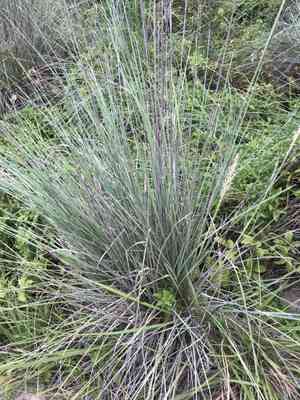
Lindheimer's muhly reproduces most effectively via separation, preferably in the Spring or Autumn periods. This method of propagation is quite straightforward, and indicators of successful growth encompass fresh sprouts and the development of roots. Choose robust parent plants to achieve the best outcomes.
Optimal Period for Lindheimer's Muhly Propagation
Propagation Method
Splitting
Propagation Period
Spring, Fall
Tools Required for Lindheimer's Muhly Propagation
Garden fork or spade
A robust garden fork or spade is essential for dividing and relocating lindheimer's muhly. These implements aid in separating the root mass with minimal harm, enabling efficient division. The spade can cut through the soil, while the fork is useful for gently teasing apart the roots, which is important for maintaining the plant's health and vitality.
Sharp knife or secateurs
A keen knife or a pair of secateurs will ensure precise cuts when separating the root ball of lindheimer's muhly. Clean cuts are vital to lessen the chance of infection and promote quick healing and regrowth.
Watering can with fine rose
After propagating lindheimer's muhly by division, it's important to water the plants gently. A watering can with a fine rose attachment provides a soft shower that won't disturb the newly planted divisions. Proper watering aids in the recovery of the plant and encourages root development.
Rooting hormone
While not always necessary for grasses like lindheimer's muhly, a rooting hormone can stimulate root development in the divisions, especially if the plant shows signs of stress or if divisions are smaller. It encourages root formation and increases the likelihood of successful propagation.
Planting containers
If propagating lindheimer's muhly divisions in containers before transplanting into the garden, suitable planting containers with adequate drainage holes are required. These ensure that the young plants have enough space to develop roots and the drainage holes prevent waterlogging, which could cause root rot.
Soil mix
A premium soil blend is crucial for the successful establishment of lindheimer's muhly divisions. The mix should drain well, yet retain sufficient moisture to support growth. It should also be moderately fertile to supply the necessary nutrients for the new plants.
Gloves
Wearing garden gloves protects the hands when handling lindheimer's muhly, and is also a hygiene practice to prevent the spread of pathogens between plants during the propagation process.
How to Propagate Lindheimer's Muhly?
Propagation Method
Splitting
Difficulty Level
Simple
Caring for Your Newly Propagated Lindheimer's Muhly
Caring for Your Newly Propagated Lindheimer's Muhly
Post-propagation, lindheimer's muhly needs consistent watering, especially as new divisions establish. It should be placed in full sun to partial shade and in well-draining soil to prevent waterlogging, which can cause root rot. Lindheimer's muhly is drought-tolerant once established and only needs occasional watering. It benefits from the application of a balanced, slow-release fertilizer at the beginning of its growing season. Regular removal of spent foliage and any weeds that appear around lindheimer's muhly promotes healthy growth and reduces the risk of pest infestations and disease.
Common Errors to Avoid When Propagating Lindheimer's Muhly
Overwatering
Excessive moisture around lindheimer's muhly's roots can cause rot, as this plant prefers drier conditions. This mistake can lead to fungal diseases and poor root development, hindering the plant's overall growth and propagation potential.
Poor soil drainage
Using a propagation medium that does not drain well can trap water around lindheimer's muhly's roots. This leads to similar issues as overwatering: root rot and fungal problems that can kill young plants before they get established.
Deep planting
Burying lindheimer's muhly's seeds or cuttings too deeply in the soil can prevent proper germination and growth. Lindheimer's muhly requires a certain level of light and air exposure to stimulate root and shoot growth.
Neglecting division timeliness
Waiting too long to divide lindheimer's muhly can result in overcrowded conditions that stress the plants, leading to reduced vigor and a lower rate of successful propagation.
Overfertilizing
Applying too much fertilizer can burn the delicate roots of lindheimer's muhly, especially during the propagation phase. This can inhibit root development and lead to poor plant health.
Advice for Propagating Lindheimer's Muhly
Soil preparation
Ensure the soil used for lindheimer's muhly's propagation offers excellent drainage, and consider adding sand or perlite to improve the soil texture. Well-prepared soil supports healthy root development and helps prevent moisture-related issues.
Appropriate depth
Plant lindheimer's muhly's seeds or position its cuttings at the correct depth. Seeds typically need a light covering of soil, while cuttings require planting at a depth that supports them standing upright without being too deep to impede growth.
Regular division
Regularly dividing mature lindheimer's muhly clumps every few years maintains plant health and vigor and provides new plants for propagation. This also prevents overcrowding and allows each division to establish robust root systems.
Moderate watering
Water lindheimer's muhly's cuttings or seeds with care, providing just enough moisture to support growth without causing waterlogged conditions. Consistently moist but not soggy is the goal for optimal root development.
Balanced fertilization
Use a balanced, light fertilizer solution for lindheimer's muhly only after the cuttings have rooted or the seedlings have established. This supports healthy growth without overwhelming the plants with excess nutrients.



