How to Propagate Woodland monolopia?
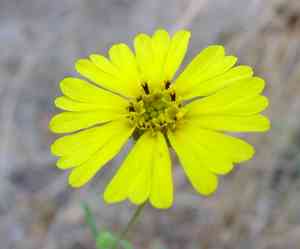
Monolopia, a woodland species, is an annual herbaceous plant indigenous to the prairies and forests of California. For effective reproduction, employ seeding; disperse seeds sparsely and lightly cover them with substrate. Provide ample sunlight and moderate moisture until sprouting occurs. Integrating proven methods with established gardening procedures maximizes the development of this fragile yellow-blooming flora, enriching any naturalistic garden environment.
When Is the Best Time to Propagate Woodland Monolopia?
Propagation Type
Sowing
Propagation Season
Spring
What Tools Are Used for Woodland Monolopia Propagation?
Seed Trays
Seed trays offer a controlled setting for planting woodland monolopia seeds. Their use allows for better spacing, easier germination monitoring, and healthier seedling growth. They also help minimize transplant shock when moving seedlings to their permanent spot.
Quality Seed Starting Mix
A premium seed starting mix ensures ideal soil conditions for woodland monolopia seeds. It supplies essential nutrients, maintains proper moisture levels, and encourages strong root development for young plants.
Heating Mat
A heating mat is crucial for maintaining a steady soil temperature, especially beneficial for woodland monolopia seeds that need warmth to sprout. It speeds up germination and boosts seedling vigor.
Humidity Dome
Humidity domes keep woodland monolopia seeds and emerging seedlings in a moist environment, which is vital for successful germination. They help maintain moisture, reducing the need for frequent watering and preventing seeds from drying out.
Fine Mist Spray Bottle
Using a fine mist spray bottle is essential for gently watering delicate woodland monolopia seeds and seedlings. It prevents disturbance or displacement of seeds, ensures even moisture distribution, and helps maintain optimal humidity.
Plant Labels
Plant labels are vital for tracking the progress of woodland monolopia seeds. Labeling seed trays with the plant's name and sowing date helps monitor germination timelines and plan future transplanting.
Sterilized Tools
Sterilized tools, such as small trowels or dibbers, are necessary to prevent pathogen introduction when handling woodland monolopia seeds and seedlings. Sterilizing tools helps maintain plant health and prevent diseases.
LED Grow Lights
LED grow lights provide sufficient illumination for woodland monolopia seedlings, particularly in areas with limited natural sunlight. They support photosynthesis, promote robust growth, and ensure seedlings don't become leggy or weak.
How to Propagate Woodland Monolopia?
Propagation Type
Easy
How to Care for Your Newly Propagated Woodland Monolopia?
How to Care for Your Newly Propagated Woodland Monolopia?
After transplanting, woodland monolopia needs consistent watering during dry spells, but avoid overwatering as they prefer well-drained soil. Provide full sun exposure for optimal growth. Mulch around plants to retain soil moisture and suppress weeds. Regularly check for pests and diseases, removing affected leaves to prevent spread. Fertilize lightly with a balanced, slow-release fertilizer to support growth and flowering.
Common Mistakes to Avoid When Propagating Woodland Monolopia
Overwatering
Excessive moisture can cause root rot in woodland monolopia, hindering proper growth and potentially killing the plant.
Poor Soil Drainage
Using soil that holds too much moisture can suffocate roots, leading to poor health and increased disease susceptibility.
Insufficient Light
Growing woodland monolopia in inadequate light conditions can result in leggy growth and weak stems, preventing the plant from thriving.
Inaccurate Seed Depth
Planting seeds too deep can prevent germination, while planting them too shallow can lead to poor root development.
Neglecting Temperature Needs
Exposing woodland monolopia to temperatures outside its ideal range can impede germination and growth, stressing the plant and reducing its resilience.
Tips For Propagating Woodland Monolopia
Moderate Watering
Water woodland monolopia moderately, keeping the soil moist but not waterlogged to prevent root rot.
Well-Draining Soil
Use soil that drains effectively to ensure excess water can escape, avoiding waterlogged conditions that can harm roots.
Adequate Sunlight
Provide woodland monolopia with ample sunlight to promote healthy development and vigorous growth. Aim for a location with plenty of natural light.
Proper Seed Planting
Plant seeds at the correct depth, generally aiming for shallow planting to encourage successful germination and root establishment.
Temperature Management
Maintain consistent and appropriate temperature conditions to foster an environment conducive to germination and growth.



